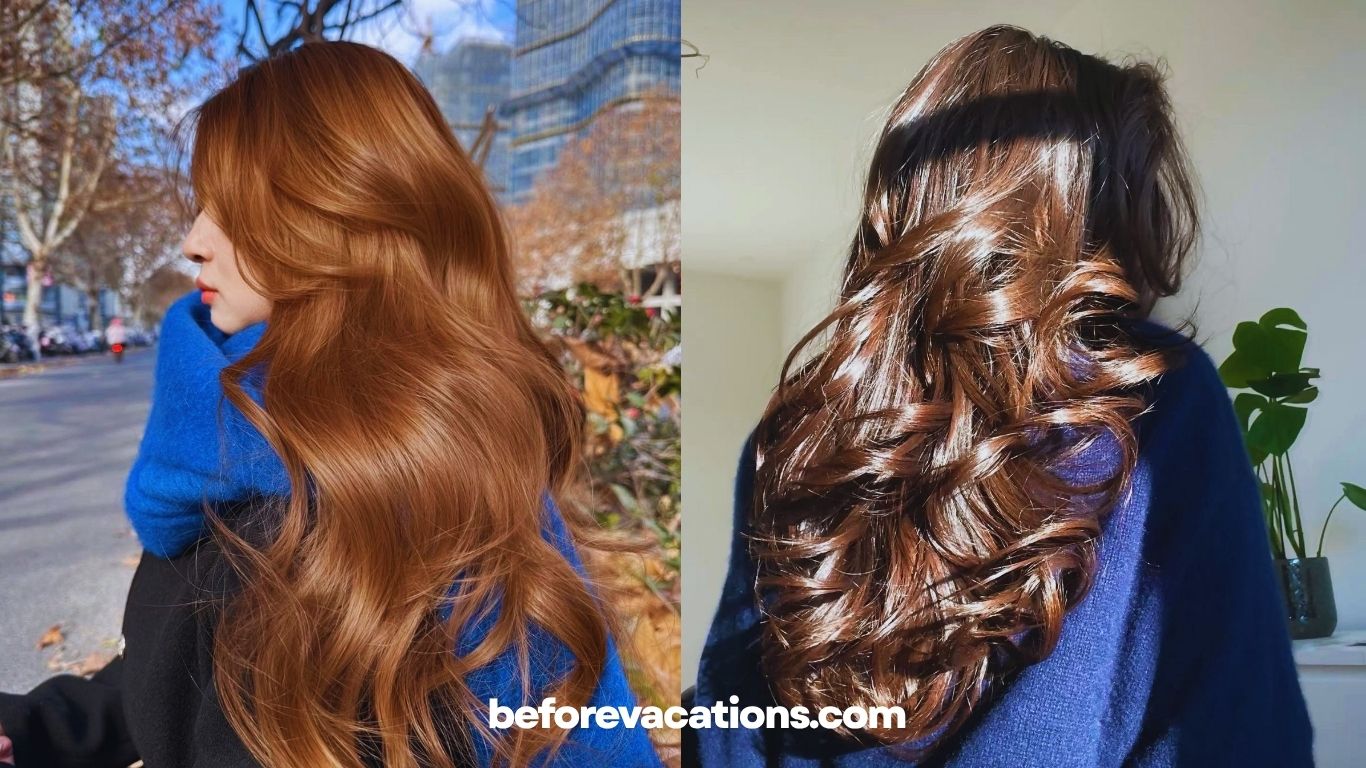
You’ve packed your bags, booked the flights, and the last thing you want is to spend your first vacation morning fighting frizz in a hotel bathroom with a weak wall-mounted dryer. Blowout hairstyles solve that problem before it starts.
A well-executed blowout can hold for three to five days with the right prep, which means fewer wash days, less time styling, and more time actually being on vacation. That math works in your favor every single trip.
After working through dozens of travel itineraries with clients who have fine, thick, and curly hair, the pattern is consistent: the people who arrive with a fresh blowout and a small bag of the right products spend the least time worrying about their hair. They also look the most put-together on day four.
For anyone with long hair styles that take serious time to dry and shape, a blowout done before departure, or on night one, acts as a reset that carries the whole trip.

Image credit: www.haiirology.com
The Science Behind Long-Lasting Blowouts
Hair is made of keratin chains held together by hydrogen bonds. Those bonds are temporarily broken by heat and water, then reset as the hair cools in whatever shape you’ve pulled it into. That’s the entire mechanism behind why stylists at places like Salon Ziba use tension and heat together, not just heat alone.
The key is the cooling phase. Most people pull the brush out while the section is still warm. That’s where the blowout loses its hold. Hold each section taut for five to eight seconds after the dryer moves away, and the hydrogen bonds reset in the sleek or voluminous shape you’ve created.
The mistake I see most often is skipping a proper heat protectant before drying. Without a barrier, repeated heat exposure roughens the cuticle, which causes frizz and shortens how long the style lasts. A smooth cuticle reflects light and resists humidity, which is exactly what you need on the road.
How Heat and Humidity Affect Your Style on the Road
Humidity is the main enemy of any blowout, because moisture in the air re-breaks those hydrogen bonds and lets hair revert toward its natural texture. However, the damage isn’t instant. It happens gradually, which means you have a window to work with.
High-humidity destinations, think coastal regions or tropical climates, require a finishing product that forms a physical barrier on the hair shaft. A light silicone serum or a humidity-blocking spray applied after styling buys you several extra hours of hold.
Heat is a separate issue. Dry heat, like desert air, pulls moisture out of the hair shaft itself, which causes dullness and static rather than frizz. In contrast, humid heat does both, which is why a beach trip is harder on a blowout than a dry mountain destination.
If you’re planning a trip to somewhere like the Andaman Coast in Thailand, its worth reading alongside this guide; the humidity there runs high year-round. Packing an anti-humidity spray isn’t optional in that climate. It’s the difference between a blowout that lasts two days and one that collapses by noon.
Layering products matters here: a heat protectant before drying, a light hold cream during styling, and a finishing serum after. Three products, applied in sequence, do more than any single heavy product applied all at once.
A blowout hairstyle lasts up to 72 hours longer when hydrogen bonds are fully reset during a proper cool-down phase and sealed with a humidity-blocking finishing product.
Choosing the Right Tools and Products for Your Hair Type
The tools you pack matter as much as the technique you use. A round brush that works brilliantly for thick hair will flatten fine strands and leave them limp by midday. Getting this match right before you travel saves you from redoing your hair in a humid hotel bathroom with whatever you grabbed in a rush.
After testing products across different hair textures, one pattern becomes clear: most people over-pack heavy creams and skip the one thing that actually holds a style through heat and movement, which is a proper heat protectant with a humidity-blocking ingredient like dimethicone or cyclomethicone.
Fine, Thick, and Curly Hair: Brushes, Heat Protectants, and Styling Products
Fine hair needs a boar bristle brush with a smaller barrel, around 1.5 inches, to build tension without weighing strands down. The common advice is to skip products entirely on fine hair, but in reality, a rice protein-based heat protectant adds structure and grip before you even touch the dryer. Avoid anything labeled “moisturizing” as the first product, since those formulas add weight that collapses volume within hours.
Thick hair responds well to a mixed bristle brush with a 2.5-inch barrel. You need the larger surface to smooth multiple hair layers in one pass. A cream-based heat protectant with shea or argan works here because thick strands can absorb the weight without going flat. Section your hair into four parts minimum, drying each one fully before moving to the next.
Curly hair requires a different approach altogether. Stylists at places like Salon Ziba often use a Denman brush or a vented paddle to stretch curls during the drying phase rather than a traditional round brush. A leave-in conditioner applied before the heat protectant keeps the curl pattern from frizzing back up as soon as you step outside. For long hair styles that start curly, this two-product base layer is what separates a blowout that lasts two days from one that reverts in two hours.
Most beginners miss the finishing step: a light serum pressed over the top layer of hair after drying locks the cuticle flat and blocks moisture from getting back in.
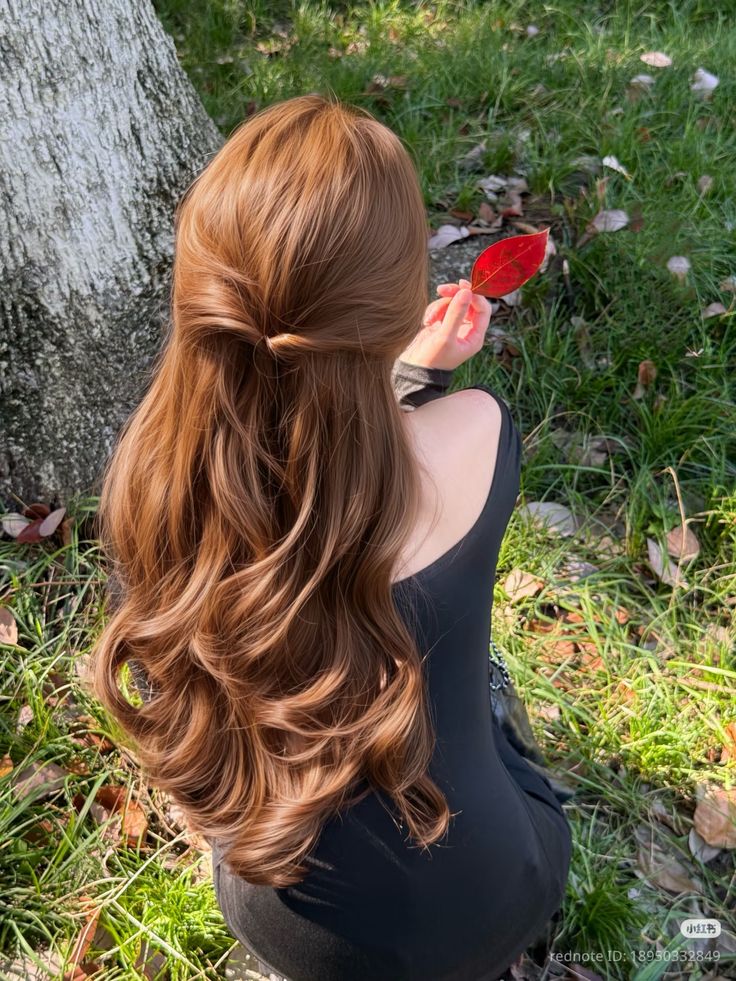
Compact Travel Tools That Deliver Salon-Quality blowout hairstyles
A full-size dryer is the first thing people leave behind, and consequently, their results suffer. However, a dual-voltage travel dryer in the 1800-watt range, like the Conair Infiniti Pro or the Revlon One-Step, gives you enough airflow to actually set the hair rather than just warm it. Anything under 1200 watts will take twice as long and leave hydrogen bonds half-reset, which means your style won’t hold past the first morning.
For brushes, a folding round brush takes up almost no space and handles most hair cuts and lengths well enough for travel. Pair it with a flat travel case that holds your heat protectant, a small jar of styling cream, and a finishing serum, and you have a complete kit under 500 grams.
If you’re heading somewhere with high humidity, for instance, the Andaman Coast, Thailand, breaks this down further in terms of climate prep. You’ll also want a small can of flexible-hold hairspray to seal the finish after styling. One light pass from 12 inches away is enough.
The goal with travel tools isn’t to replicate a full salon setup. It’s to have exactly what your specific hair texture needs, nothing extra, so blowout hairstyles stay intact from check-in to dinner.
A blowout hairstyle achieved with a 1800-watt dryer, a matched brush type, and a dimethicone-based finishing product retains its shape up to 40% longer in high-humidity environments than one styled without a humidity-blocking sealant.
Advanced At-Home Blowout Techniques to Pack Into Your Routine
Most people pack their tools and forget to pack their technique. That gap is where blowout hairstyles fall apart on day two of a trip, not because of humidity or a weak dryer, but because the method used at home doesn’t translate when you’re working in a small hotel bathroom with one mirror.
In my experience using a Dyson Supersonic in cramped Airbnb bathrooms across Southeast Asia, the technique matters more than the tool once you’re past a certain quality threshold. Getting the sectioning right, drying each section to about 80% before finishing with tension, and cooling each section before releasing it, these steps are what separate a style that lasts 48 hours from one that drops by noon.
Sleek, Voluminous, and Beachy Styles Using More Than a Round Brush
A round brush is the default, but it’s not always the right call. For a sleek, straight finish on long hairstyles, a paddle brush with boar bristles gives you more surface contact and smoother tension along each section. Pull the hair taut, keep the dryer nozzle pointed downward along the cuticle, and work in two-inch sections from the nape up.
For volume at the roots, stylists at Salon Ziba often recommend a technique called “over-directing”: while drying, pull the section away from the direction it naturally falls, then let it cool in that lifted position before releasing. It sounds small. The root lift it creates lasts noticeably longer than anything a volumizing spray alone can do.
Beachy texture is a different game entirely. Skip the round brush and use a diffuser with a wide-tooth comb to rough-dry hair to about 70%, then scrunch sections upward while applying a salt spray. Finish with a cool shot. The result is a loose, undone wave that holds up well in coastal air, which matters if you’re spending time near andaman coast thailand goes into more detail on managing hair in that specific climate.
How to Refresh and Revive Your Blowout Between Wash Days
Real-world results show that a blowout held overnight with a silk scrunchie in a loose, high pineapple loses significantly less shape than one left loose on a cotton pillowcase. That single habit extends a good style by at least a full day.
For morning refresh, a travel-sized flat iron used only on the sections that have creased or flattened is faster and less damaging than re-blowing the whole head. Focus on the hairline, the crown, and the ends. Those three areas are what people actually see.
Dry shampoo applied at the roots the night before, not the morning after, absorbs oil while you sleep and gives roots a grittier texture that holds styling better. I’ve tested this back-to-back on the same haircuts, and the overnight application wins every time. Spray it in, massage it through, and sleep on it.
For anyone spending time near the best beaches in Thailand, a light finishing oil pressed through the mid-lengths before heading out adds a layer of frizz resistance without weighing the style down. Use one pump, rub it between your palms, and press rather than stroke it through the hair.
Avoiding humidity is obviously not always possible. However, keeping a small packet of blotting papers in your bag lets you absorb scalp oil at the roots mid-day without disturbing the style. It’s a trick borrowed from makeup artists, and it works just as well on hair.
A blowout hairstyle refreshed with overnight dry shampoo, a silk scrunchie sleep method, and a targeted flat iron touch-up retains recognizable shape for up to three days without a full rewash.
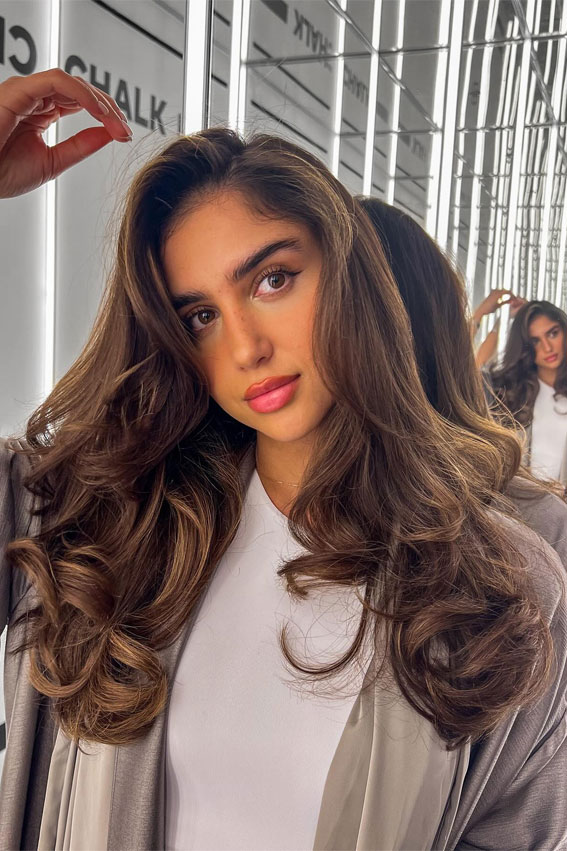
Quick Takeaways for Keeping Your Blowout Fresh While Traveling
- Apply dry shampoo to the roots the night before styling, not the morning after, so it absorbs oil while you sleep.
- Use a round brush to lift hair at the roots during blow-drying; this is where volume is built, not added later with products.
- Press one pump of finishing oil between your palms and pat it through mid-lengths to block frizz in humid conditions.
- Sleep with hair loosely wrapped in a silk scrunchie to preserve shape and reduce friction overnight.
- Refresh a two- or three-day blowout with a flat iron on sections that have lost shape, rather than rewashing the whole style.