California what to do is a big question, because the state packs coast, cities, national parks, wine country, and desert into one place. The best approach is to pick a region and build around it: the coast on Highway 1, the cities of San Francisco, Los Angeles, and San Diego, the national parks of Yosemite and Death Valley, or the wine country of Napa and Sonoma. This guide covers California places to go, from the coast and cities to parks and desert, and how to plan a trip that fits them together.
The coast: Highway 1 and Big Sur
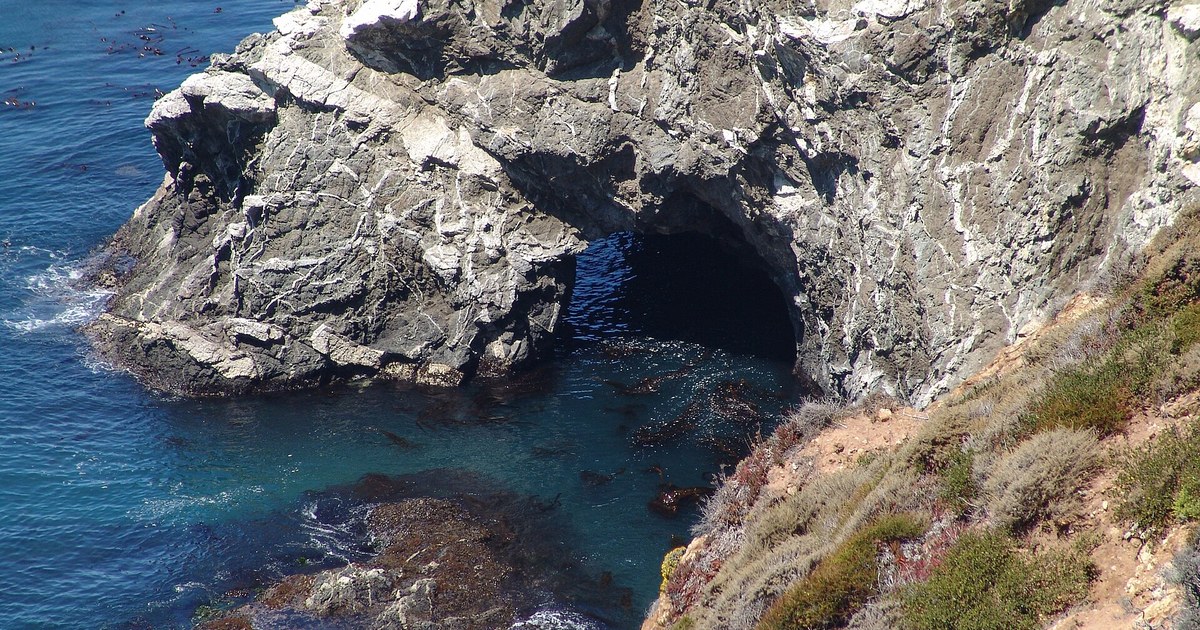
The California coast is the state’s signature trip. Highway 1 runs the length of the coast, and the Big Sur stretch between Carmel and San Simeon is the most famous part, with cliffs, sea stacks, and Bixby Creek Bridge. The drive is slow and winding, so plan a full day for Big Sur alone, with stops at viewpoints, beaches, and Pfeiffer Beach. Further south, the coast runs through Santa Barbara, Malibu, and Los Angeles, and north of San Francisco it runs through Mendocino and the redwood coast.
Beaches are a big part of the California coast. Southern California has wide, sandy beaches in San Diego, Orange County, and Los Angeles, with surfing, boardwalks, and beach towns. The Central Coast has quieter beaches in Morro Bay, Pismo Beach, and Santa Cruz, and the North Coast has wild, foggy shores. For a coastal town stop, see our guide to Morro Bay, a harbor town on the Central Coast with a famous rock and a calm bay.
The cities: San Francisco, Los Angeles, and San Diego
San Francisco is the most walkable of California’s big cities, with cable cars, Chinatown, the Ferry Building, and the Golden Gate Bridge. Los Angeles is the opposite, a sprawling city best explored by car, with Hollywood, beaches, museums, and neighborhoods that each feel like a different town. San Diego is the most relaxed of the three, with Balboa Park, the Zoo, La Jolla Cove, and Coronado. Each city deserves at least two or three days, and they are different enough that a trip can include two of them without repeating the same experience.
Smaller cities are worth a stop too. Sacramento, the state capital, has a historic Old Sacramento waterfront and museums. Santa Barbara has a Spanish colonial downtown and a beachfront. Palm Springs is a desert resort town with mid-century architecture and mountain views. For a San Francisco stay, see our guide to the Omni Hotel at 500 California Street, a historic hotel in the Financial District with the cable car outside.
National parks: Yosemite, Death Valley, and more
California has nine national parks, more than any other state. Yosemite is the most famous, with granite cliffs, waterfalls, and giant sequoias, and it needs at least two days. Death Valley is the hottest and driest national park in the country, with salt flats, sand dunes, and desert canyons, and it is best visited in the cooler months. Joshua Tree has desert rock formations and namesake trees, and it is a short drive from Palm Springs. Redwood National Park protects the tallest trees on earth, and Sequoia and Kings Canyon protect the largest trees by volume.
National parks in California need planning. Yosemite requires reservations for entry at peak times, and lodging inside the parks books up months ahead. Death Valley in summer is dangerously hot, so visit in winter or spring. The parks are spread across the state, so a park trip works best as its own journey rather than a side trip from the coast. Check the National Park Service site for current conditions before you go, since roads and access change with the seasons.
Wine country, desert, and mountains
Napa Valley and Sonoma are California’s wine heartland, with hundreds of tasting rooms, vineyard views, and small towns. Napa is the more polished of the two, with well-known wineries and restaurants, while Sonoma is quieter and more spread out. Both are an easy day trip from San Francisco, and both reward a slow pace with a few tastings rather than a rushed tour. The Sierra Nevada mountains run down the state’s spine, with Lake Tahoe for skiing and summer lakes, and Mammoth Lakes for hot springs and hiking.
The desert is California’s other side. Palm Springs is a resort town in the Coachella Valley, with mid-century homes, golf, and the Palm Springs Aerial Tramway up Mount San Jacinto. Joshua Tree and Death Valley are the desert parks, and the Mojave has ghost towns and wide empty roads. The desert is best in winter and spring, when temperatures are mild, and it is a very different California from the coast and the cities.
How to plan a California trip
The question of California what to do comes down to what kind of trip you want. A first visit usually mixes one city with one natural area, such as San Francisco plus Yosemite, or Los Angeles plus the coast. A longer trip can add a second region, such as San Diego after Los Angeles, or wine country after San Francisco.
Give each region at least two days, and do not try to see the whole state in one week. California is larger than most visitors expect, and the driving distances are long. A focused trip that does two regions well is better than a rushed trip that touches five.
Where to stay in California
Disclosure: this guide contains affiliate links. If you book through them, we may earn a commission at no extra cost to you.
Where to stay depends on the trip. For a coastal drive, stay in a different town each night along Highway 1, from Monterey to Big Sur to Santa Barbara. For a city trip, stay central in San Francisco, Los Angeles, or San Diego, near the sights you want to see. For a national park trip, stay in or near the park, and book early, since park lodging fills up fast. For wine country, stay in Napa or Sonoma town, or in a smaller valley town for a quieter base. Search hotels in California on Booking.com
Getting around and the best time to visit
California is a driving state. A car is the best way to see the coast, the parks, and wine country, and Highway 1 and the inland freeways connect the regions. San Francisco is the exception, where walking, cable cars, and BART cover the city well. Los Angeles needs a car, and San Diego is easier with one. Flights connect the main cities, and the train runs along the coast on the Pacific Surfliner between San Diego, Los Angeles, and San Luis Obispo.
The best time to visit California depends on the region. The coast is mild all year, with fog in summer and clear skies in fall. The national parks are best in spring and fall, when temperatures are mild and crowds are smaller. The desert is best in winter and spring, and it is very hot in summer. Wine country is busiest in harvest season in the fall. For a first trip that mixes coast and cities, fall is often the best choice, with clear weather and fewer visitors than summer.