Canada National Parks are 48 national parks across the country, from the Rockies to the Atlantic, and from the Pacific to the Arctic, and they are a good way to see Canada’s nature. The parks have mountains, lakes, forests, coastlines, and tundra, and they have wildlife, hiking, and camping, and they are managed by Parks Canada. This guide covers Canada National Parks, from the Rockies parks to the Atlantic, the Pacific, and the north, and it includes the best parks for a first trip.
The Rockies parks
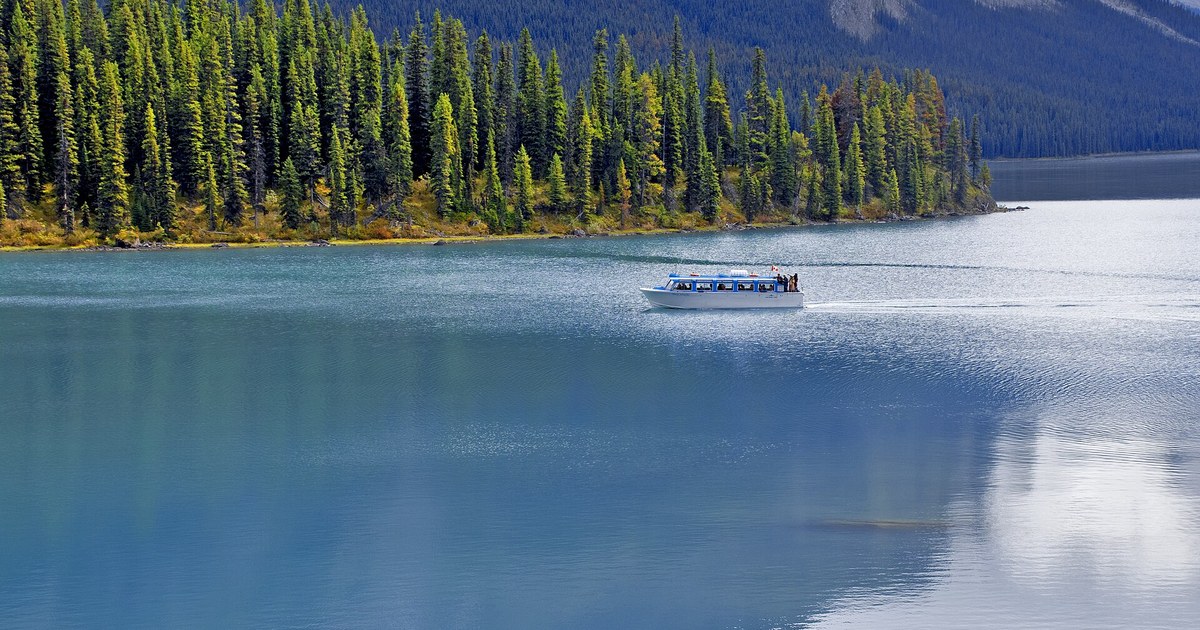
The Rockies parks are the most famous in Canada, with Banff National Park, established in 1885 as Canada’s first national park, and Jasper National Park, the largest in the Rockies. Banff has Lake Louise and Moraine Lake, two turquoise glacial lakes, and the town of Banff, with hot springs and the Banff Gondola. Jasper has Maligne Lake, the Columbia Icefield, and dark skies, and it is quieter than Banff. For the lakes, see our guides to Lake Louise Canada and Moraine Lake Canada. For the Rockies, see our guide to Canada Rocky Mountains.
The Rockies also have Yoho National Park, in British Columbia, with Takakkaw Falls and Emerald Lake, and Kootenay National Park, with hot springs and canyons, and Waterton Lakes National Park, in Alberta, where the prairies meet the mountains. The Rockies parks are a UNESCO World Heritage site, and they are best in summer, from June to September, for hiking and the lakes, and in winter, for skiing. The parks have bears, so carry bear spray, make noise, and hike in groups.
The Atlantic parks
The Atlantic parks are on the east coast, with Gros Morne National Park, in Newfoundland and Labrador, a UNESCO site, with fjords, cliffs, and the Tablelands, a barren landscape. Cape Breton Highlands National Park, in Nova Scotia, has the Cabot Trail, a scenic drive, with mountains, coast, and forests. Fundy National Park, in New Brunswick, has the Bay of Fundy, with the highest tides in the world, and it has hiking trails and waterfalls.
Prince Edward Island National Park has beaches, dunes, and red cliffs, and it is a good place for a beach trip. Forillon National Park, in Quebec, is on the Gaspe Peninsula, with cliffs, the sea, and whales, and it is a good place for a coastal trip. The Atlantic parks are best in summer, from June to September, when the weather is warm and the trails are open, and in fall, when the colours are out.
The Atlantic parks have the Cabot Trail, a scenic drive in Cape Breton Highlands, with mountains, coast, and forests, and it is a good drive for a day. The parks have the Bay of Fundy, with the highest tides in the world, and it is a good place to see the tides, with the water rising and falling by up to 16 metres.
The Pacific and the north
The Pacific parks are on the west coast, with Pacific Rim National Park Reserve, on Vancouver Island, with rainforest, beaches, and surf, and the West Coast Trail, a challenging multi-day hike. The north parks are in the Arctic, with Wood Buffalo National Park, the largest in Canada, with bison and whooping cranes, and Nahanni National Park Reserve, in the Northwest Territories, with Virginia Falls, a waterfall twice the height of Niagara Falls.
Auyuittuq National Park, on Baffin Island, in Nunavut, has Mount Thor, with the tallest vertical drop in the world, and it is a good place for a remote Arctic trip. Quttinirpaaq National Park, on Ellesmere Island, is the northernmost national park, and it is a good place for a true Arctic experience. The north parks are remote, and they are best for experienced travellers, with a guide and a plan.
The Pacific parks have the West Coast Trail, a challenging multi-day hike on Vancouver Island, with rainforest, beaches, and ladders, and it is a good hike for experienced hikers, with a permit and a plan. The north parks are remote, and they are best for experienced travellers, with a guide and a plan, and they are a good place for a true wilderness trip.
Wildlife in the parks
The parks have wildlife, with bears, moose, elk, bighorn sheep, and mountain goats in the Rockies, and whales, seals, and seabirds on the coasts. The parks are a good place for wildlife viewing, with the animals in their natural habitat, and they are a good place for a nature trip. The parks have bears, so carry bear spray, make noise, and hike in groups, and keep a safe distance from wildlife.
The parks have birds, with eagles, owls, and songbirds, and they have fish, with salmon, trout, and Arctic char, and they are a good place for birdwatching and fishing, with a licence. The parks are a good place for a nature trip, and they are a good place for a road trip, with the wildlife, the lakes, and the mountains.
The parks pass and camping
A park pass is needed for the national parks, and the Discovery Pass is an annual pass for Parks Canada sites, covering the national parks, the historic sites, and the marine conservation areas. The pass can be bought at the gate or online, and it is a good value for a trip with several parks. The parks have campgrounds, with sites for tents and RVs, and they have lodges and hostels, and the campgrounds should be booked in advance, since they sell out in summer.
The parks are best in summer, from June to September, when the trails are open and the weather is warm, and in fall, when the colours are out. The parks have wildlife, with bears, moose, elk, and whales, and they are a good place for a nature trip. The parks have hiking, with trails for all levels, and they are a good place for a road trip. For a Canada-wide overview, see our guide to Canada Things to See.
Where to stay near the parks
Disclosure: this guide contains affiliate links. If you book through them, we may earn a commission at no extra cost to you.
The best place to stay near the parks depends on which park you visit, with hotels in Banff and Jasper, lodges in the parks, and cabins in the north. Banff and Jasper have hotels, lodges, and hostels, and they are good bases for the Rockies parks. The Atlantic parks have hotels and inns in the nearby towns, and the Pacific parks have hotels and lodges on Vancouver Island. Book ahead in summer, when the parks are busiest. Search hotels in Banff on Booking.com
Getting there
The parks are reached by plane, with airports in Calgary, Vancouver, Toronto, and Montreal, and by car, with the Trans-Canada Highway running across the country. A car is the best way to explore the parks, since they are large and the sights are spread out, and it is a good way to see the country at your own pace. The parks are large, and the distances are long, so plan your driving, and check the park hours and the conditions before you go.
The parks are large, and the distances are long, so plan your driving, with Banff to Jasper taking about three hours on the Icefields Parkway, and the parks on the Atlantic taking a day to reach from Toronto. A car gives the most freedom, and it is a good way to stop at viewpoints and lakes along the way.