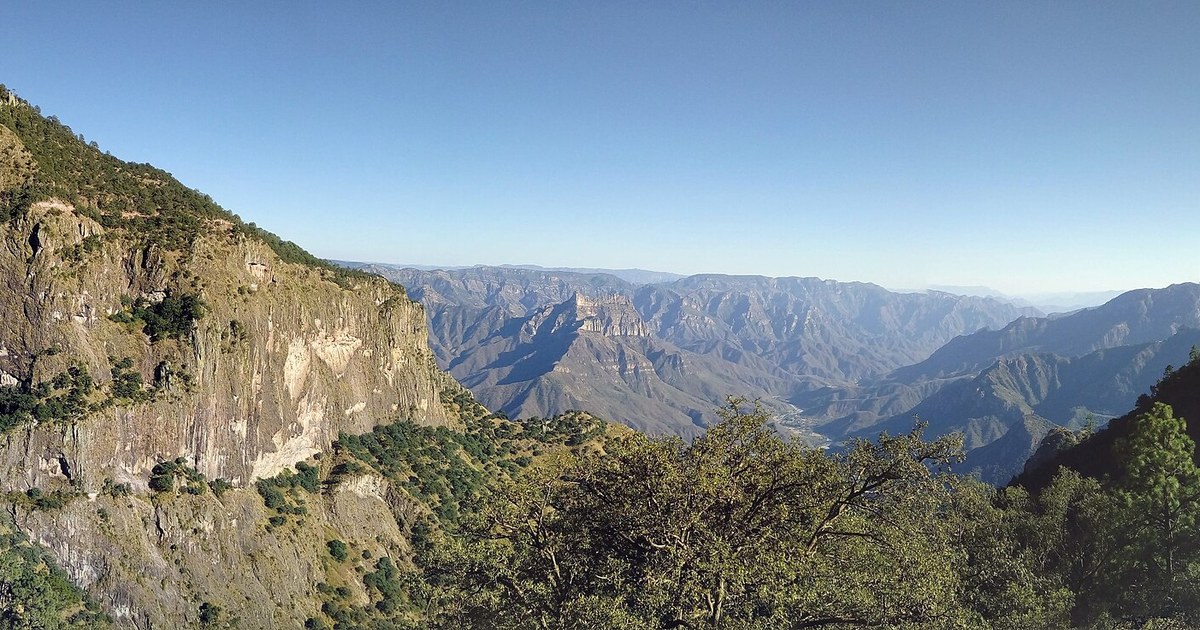
The Copper Canyon train is one of the great rail journeys of the world: a full day crossing Mexico’s Sierra Madre Occidental through 86 tunnels and over 37 bridges, past a canyon system larger and deeper than the Grand Canyon. The train is called El Chepe, short for the Ferrocarril Chihuahua Pacifico, and it is the only practical way to see the Copper Canyon’s interior.
But there are two different trains, direction matters, and the ticket system has quirks. This guide to the Copper Canyon train covers the route, the two trains, how to buy tickets, which direction to ride, where to stop, and the honest cuts.
Fast Facts: The Copper Canyon Train
The train: El Chepe (Ferrocarril Chihuahua Pacifico), running since the line’s completion.
The route: Chihuahua to Los Mochis, crossing the Sierra Madre.
The canyon: Barrancas del Cobre, six major canyons covering 65,000 square kilometers; the deepest point (Urique Canyon) is deeper than the Grand Canyon.
Engineering: 86 tunnels and 37 bridges.
Two services: Chepe Express (tourist) and Chepe Regional (local).
How long: 4 to 7 days with stops; the straight ride is a full day.
The Two Trains: Express vs Regional
This is the first thing to get right. The Chepe Express is the tourist train: it runs between Creel and Los Mochis, departs daily, and offers three classes (Tourist, Executive, First) with reserved seats, large view-optimized windows, and a restaurant car. First Class adds an open-air viewing carriage. This is the train most visitors should book.
The Chepe Regional runs the full Chihuahua to Los Mochis route with 15 stops, three days a week. It has no reserved seats, no restaurant car, and a canteen instead. It is the train local communities actually use to move through the mountains, and it costs a fraction of the Express. Tourists can ride it, but booking is deliberately awkward (in person or by phone/email only), and the schedule is built around local needs, not sightseeing. Take the Regional if you are on a tight budget and flexible; otherwise, take the Express.
The Route: Where the Train Goes
From east to west, the key stations are: Chihuahua (the colonial city where most journeys start), Creel (the canyon base camp and adventure hub), Divisadero (the great canyon viewpoint, with the famous rim hotels), Bahuichivo (gateway to Cerocahui village and the Urique Canyon), El Fuerte (a handsome colonial town), and Los Mochis (the Pacific-side terminus). You can hop on and off, but you book each leg separately, so plan your stops when you buy tickets.
Which Direction: Go Westbound from Chihuahua
Direction is the second thing to get right. Start in Chihuahua and travel west toward Los Mochis. The most dramatic canyon scenery falls between Bahuichivo and Temoris, and westbound morning departures put that stretch in full daylight. Start from Los Mochis instead and you will hit the best views in afternoon shade or darkness. Fly into Chihuahua, spend a night, and board fresh in the morning.
Where to Stop: The 4 to 7 Day Plan
The straight ride is a long day; the journey deserves four to seven days. The classic pattern: two to three nights in Creel (day trips to the Valley of the Mushrooms, Lake Arareko, and the Basaseachi waterfall), one to two nights at Divisadero or Posada Barrancas (the canyon rim, sunrise over the abyss), and optionally one to two nights at Bahuichivo/Cerocahui (the deepest canyon country). Book three stopovers at no extra complexity on the Express; each leg is simply part of your itinerary when you reserve.
How to Buy Tickets
Buy Chepe Express tickets online at chepe.mx, the operator’s own site: you pay by card and tickets arrive by email. You can also book by WhatsApp or phone, or in person, but note that ticket offices exist only in Chihuahua, Creel, and Los Mochis; intermediate stops do not sell tickets. Tickets go on sale up to 364 days ahead, and the operator recommends booking as early as you can, especially for First Class in high season. When you reserve, have ready your class, your full itinerary with every stop, and each passenger’s name exactly as on their ID. Regional tickets are booked separately, by email or at the Chihuahua or Los Mochis counters.
Best Time to Ride
October through mid-November and March through early April are the sweet spots: clear skies, green landscapes, and comfortable temperatures. December and January are bitterly cold at canyon-rim altitude (Creel sits above 2,300 meters), so pack winter layers if you go then. The summer rainy season brings dramatic waterfalls but also the risk of delays. Avoid the dry late-spring months if you want the canyon at its greenest.
Is the Copper Canyon Safe?
The honest version: Chihuahua state carries travel advisories, and the backcountry has real security issues tied to remote areas far from the tourist corridor. The train route itself, the main stops, and the established tourist circuit (Creel, Divisadero, Cerocahui with guides) are traveled by thousands of visitors a year without incident. Stay on the tourist corridor, use established hotels and guides, do not wander remote areas independently, and check your government’s current state-level advice before booking. This is an adventure destination, not a beach resort; treat it with the respect it deserves.
Honest Cuts
Two things to skip. First, the final stretch from El Fuerte to Los Mochis has no canyon views worth the train time; seasoned travelers take the bus for that leg and save a day. Second, do not try to do the whole thing in one straight shot without stops. The ride is the point, but the canyon is the destination, and you see it from the rim stops, not the window alone.
Copper Canyon and the Rest of Mexico
The canyon country is a world apart from beach Mexico, which is exactly why it belongs on a longer trip. Pair it with the colonial cities or the coast for the full contrast. Our Mexico travel guide puts the train in context with the country’s 15 best destinations.
What to Pack
The canyon country punishes the unprepared. Layers are essential: Creel and the rim sit above 2,300 meters, where mornings are cold even when afternoons are warm, and winter nights drop near freezing. Bring sun protection for the open-air viewing car, sturdy shoes for the rim trails and village walks, and a small daypack for hop-off stops. Cash in pesos for small vendors and tips along the route, since card acceptance thins out fast outside the main stations. A power bank helps on long riding days, and binoculars turn the canyon viewpoints from pretty to unforgettable.
Frequently Asked Questions
Where does the Copper Canyon train start and end?
The full route runs from Chihuahua in the east to Los Mochis on the Pacific side. The tourist-focused Chepe Express runs between Creel and Los Mochis.
How long is the Copper Canyon train ride?
The straight through-ride is a full day (roughly 9 hours Creel to Los Mochis on the Express, longer on the Regional). Most travelers take 4 to 7 days with stops.
What is the difference between Chepe Express and Chepe Regional?
The Express is the daily tourist train with reserved seats, three classes, and a restaurant car. The Regional is the slower, cheaper locals’ train with 15 stops, running three days a week.
Which direction should I ride El Chepe?
Westbound from Chihuahua to Los Mochis, so the most dramatic canyon stretch falls in daylight.
How do I buy Copper Canyon train tickets?
Online at chepe.mx, by WhatsApp or phone, or in person at Chihuahua, Creel, or Los Mochis. Book as early as you can; tickets go on sale nearly a year ahead.
Is the Copper Canyon bigger than the Grand Canyon?
By area, yes: the six-canyon system covers 65,000 square kilometers, and its deepest point is deeper than the Grand Canyon’s.
The Bottom Line
The Copper Canyon train rewards the prepared: book the Express, ride westbound from Chihuahua, stop at Creel and the rim, and give it the better part of a week. It is the single best rail journey in North America, and there is nothing else in Mexico like it.