This Cuba travel guide covers what first-time visitors actually need: the best things to do in Havana, Varadero, and Trinidad, how to handle money and internet, and the rules US travelers must follow. Cuba is unlike anywhere else in the Caribbean, and a little preparation goes a long way.
Things to do in Havana
Havana is where most trips start, and the Havana travel guide essentials are:
- Old Havana (Habana Vieja). The UNESCO-listed old town: plazas, fortresses, and the best-preserved colonial streets in the Americas. Walkable and dense with sights.
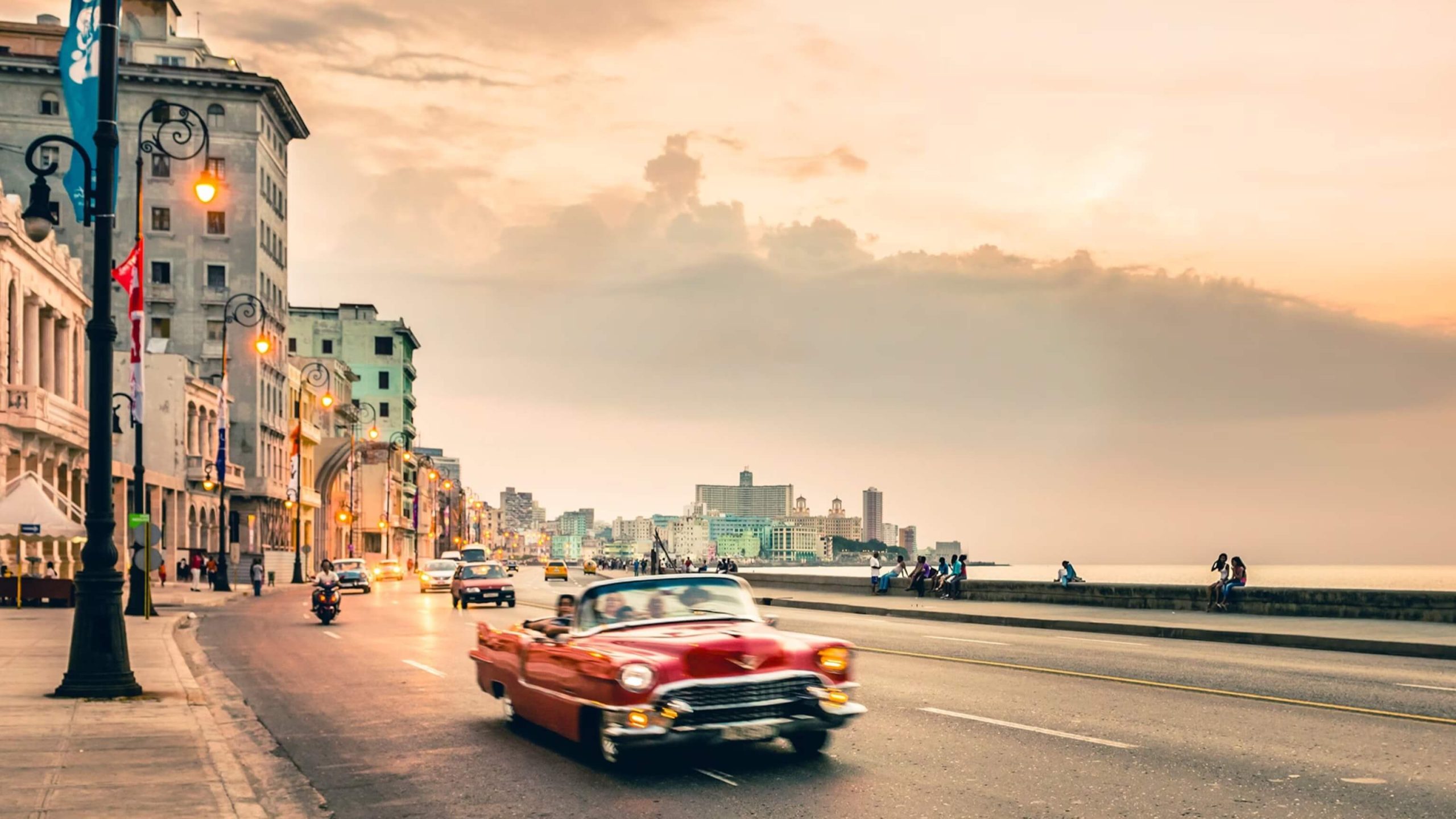
- The Malecon. The famous 8km seawall promenade. Best at sunset, when the whole city seems to come out.
- El Capitolio and the Gran Teatro. The domed Capitol building and the ornate theater anchor central Havana.
- Ride in a classic car. The 1950s American convertibles are touristy and genuinely fun. Agree on the price and route before getting in.
- Museo de la Revolucion. Even skeptics find the revolution museum fascinating for understanding modern Cuba.
Things to do in Cuba beyond Havana
- Varadero. The famous beach peninsula, about 2 hours from Havana. All-inclusive resorts line 20km of white sand. Things to do in Varadero center on the beach, with day trips to nearby caves and the Saturno cave swim.
- Trinidad. A perfectly preserved colonial town and UNESCO site, 4-5 hours from Havana. Things to do in Trinidad, Cuba include the Plaza Mayor, the Valle de los Ingenios (sugar valley), and nearby Playa Ancon beach.
- Vinales Valley. Tobacco country west of Havana, with dramatic limestone mogotes. Tour a tobacco farm, ride horses through the valley.
- Santiago de Cuba. The island’s second city and music capital, on the far east. Worth it for music lovers with time.
How US travelers can visit Cuba
US travelers cannot visit Cuba as pure tourists, but they can go under US government general license categories, most commonly “Support for the Cuban People.” In practice this means staying in private casas particulares (not government hotels), eating at private restaurants, and keeping a full-time schedule of activities that support private enterprise. Keep records of your trip for five years, as required. Rules change with administrations, so verify the current requirements before booking.
Money in Cuba: cash is king
Bring cash, enough for the whole trip. US cards and ATMs do not work reliably for Americans, and currency exchange options are limited. Euros or US dollars in clean, unmarked bills are the practical choice. Prices are quoted in Cuban pesos (CUP); the informal exchange rate differs sharply from the official one, so understand the system before you change money.
Internet and phones
Internet in Cuba is limited and slow by most travelers’ standards. Buy a local SIM (Cubacel) at the airport or ETECSA offices for the best connectivity, or use hotel and park WiFi zones. Download offline maps, translation apps, and your accommodation details before you go. Do not count on streaming or video calls.
Where to stay: casas particulares
Private homestays (casas particulares) are the best way to experience Cuba: cheaper than hotels, often including huge home-cooked breakfasts, and your money goes directly to Cuban families. They are also effectively required for US travelers under the Support for the Cuban People rules. Book the first nights ahead; beyond that you can often arrange stays as you travel.
Best time to visit Cuba
November through April is the dry season: warm, sunny, and the most comfortable. May through October is hotter, more humid, with afternoon rain and hurricane risk (peak August-October). December through March is peak tourist season with the highest prices.
Cuba travel tips
The most useful Cuba travel guide advice is practical:
- Learn basic Spanish. English is limited outside tourist areas. Even a little Spanish transforms the trip.
- Pack essentials. Toiletries, medicines, sunscreen, and insect repellent can be hard to find. Bring more than you think you need.
- Carry small bills. Change is chronically short. Small denominations solve endless problems.
- Drink bottled water. Tap water is not safe for visitors.
- Embrace the slow pace. Schedules slip, plans change, and the power may cut. Cuba rewards flexibility.
Frequently asked questions
Is Cuba safe for tourists?
Violent crime against tourists is rare, and Cuba is generally considered safe for visitors. Petty theft and scams exist, as anywhere. The bigger challenges are infrastructure, not safety.
Can Americans travel to Cuba?
Yes, under general license categories such as Support for the Cuban People. Pure beach tourism is not permitted for US travelers, but cultural and people-to-people travel is.
How many days do you need in Cuba?
A week covers Havana, Vinales, and either Trinidad or Varadero. Ten days to two weeks lets you add Santiago or slow down.
What currency does Cuba use?
The Cuban peso (CUP). Bring foreign cash (USD or EUR) and exchange locally; do not rely on cards or ATMs.
Do I need a visa for Cuba?
Most visitors need a tourist card, often arranged through the airline or a travel agency. Check requirements for your nationality before flying.