Florida beaches are the main reason most visitors come to Florida, with more than 1,300 miles of coastline, plus beaches on the Gulf of Mexico, the Atlantic Ocean, and the Florida Keys, each with a different feel. Gulf Coast beaches are usually calmer, with white sand and warm, shallow water, while Atlantic beaches have bigger surf and city energy, and Keys beaches are smaller, rockier, and better for snorkeling than for long sand walks. This guide covers Florida beaches, from Gulf, Atlantic, Panhandle, and Keys beaches to choosing the right beach for your trip and visiting tips.
Gulf Coast beaches: calm water and white sand
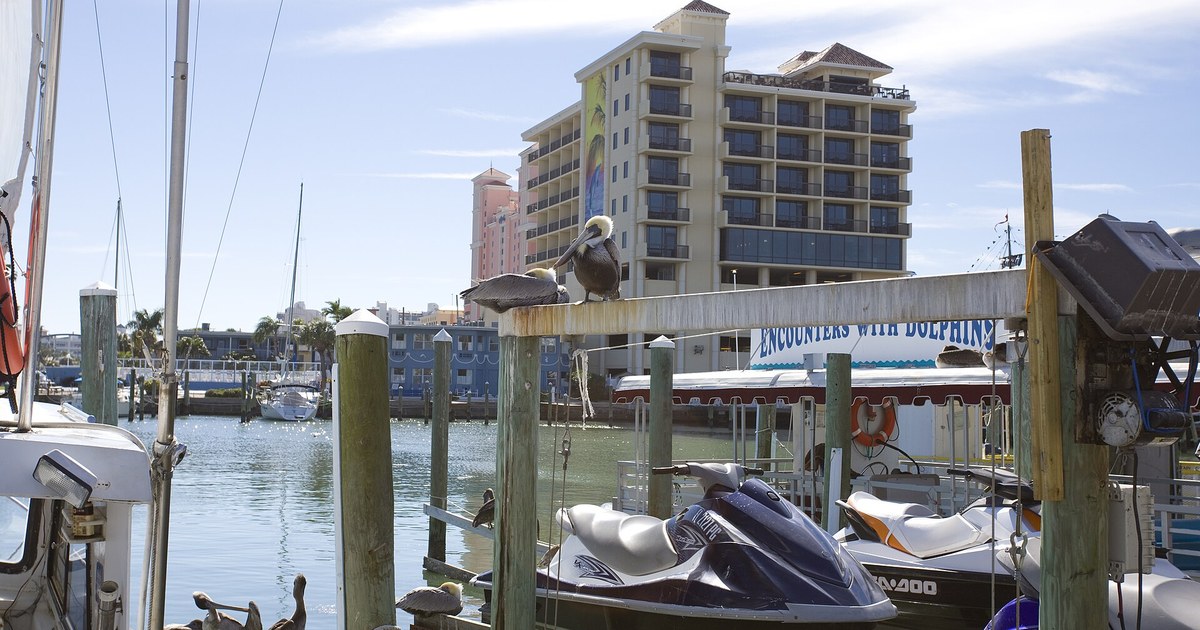
Gulf Coast beaches, on Florida’s west coast, are known for calm, warm water, white quartz sand, and long sunsets over the Gulf of Mexico, making them a good choice for families, swimmers, and anyone who prefers gentle waves. Clearwater Beach, near Tampa, offers a wide beach, a pier, and a lively promenade, while Siesta Key, near Sarasota, is known for its soft, white sand, and Sanibel Island, near Fort Myers, is known for shelling, with shells washing up along its shores. St. Petersburg beaches, including St. Pete Beach and Treasure Island, offer a mix of resort hotels, restaurants, and wide sand, making the Gulf Coast a good base for a beach holiday with easy access to restaurants and shops, plus calmer water for children and less confident swimmers.
Gulf Coast beaches also suit visitors who want a slower pace, with smaller towns, fishing piers, and waterfront restaurants, plus easy day trips to state parks and nature reserves. Water on the Gulf Coast is usually warmer and calmer than on the Atlantic side, especially in summer, but conditions can change with weather and season, so check local beach conditions before swimming, and swim near lifeguards where available. Gulf Coast beaches are also a good choice for sunsets, since the sun sets over the Gulf, giving evening walks and beach dinners a view that Atlantic beaches, facing east, do not offer in the same way.
Atlantic Coast beaches: surf, cities, and long shores
Atlantic Coast beaches, on Florida’s east coast, offer bigger surf, longer beaches, and city beaches, from Miami Beach in the south to Daytona Beach and Jacksonville in the north, plus quieter shores in between. Miami Beach, with South Beach, Ocean Drive, and Art Deco hotels, is Florida’s most famous city beach, with restaurants, nightlife, and a boardwalk, making it a good choice for visitors who want beach plus city life in one trip. Daytona Beach, known for its wide, hard packed sand and motorsport history, offers a very different Atlantic experience, with driving on parts of the beach allowed under local rules, plus a pier and boardwalk, while Cocoa Beach, near Cape Canaveral, is known for surfing and space coast views.
Atlantic beaches also include Palm Beach, with upscale resorts and Worth Avenue shopping, plus Delray Beach and Fort Lauderdale, the latter known for its beachfront promenade, boating canals, and restaurants, making the Atlantic Coast a good choice for visitors who want a beach holiday with city amenities close by. For a Fort Lauderdale beach stay, see our guide to Sonesta Fort Lauderdale Beach, and for a road trip that includes Miami and the Keys, see our guide to Miami to Key West drive. Atlantic surf is stronger than Gulf surf, so Atlantic beaches suit surfers and bodyboarders better, but swimmers should check surf and rip current warnings, and swim near lifeguards, since Atlantic conditions can change quickly with wind and swell.
Panhandle beaches: white sand and family towns
Florida Panhandle beaches, in northwest Florida, offer some of the whitest sand in the state, with Destin, Pensacola Beach, and Panama City Beach known for clear, emerald water, plus family friendly towns, seafood restaurants, and state parks. Destin, known as a fishing town, offers charter boats, seafood, and beaches with calm water in summer, while Pensacola Beach, on a barrier island, offers a quieter beach town feel, with a pier, Fort Pickens history nearby, and wide sand. Panama City Beach offers a longer resort strip, with hotels, attractions, and a lively beach scene, making the Panhandle a good choice for families who want white sand without South Florida crowds, plus easy driving access from Alabama, Georgia, and the southeastern United States.
Florida Keys beaches: small, rocky, and great for snorkeling
Florida Keys beaches are different from mainland Florida beaches, since the Keys are coral islands with little natural sand, so beaches are smaller, rockier, and often man made, with calm, clear water that suits snorkeling, diving, and kayaking better than long sand walks. Key West beaches, including Fort Zachary Taylor Historic State Park beach, offer swimming, snorkeling, and sunset views, plus historic fort grounds, making Key West a good choice for visitors who want beach time plus history, restaurants, and nightlife in a walkable island town. Other Keys beaches, on Islamorada, Marathon, and Key Largo, offer similar calm water, with boat trips, fishing, and snorkeling to coral reefs, making the Keys a good choice for water sports fans, even if they are not the best choice for classic sand beach lovers.
Choosing a Florida beach by trip type
For families with children, Gulf Coast beaches like Clearwater and St. Pete Beach, plus Panhandle beaches like Destin and Pensacola Beach, offer calmer water, wide sand, and family amenities, while Atlantic beaches like Cocoa Beach and Daytona Beach suit older children who want surf and boardwalk attractions. For surfers, Atlantic beaches like Cocoa Beach, New Smyrna Beach, and Jacksonville offer the most consistent surf, while Gulf beaches suit beginners and paddleboarders better, with calmer water. For quiet beaches, look to state parks and smaller Gulf and Panhandle towns, plus Sanibel Island for shelling, and for city plus beach, choose Miami Beach, Fort Lauderdale, or St. Petersburg, where hotels, restaurants, and nightlife are within walking distance of the sand. For a statewide beach overview, see our guide to best beaches in the USA for how Florida beaches compare with other US shores.
Visiting tips: sun, safety, and seasons
Florida sun is strong year round, so use sun protection, drink water, and take shade breaks, especially in summer, when heat and humidity are highest, and check local weather and beach conditions before swimming, since rip currents, storms, and seaweed can affect safety and comfort. Swim near lifeguards where available, follow beach flags and warnings, and do not swim alone in rough surf, since rip currents are a real risk on Atlantic beaches and on Gulf beaches during storms. In sea turtle nesting season, follow local beach rules on lighting, beach furniture, and nesting areas, and check current park and beach rules before visiting, since access, parking, and facilities can change seasonally. Florida beaches are busiest in spring and summer, with quieter conditions in fall and winter, except for holiday weeks, so plan parking and accommodation early for peak weekends, and allow extra time for beach access in popular towns like Clearwater, Miami Beach, and Destin.
Disclosure: This post contains affiliate links. If you book through them, we may earn a commission at no extra cost to you.
Compare hotels in Florida on Booking.com for your dates.
Florida beaches offer something for every trip, from calm Gulf sand to Atlantic surf and Keys snorkeling. See our guide to best beaches in the USA for nationwide comparisons, our guide to Miami to Key West drive for a Florida road trip, and our guide to Sonesta Fort Lauderdale Beach for a Fort Lauderdale beach stay.