Hawaii is not one island. It is a chain of six main islands, and each one has a different feel. Oahu has the city and the famous beaches. Maui has the resorts and the road trips. Big Island has the volcanoes. Kauai has the cliffs and the quiet trails. Lanai and Molokai are smaller, slower, and far less visited. Picking the right island matters more than picking the right hotel, because the islands are not interchangeable.
Oahu: the city island
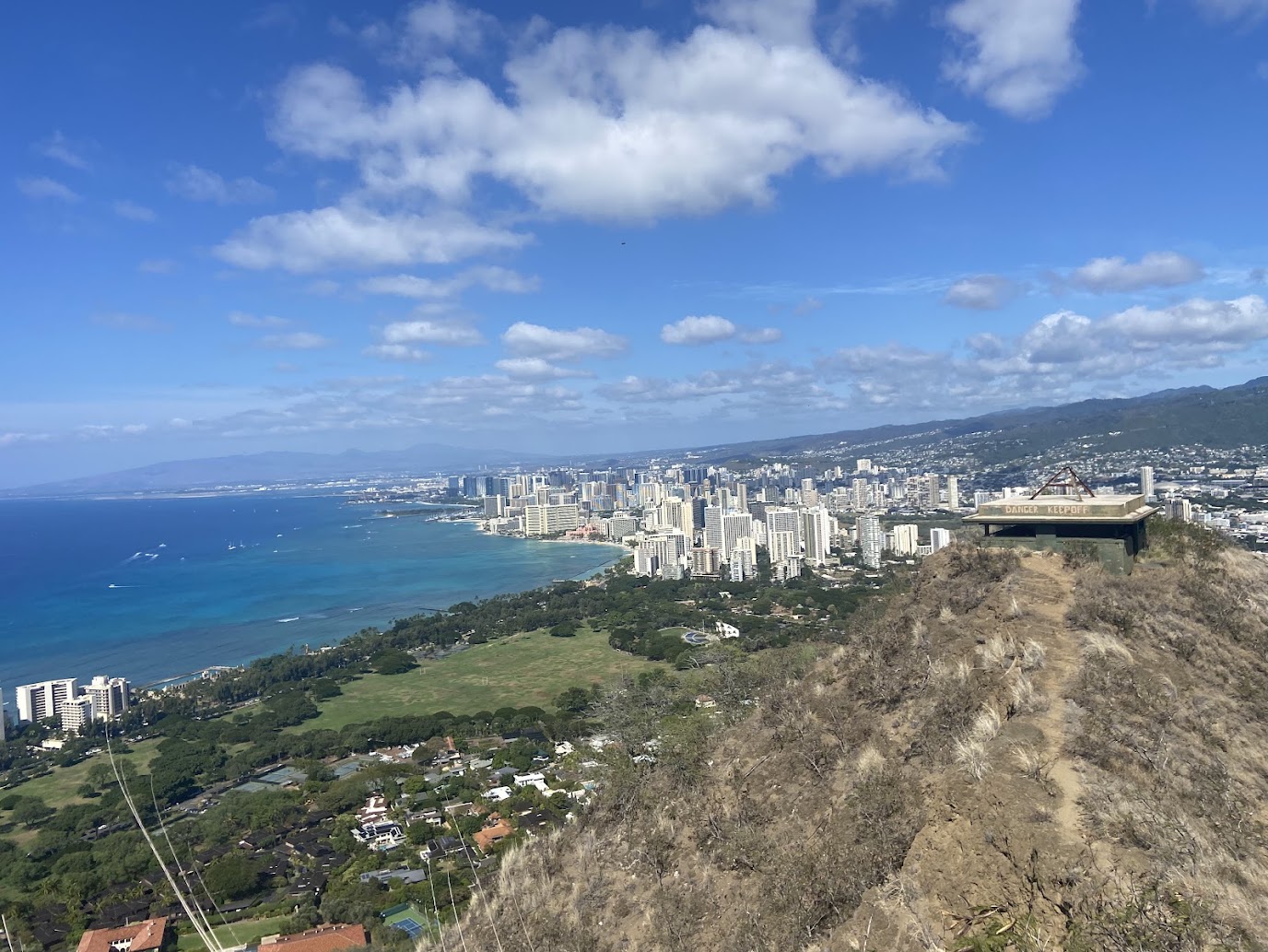
Oahu is where most Hawaii trips start. Honolulu is the state capital and the main gateway, and Waikiki is the beach most people picture when they think of Hawaii. The island also has Pearl Harbor, the North Shore surf beaches, and the hike up Diamond Head, the volcanic crater that rises above Waikiki. Oahu suits first time visitors who want beaches, restaurants, shopping, and day trips without renting a car for every outing. It is also the busiest island, so Waikiki and Honolulu feel more like a city than a retreat.
Maui: the classic holiday island
Maui is the island most people choose for a honeymoon or a family holiday. It has long sandy beaches, resort towns like Kaanapali and Wailea, and the Road to Hana, a slow coastal drive past waterfalls and small towns. Haleakala, the dormant volcano that forms the eastern half of the island, is a popular sunrise trip. Whale watching runs in winter, when humpback whales migrate past the island. Maui is easy to enjoy without a detailed plan, which is part of its appeal.
Big Island: the volcano island
Big Island, officially Hawaii Island, is larger than all the other main islands combined. It is the island for volcanoes, black sand beaches, and wide open landscapes. Hawaii Volcanoes National Park covers two active volcanoes, and the island also has Mauna Kea, a mountain that rises high above the clouds and is known for stargazing. The island is big enough that driving between sights takes time, so most visitors base themselves on one side and explore from there. See our guide to things to do on Big Island for the main sights.
Kauai: the garden island
Kauai is the oldest and greenest of the main islands, and the quietest of the big four. The Na Pali Coast, a stretch of steep green cliffs on the northwest shore, is the island’s signature sight, best seen from a boat or from the air. Waimea Canyon, often called the Grand Canyon of the Pacific, cuts through the interior. Kauai suits hikers, kayakers, and anyone who wants a slower trip with fewer resorts. It has fewer direct flights than Oahu or Maui, and the weather is wetter, which is why it stays so green. See our guide to things to do in Kauai for Na Pali, Waimea Canyon, and the beaches.
Lanai and Molokai: the quiet islands
Lanai and Molokai are the smallest main islands, and the least visited. Lanai has a small resort scene and quiet beaches, and is often visited as a day trip from Maui. Molokai is more rural, with a small population and few tourist facilities, and it suits visitors who want to step away from resorts entirely. Neither island has the range of hotels and restaurants found on the big four, so they work best as a second island on a longer trip, or for a short, quiet stay.
How to choose
First time in Hawaii and want the classic experience? Start with Oahu or Maui. Want volcanoes and wide landscapes? Choose Big Island. Want hiking, cliffs, and quiet? Choose Kauai. Want to get away from it all? Add Lanai or Molokai. Many visitors combine two islands in one trip, usually Oahu plus one other, or Maui plus Big Island. Two islands in a week is comfortable. Three islands in a week means most days are spent travelling.
Getting between the islands
Interisland flights connect Oahu, Maui, Big Island, and Kauai, with several flights a day on the main routes. Ferries run between Maui and Lanai, and between some other island pairs, but there is no ferry network covering all six islands. Most island hopping is done by air, so factor flight time and airport transfers into the plan. Rental cars are worth booking in advance, especially in peak season, as availability on the smaller islands is limited.
Best time to visit
Hawaii is warm year round, with the driest weather from April to October. December to April is whale season, when humpback whales migrate past the islands. September to November is the quietest season, with fewer visitors and lower hotel rates. Winter and summer are the busiest seasons, so book flights and hotels early for those months.
Disclosure: This post contains affiliate links. If you book through them, we may earn a commission at no extra cost to you.
Compare hotels in Hawaii on Booking.com for your island and dates.