
Hot Springs / Colorado
Colorado Hot Springs: 58 Soaks, Resorts & Wild Pools
58 mapped soaks from resort pools to high-country wilderness springs, with source temperatures, gateway towns, and planning tips.
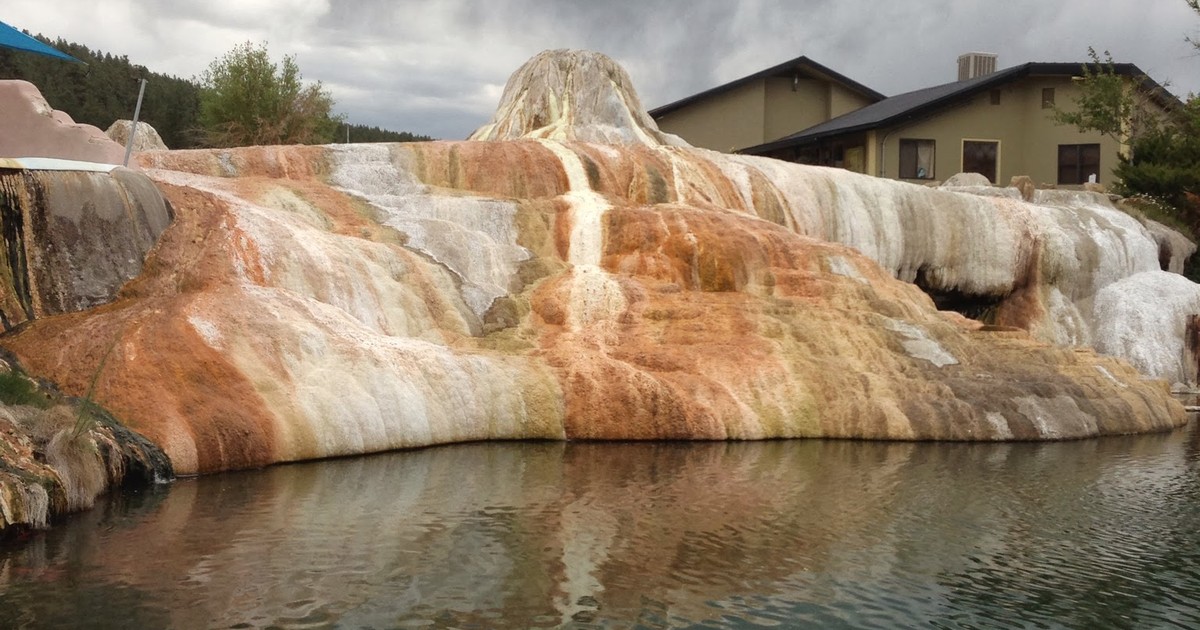
Colorado is a hot springs state built around its mountain towns. Unlike states where the best soaks hide at the end of a forest road, many of Colorado’s best-known springs sit right in town: Glenwood Springs, Pagosa Springs, Ouray, Steamboat Springs, Idaho Springs, and the Salida and Buena Vista area all have pools you can walk to from a hotel. This guide maps 58 Colorado springs from USGS data, from the Front Range to the San Juan Mountains. One additional thermal source in the dataset is classed as a hazard and is left out of this guide entirely, so everything listed here is a real place you can plan around.
Colorado soaks fall into two clear groups. The resort group is the easy entry point: large developed pools, changing rooms, lodging on site or nearby, and water temperatures managed for soaking. The wild group is the payoff for hikers: primitive pools reached on foot, often at high elevation, where the experience is quieter and the logistics are harder. Most first-time visitors should start with the resort group and add one wild soak once they know what Colorado mountain roads and weather demand.
One thing to know before you pick a spring: the temperatures in this guide are source temperatures, measured where the water comes out of the ground. Pools and tubs usually run cooler, because the water cools as it flows and mixes with cold water. A source listed at 156 degrees is not a 156-degree pool. Always check current conditions before you visit, since access, fees, and facilities change with the seasons.
We may earn a commission if you book through the links on this page, at no extra cost to you. That commission helps keep this guide free.
Planning a Colorado soak trip? Compare places to stay across the state before you pick a spring.
How to use this guide
Start with the table below for the best-known springs, then open the interactive US hot springs map to see every Colorado spring by location. Individual spring pages with directions, access notes, and photos will link from this hub as they publish. Gateway towns matter in Colorado: Denver covers the Front Range springs, Colorado Springs covers the Arkansas Valley and San Luis Valley, Glenwood Springs covers the western corridor and the high-country hikes, Steamboat Springs covers the northwest, and Pagosa Springs and Durango cover the San Juans.
Best-known Colorado hot springs
These twelve cover the full range of the state: resort pools, town springs, and wild soaks. Temperatures are source temperatures from USGS data. Distances are miles to the nearest town or gateway in our dataset.
| Spring | Source temp | Nearest gateway |
|---|---|---|
| Glenwood Springs | 124°F | Glenwood Springs, in town |
| Ouray Hot Springs | 156°F | Ouray, in town |
| Pagosa Springs | 136°F | Pagosa Springs, in town |
| Steamboat Springs | 102°F | Steamboat Springs, in town |
| Idaho Springs | 115°F | Denver, 28 miles |
| South Canyon Hot Springs | 118°F | Glenwood Springs, 5 miles |
| Penny Hot Springs | 133°F | Glenwood Springs, 23 miles |
| Mount Princeton Hot Springs | 133°F | Colorado Springs, 73 miles |
| Cottonwood Hot Springs | 136°F | Colorado Springs, 76 miles |
| Valley View Hot Springs | 99°F | Colorado Springs, 70 miles |
| Pinkerton Hot Springs | 90°F | Durango, 13 miles |
| Hot Sulphur Springs | 111°F | Steamboat Springs, 47 miles |
The Glenwood Springs corridor
Glenwood Springs is the best base for a first Colorado hot springs trip, because it packs several different soaks into one town and its surroundings. The town’s own springs feed large resort pools, and the resort is billed as home to the world’s largest mineral hot springs pool, a long main pool plus a smaller therapy pool. Iron Mountain Hot Springs sits on the Colorado River in the same town, and the Yampah Vapor Caves offer a different experience entirely: a naturally occurring underground steam bath rather than an open pool.
Just outside town, the corridor keeps going. South Canyon Hot Springs sits about five miles from Glenwood Springs, and Penny Hot Springs sits about 23 miles away along the Crystal River, a riverside soak that suits visitors who want something smaller and quieter than a resort. Avalanche Ranch Hot Springs, about 21 miles from Glenwood Springs, rounds out the corridor with a ranch setting. If you stay in Glenwood Springs, you can sample resort pools, a vapor cave, and a riverside wild soak without changing hotels.
The San Juans: Ouray, Pagosa, and Durango
The San Juan Mountains in southwestern Colorado hold the state’s most dramatic hot springs towns. Ouray, often called the Switzerland of America for its steep peaks, has town hot springs fed by a 156-degree source, plus the Wiesbaden Hot Springs with its vapor cave beneath the lodge. Pagosa Springs, built around its namesake springs on the San Juan River, is fed by a 136-degree source and pairs resort pools with a small mountain town base. Dunton Hot Spring, in the same region, is a quieter stop at 108 degrees at the source.
Durango anchors the southern end of the San Juans. Pinkerton Hot Springs, about 13 miles from Durango, is a mild 90-degree source, a good example of how much Colorado varies: the same region holds near-scalding sources and gentle warm springs within a short drive of each other. Tripp Hot Springs and Piedra River Hot Springs, both in the Pagosa and Durango area, give the region its wild options for visitors who want to move beyond the resort pools.
Arkansas Valley and San Luis Valley
The Arkansas River valley around Buena Vista and Salida is Colorado’s other great soaking region, and it is the easiest to pair with other mountain activities. Mount Princeton Hot Springs (133 degrees at the source) and Cottonwood Hot Springs (136 degrees) sit near Buena Vista, with resort facilities and creekside pools. Salida Hot Springs and Dakota Hot Springs add town pool options in the same valley, and Poncha Hot Springs, at 160 degrees at the source, sits just south of Salida.
South of the Arkansas Valley, the San Luis Valley holds Valley View Hot Springs, at 99 degrees at the source, and Joyful Journey Hot Springs, both reached from the Colorado Springs side. These are quieter, more remote-feeling soaks than the Glenwood and San Juan resorts, and they suit a slower trip: fewer crowds, wide valley skies, and long drives between stops. Mineral Hot Springs, at 140 degrees at the source, sits in the same valley region.
Wild and high-country soaks
Colorado’s wild springs reward effort. Conundrum Hot Springs, in the Maroon Bells-Snowmass Wilderness near Aspen, sits at about 11,200 feet, among the highest hot springs in the country. Reaching it means a long hike into wilderness, and overnight trips require permits. Dogs are not allowed near the springs, and all waste must be packed out, so this is a trip to plan carefully rather than a casual stop.
Other wild options are easier to reach. South Canyon and Penny Hot Springs, in the Glenwood corridor, need a short approach rather than a wilderness expedition. Rainbow Hot Springs, at 104 degrees at the source, and Piedra River Hot Springs, at 108 degrees, sit in the southern mountains near Pagosa Springs. Wagon Wheel Gap Hot Springs, at 135 degrees at the source, adds another southern wild option. For every wild spring, check the managing agency page before you go: trail access, fire restrictions, and seasonal closures change the plan.
Planning a Colorado hot springs trip
Pick your base first, then your springs. Denver works for Idaho Springs and the Front Range. Colorado Springs works for the Arkansas Valley and San Luis Valley, though the drives are long. Glenwood Springs works for the western corridor and the high-country hikes. Steamboat Springs works for Strawberry Park Hot Springs and Old Town Hot Springs in town, plus Hot Sulphur Springs to the southeast. Pagosa Springs or Durango works for the San Juans.
Seasons change the experience more than most visitors expect. Winter is a classic soaking season at the resorts, which stay open year round, but mountain roads and unpaved final approaches can demand four-wheel drive or chains, as at Strawberry Park Hot Springs outside Steamboat Springs. Summer brings the biggest crowds to the well-known resorts and the busiest trailheads, so weekday visits and shoulder seasons are calmer. No matter the season, check current conditions with the resort or managing agency before you leave, and carry what you need: remote southern and high-country sites have long gaps between services.
Safety follows the same rule across the state. Source temperatures above 115 degrees can scald, and several Colorado sources run far hotter than that, including Hortense Hot Spring at 181 degrees, Upper Waunita Hot Springs at 176 degrees, Lower Waunita Hot Springs at 167 degrees, and Poncha Hot Springs at 160 degrees. Never assume a source pool is safe to enter. Soak only in developed pools and tubs where the water temperature is managed, test the water before getting in, and keep children close. If a spring has no managed pool, treat it as a place to look at, not a place to soak.
Colorado hot spring temperature guide
Source temperatures in this guide are grouped the way soakers actually feel them. Lukewarm sources under 95 degrees are pleasant on a hot day but will not feel like a hot soak. The classic soaking range runs from the high 90s to about 110 degrees. Sources from 111 to 130 degrees feed the tubs and pools most visitors enjoy, once the water has cooled or been mixed. Anything above 130 degrees at the source is very hot water that must be cooled before it is safe, and several Colorado sources fall in this range. The table above gives the source number for each spring; the pool you step into will read lower.
Etiquette and Leave No Trace
Hot springs etiquette is simple and it matters more at the popular resort pools and the small wild sites, where a handful of pools serve a lot of visitors. Soak quietly, keep your visit to a reasonable length when others are waiting, and leave the pools as you found them. Pack out everything you bring in, including trash, and never leave glass, food waste, or personal items at a spring. At wilderness springs such as Conundrum, pack out all waste, stay on trails, respect closures and dog rules, and remember that many Colorado springs sit on national forest land where the managing agency sets the rules. A clean, quiet soak is what keeps these places open.
Frequently asked questions
Do I need reservations for Colorado hot springs?
It depends on the spring. Developed resorts and lodges usually take reservations and often require an overnight stay for day use. Some resort pools, such as Strawberry Park Hot Springs, run timed entry that can sell out. Wilderness springs such as Conundrum require overnight permits instead. Check the specific spring before you go rather than assuming one rule for the whole state.
Are Colorado hot springs open in winter?
Resorts with plowed access stay open year round, and winter is a popular soaking season. Wild and high-country springs are harder in winter: trails and unpaved roads can be impassable, and some sites are effectively closed by snow even if no gate is locked. Check road conditions and the site’s current status before a winter trip.
Which Colorado hot spring is best for families?
Families usually do best at developed resort pools, where the water temperature is managed, there are amenities, and the rules are clear. Glenwood Springs, Ouray, Pagosa Springs, and Old Town Hot Springs in Steamboat Springs are resort-style options. Wild sites with unmanaged water and wilderness rules suit older children and adults who are comfortable with rustic facilities.
Are any Colorado hot springs clothing-optional?
Most resort pools require swimwear. Strawberry Park Hot Springs outside Steamboat Springs is clothing-optional after dark, for adults only. Rules vary by site and by time of day, so check the specific spring’s posted rules before you go.
How many hot springs are in Colorado?
This guide maps 58 Colorado springs from USGS data, covering the full range from lukewarm seeps to near-boiling sources. One additional thermal source in the dataset is classed as a hazard and is excluded from the guide. Individual spring pages with directions and access notes will link from this hub as they publish.
Source temperatures are measured at the spring source; pools and developed areas usually run cooler. Always check current conditions before visiting.