
Hot Springs / Massachusetts
Massachusetts Hot Springs: The One Spring
One dataset record leads the whole state: the lukewarm spring at Sand Springs Pool in Williamstown, with source temperature, history, and planning tips.
Massachusetts holds one mapped thermal spring. The dataset lists a single record: Sand Spring in Williamstown, in the Berkshire Hills at the northwest corner of the state. Its source temperature is 75 degrees. That makes it a lukewarm spring, not a hot soak, and the only documented thermal spring in all of New England. The spring feeds Sand Springs Pool, a community pool that has run on the site since the 1820s. This guide maps the one record. It explains what the water is and what the pool offers. It explains why the state has only one spring, and what to do in the Berkshires around it. A source temperature is not a pool temperature. A mapped record is not automatically a resort.
We may earn a commission if you book through the links on this page, at no extra cost to you. That commission helps keep this guide free.
How to use this guide
Start with the table below for the one mapped spring. Then open the interactive US hot springs map to see the record by location. A spring page with directions, access notes, and photos will link from this hub when it publishes. The area in the table is a broad region, not a driving distance. Sand Springs Pool holds the only public soaking in the set, and it is a lukewarm swim, not a hot soak. Base your expectations on the source temperature, not on the word hot spring.
The counts behind this guide need one honest note. The dataset holds one Massachusetts record. It carries lukewarm status, and it is soakable. No Massachusetts source reaches 98 degrees. No site in this guide is a true hot soak by the dataset figures. The pool figures in this guide come from published guides, and they are labeled as published figures. Every number here is a source temperature unless the text says otherwise.
The one Massachusetts thermal spring
This one record is the whole mapped set for the state. There is no second spring to compare it with, and no hidden spring waiting in the data. The temperature is a source temperature from USGS data. The area is a broad region from the dataset, not a driving distance.
| Spring | Source temp | Area |
|---|---|---|
| Sand Spring | 75°F | Williamstown, Berkshire County |
Sand Springs Pool: the spring, the pool, the place
What the water is
The spring is real thermal water, and it is not hot. The dataset records the Sand Spring source at 75 degrees. Published guides put the spring at about 72 degrees, constant through the year. The two figures describe the same water measured in different places and at different times. This guide keeps them separate. 75 degrees is the dataset source figure. About 72 degrees is the published figure at the spring. Either way, the water is lukewarm. It is a warm spring, not a hot spring, by any temperature scale a soaker would use.
The flow is what makes the spring remarkable, not the heat. The spring produces about 400 gallons of water per minute from an aquifer about 2,800 feet below the surface. Published accounts say the water starts in Pownal, Vermont. It descends thousands of feet, is filtered through sand and an aquifer, and rises again through thermal and fluid pressure. That deep journey is the reason the water holds a steady temperature through a New England winter while the air above it freezes. The pool built on the spring is the only place in New England where that deep water reaches the surface as a public bath.
The pool today
Sand Springs Pool and Recreation Center sits at 158 Sand Springs Road in Williamstown. It stands about two miles north of the town center and the Williams College campus. The centerpiece is a 160-foot outdoor swimming pool, three to twelve feet deep, fed by the spring. A separate toddler wading pool, a hot tub, and a snack bar fill out the grounds. A broad lawn with lounge chairs and picnic tables surrounds them. Lifeguards are on duty during operating hours, and the facility is wheelchair accessible, with paved pathways and accessible changing areas.
The outdoor pool runs seasonally, from late June through early September, roughly Memorial Day to Labor Day. Lap swimming runs in the morning hours, with family open swim in the afternoon. Admission is charged, with day passes and season passes, and Williamstown residents receive a discount. The center stays open through the year. An indoor pool and a sauna carry the colder months. The sauna season starts on November 1. Check the center’s own site at sandspringspool.org for current season dates and daily hours before you travel, because the dates move with the season.
Published guides put the outdoor pool at an average of around 80 degrees during the swimming season. That is a pool temperature, not a source temperature. The shallow pool warms in the summer sun, and the figure varies with the weather. The spring itself stays near 72 degrees. Go for a warm swim on a hot day, not for a hot soak. The hot tub on site is the warmer option for adults who want heat, and the sauna runs hotter still in the colder months.
Two centuries of bathing
The spring was discovered in 1827, and it has been used for public bathing since the 1820s. That history runs deeper than the discovery date. The spring is an ancient Mohican spring. The Stockbridge-Munsee Community regards the place as significant for the abundance of natural springs and for the water’s medicinal properties. In times of sickness, community members visited the spring for its healing properties. Mohican Sachem John Konkapot, also known as Pophnehonnuwuh, described regularly visiting the springs here. The pool you swim in today sits on ground that was sacred long before it was a resort.
The spring’s reputation once traveled farther than Williamstown. The Cunard ocean liner company served its ocean-going passengers water exclusively from Williamstown’s Sand Springs. A family swimming pool has run on the site every summer since 1907. The current facility was built in 1935. It was one of the public works projects of President Franklin Roosevelt’s New Deal during the Great Depression, built with community fundraising alongside it. Today the nonprofit Sand Springs Pool and Recreation Center operates the facility as a community resource and seasonal gathering place. It has served Williamstown for generations, and it runs on admission fees, season passes, and community support.
Finding it
Reach the pool by car from Route 7 or Route 2. From Albany, New York, drive east on Route 2 for about 35 miles. From North Adams, Massachusetts, drive west on Route 2 for about five miles. The nearest commercial airports are Albany International, about 40 miles west, and Bradley International near Hartford, Connecticut, about 90 miles southeast. Parking is available on site. Williamstown is a small college town bordering both Vermont and New York. It sits at the northwest corner of Massachusetts. The pool makes an easy stop on a Berkshire trip, not a destination on its own.
Why Massachusetts has only one thermal spring
Massachusetts has one thermal spring because New England’s geology gives it almost nowhere to make one. A hot spring needs heat close to the surface, and that heat usually comes from recent volcanism or from young, thin crust. New England has neither. Its rocks are old, its crust is thick and cold, and its last volcanoes died hundreds of millions of years ago. The ground here does not run hot. It runs cold, and it stays cold.
Sand Spring is the exception, and its own story explains why. The water does not come from hot rock near the surface. It comes from depth: an aquifer about 2,800 feet down, where the earth’s ordinary warmth is enough to hold the water near 72 degrees. The water rises because pressure pushes it up, not because a volcano heats it. That is why the spring is warm rather than hot, and why it is alone. The geology that makes one lukewarm spring in Williamstown cannot make a second one somewhere else in the state. Every other mapped spring in the Northeast sits the same way, as a lone lukewarm record in a cold state.
The same geology explains the shape of this guide. A state with one lukewarm spring cannot support a list of resorts, and this guide does not pretend otherwise. What Massachusetts offers instead is a single honest swim in the Berkshires. The mountains, the college town, and the history around it do the work that a dozen hot springs would do in the West.
The Berkshires around the spring
Williamstown
Williamstown is a small college town, home to Williams College and the Clark Art Institute. The pool sits about two miles north of the town center. The town is the natural base for a Sand Springs visit. Spend the morning at the pool, the afternoon at the Clark, and the evening in town. The college gives the town its bookshops and cafes, and the Clark gives it one of the strongest small art museums in the country. Neither is a hot spring, and neither needs to be. They are the reason the pool works as a stop rather than as a destination.
Mount Greylock
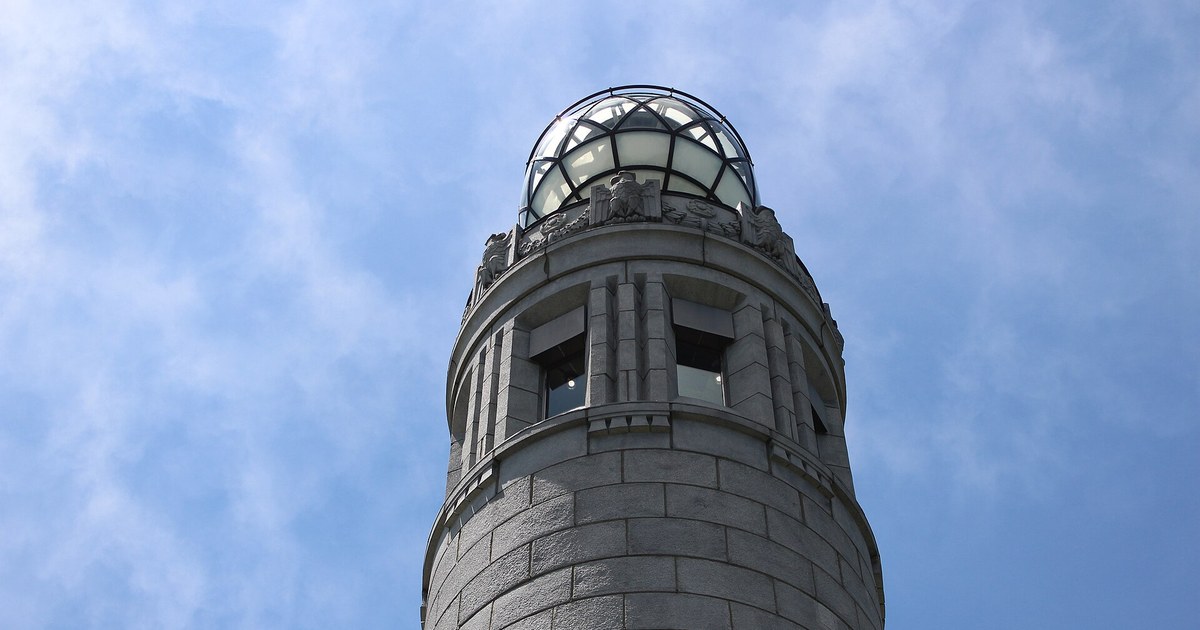
Mount Greylock, at 3,491 feet, is the highest point in Massachusetts, and it rises just east of Williamstown. The summit sits in the town of Adams, near its border with Williamstown, and the massif spreads across six towns in Berkshire County. Mount Greylock State Reservation was created in 1898 as the first public land in Massachusetts set aside for forest preservation. It covers about 12,500 acres. The 93-foot Veterans War Memorial Tower crowns the summit, and on a clear day the view reaches as far as 90 miles. The Appalachian Trail crosses the summit, and Bascom Lodge welcomes visitors in the summer season. Summit roads run from late May through the end of October. Pair the pool with the mountain: swim in the morning, drive or hike to the summit in the afternoon.
North Adams and the valley
North Adams sits about five miles east of the pool on Route 2. It is the neighboring mill town turned museum town, and it is home to MASS MoCA. The valley between the two towns holds the Hoosic River, the farms, and the trailheads that fill a Berkshire weekend. The pool, the mountain, and the museums form a single trip: water, height, and art, all within a few miles of each other. None of it is a hot springs resort, and the trip is better for admitting that.
The nearest springs beyond Massachusetts
The nearest mapped spring outside Massachusetts sits about 20 miles west, in a straight line. Lebanon Spring in New Lebanon, New York, records 72 degrees at the source, and it carries lukewarm status like Sand Spring. It is New York’s only mapped record. The two springs are the pair that New England’s thermal map actually holds. One lukewarm spring sits in Massachusetts. One sits across the state line in New York. Nothing else follows for hundreds of miles.
After Lebanon Spring, the map goes quiet. The next nearest mapped springs are more than 330 miles away, in West Virginia. Swan Pond Spring sits at about 332 miles. Berkeley Springs sits at about 339 miles. Both record 72 degrees. Those distances are straight-line figures, not driving distances. They say plainly what the Northeast thermal map looks like. Two lukewarm springs sit in the Berkshires and the Hudson Valley. Then comes a long empty stretch before the next warm water. A traveler chasing hot springs does not drive south from Williamstown. They drive west, toward the Rockies, or they accept the lukewarm swim they have.
Springs that are not what they seem
Other named springs in Massachusetts
Published roundups list other named mineral springs in Massachusetts, including Bowers Springs in Lenox. They are mineral springs, not thermal springs, and none of them appears in the USGS thermal dataset. The names survive on maps and in local history, and the water in them runs cold. Do not plan a soaking trip around them. The dataset holds one Massachusetts thermal record, and this guide lists it.
Heated pools are not hot springs
Massachusetts has plenty of heated pools, spa tubs, and hotel soaking tubs. None of them is a thermal spring. A heated pool is warm because a heater warms it. A thermal spring is warm because the earth warms it. The distinction matters to a traveler who searches for hot springs and finds a hotel spa instead. Sand Springs Pool is the one place in the state where the warmth comes from the ground. Everywhere else, the warmth comes from a boiler.
Planning a Massachusetts hot springs trip
Base in Williamstown
Base in Williamstown, and treat the pool as a half-day visit. Swim in the morning, when lap swimming runs and the pool is quietest. Then spend the afternoon at the Clark Art Institute or on Mount Greylock. Stay in Williamstown for the shortest drive to the pool, or in North Adams for the museum town. The pool is a half-day at most. Arrive early and leave before the afternoon crowd fills the lawn.
Seasons and safety
The season decides the trip. The outdoor pool runs from late June through early September, so a summer visit is the only way to swim outdoors. The indoor pool and the sauna carry the colder months, and the sauna season starts on November 1. Winter in the Berkshires is cold, and the warm spring water feels warmest when the air turns cool. No matter the season, check the center’s current dates before you leave. The pool is a community facility, and its dates move with the season.
Safety follows the same rule as everywhere else on this site. The pool is a managed facility with lifeguards on duty, changing rooms, and a snack bar. It is the most accessible soaking in the state’s small thermal set. Swimwear is required in all pools, and visitors should shower before entering. Children should be supervised at all times, particularly in the main pool, where depths reach twelve feet. The facility may close during severe weather, including thunderstorms. Test the water before getting in, and keep children close.
Massachusetts hot spring temperature guide
Lukewarm sources
Source temperatures in this guide are grouped the way visitors actually feel them. Lukewarm sources under 98 degrees are pleasant on a warm day but will not feel like a hot soak. They make up the whole Massachusetts set: one record, Sand Spring at 75 degrees. The published figure at the spring is about 72 degrees. The outdoor pool averages around 80 degrees during the swimming season, according to published guides, because the shallow pool warms in the sun. That is a pool temperature, not a source temperature.
The classic soaking range
The classic soaking range runs from the high 90s to about 110 degrees. No Massachusetts source reaches it by the dataset figures. Sand Spring at 75 degrees sits well below the range, and that gap matters for expectations. Do not come to Williamstown for a hot soak. Come for a warm swim on a hot day, with a hot tub and a sauna on site for anyone who wants real heat.
Hot sources and unknown temperatures
No Massachusetts site records a source above 100 degrees. The hottest mapped source in the state is Sand Spring at 75 degrees. No Massachusetts site carries an unknown dataset temperature. Every record in the set carries the temperature the dataset gives it, and this guide claims no temperature it cannot source.
Etiquette and Leave No Trace
Hot springs etiquette is simple. It matters most at a small community place like Sand Springs Pool, where a town’s families share one pool with visitors. Visit quietly, and leave the grounds as you found them. Pack out everything you bring in.
The pool is a nonprofit community resource, and it runs on admission fees, season passes, and community support. Treat the grounds and equipment with care. Follow the posted rules on noise, conduct, and pool use. The spring itself sits on ground that is still significant to the Stockbridge-Munsee Community. The water was valued for healing long before it was a pool. Do not collect, do not dig, and do not disturb the spring. A clean, quiet visit is what keeps the one thermal spring in New England open.
Frequently asked questions
Is there a hot spring in Massachusetts?
Yes, one mapped thermal spring: Sand Spring in Williamstown, with a source temperature of 75 degrees. It is a lukewarm spring, not a hot soak, and it feeds Sand Springs Pool. It is the only documented thermal spring in New England.
Can you swim at Sand Springs Pool?
Yes. The outdoor pool runs seasonally, from late June through early September, and admission is charged, with day passes and season passes. Check sandspringspool.org for current season dates and daily hours. An indoor pool and a sauna run in the colder months.
How hot is the water at Sand Springs?
The dataset records the Sand Spring source at 75 degrees, and published guides put the spring at about 72 degrees year round. The outdoor pool averages around 80 degrees during the swimming season, according to published guides. The source temperature is not the pool temperature.
Are there other hot springs in Massachusetts?
No. The dataset holds one Massachusetts thermal record. Other named springs in published roundups, including Bowers Springs in Lenox, are mineral springs. They are not thermal springs, and none of them appears in the USGS thermal dataset.
Where is the nearest hot spring outside Massachusetts?
Lebanon Spring in New Lebanon, New York, about 20 miles west of Sand Spring in a straight line. Its source temperature is 72 degrees. After that, the next mapped springs are more than 330 miles away in West Virginia.
Source temperatures are measured at the spring source; pools and developed areas usually run cooler. Always check current conditions before visiting.