
Hot Springs / Montana
Montana Hot Springs: 63 Soaks, Resorts & Wild Pools
63 mapped thermal springs from Bozeman resorts to Paradise Valley pools, with source temperatures, base towns, and planning tips.
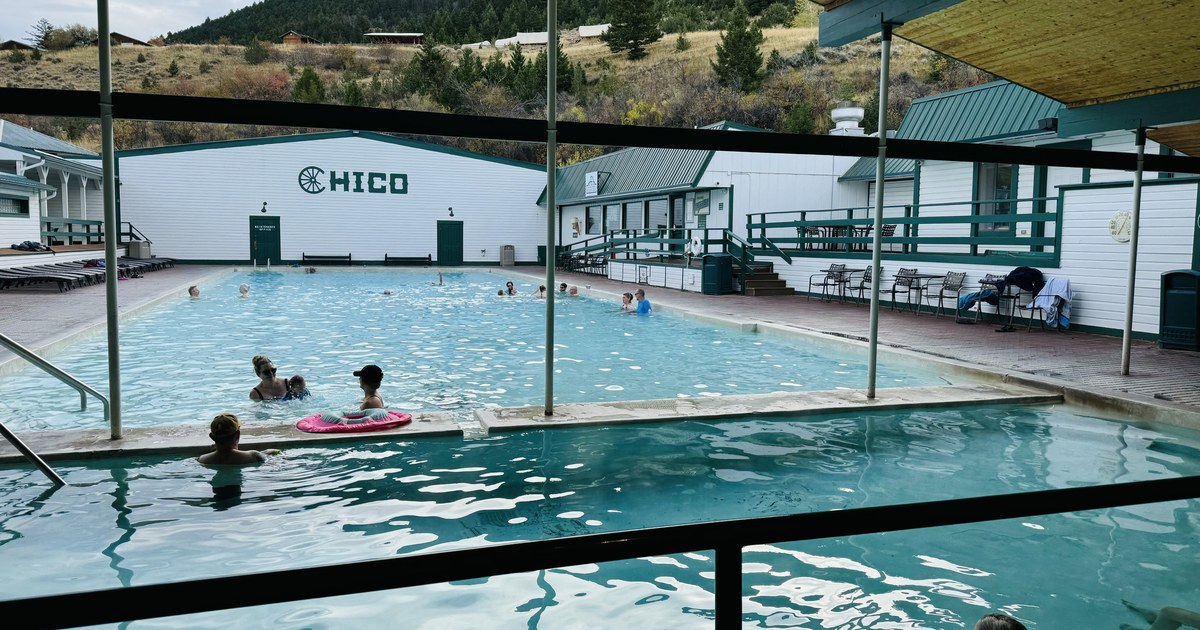
Montana is a resort hot springs state first and a wild soaking state second. That order is the key to planning a trip here. The best-known Montana soaks are developed resorts with managed pools, lodging, and set hours. They cluster in the southwestern mountains around Bozeman, Helena, and the Paradise Valley. The wilder side of the state is quieter. Small natural springs scatter across the western valleys, many of them lukewarm, and you reach them by country roads rather than resort driveways. This guide maps 63 Montana thermal springs from USGS data. They run from the Yellowstone gateway country in the south to the northwestern valleys. No Montana record counts as a hazard in the dataset, so nothing is excluded on that ground. However, not every mapped spring is a comfortable soak: 33 records carry lukewarm status, and 2 carry no dataset temperature at all.
The best-known Montana soak is Norris Hot Springs, and it sets the tone for the state. Norris records a 127 degree source in the southwestern resort country. The site offers a developed soak with a rustic, unpretentious character. Chico Hot Springs, at 113 degrees at the source, is the Paradise Valley resort name. It sits in the valley that runs north from Yellowstone toward Livingston. Quinns Hot Springs, at 109 degrees at the source, is the northwestern resort name. It sits in the Clark Fork valley country west of Missoula. Together, those three cover the classic Montana soaking trip: a resort pool, a valley view, and a quiet western valley.
One thing to know before you pick a spring: the temperatures in this guide are source temperatures. USGS measures them where the water comes out of the ground. Pools and tubs usually run cooler, because the water cools as it flows and mixes with cold water. A source listed at 181 degrees is not a 181-degree pool. Always check current conditions before you visit, since access, fees, and facilities change with the seasons.
We may earn a commission if you book through the links on this page, at no extra cost to you. That commission helps keep this guide free.
Planning a Montana soak trip? Compare places to stay across the state before you pick a spring.
How to use this guide
Start with the table below for the best-known springs. Then open the interactive US hot springs map to see every Montana spring by location. Individual spring pages with directions, access notes, and photos will link from this hub as they publish. Base towns matter in Montana. Bozeman covers the southwestern resort cluster, Helena covers the capital-area springs, and Missoula covers the western valleys. The Paradise Valley gateway towns cover Chico and the Yellowstone approach. Areas in the table are broad regions, not driving distances. The dataset groups springs by region rather than by road miles. Montana distances are long and winter driving is serious, so pick a base first and build outward from it.
Best-known Montana hot springs
These twelve cover the full range of the state: resort pools, town springs, and wild soaks. Temperatures are source temperatures from USGS data. Areas are broad regions from the dataset, not driving distances.
| Spring | Source temp | Area |
|---|---|---|
| Norris Hot Springs | 127°F | Norris area, southwestern Montana |
| Chico Hot Springs | 113°F | Paradise Valley, Emigrant area |
| Quinns Hot Springs | 109°F | Plains area, western Montana |
| Boulder Hot Springs | 169°F | Boulder area, southwestern Montana |
| Bozeman Hot Springs | 131°F | Bozeman area |
| Ennis Hot Springs | 181°F | Ennis area, southwestern Montana |
| Broadwater (Helena) Hot Springs | 151°F | Helena area |
| Lolo Hot Springs, Granite Springs | 111°F | Lolo area, western Montana |
| Camas Hot Springs | 113°F | Hot Springs town area, western Montana |
| White Sulphur Springs | 136°F | White Sulphur Springs area |
| Silver Star Hot Springs | 163°F | Twin Bridges area |
| Gregson Hot Springs | 158°F | Anaconda area |
Southwestern Montana: the resort cluster
The headline resorts
Southwestern Montana holds the densest cluster of well-known springs in the dataset. Most first trips belong here. Norris Hot Springs, at 127 degrees at the source, is the headline name. It is a developed soaking site in the Norris area with the laid-back character that draws repeat visitors. Bozeman Hot Springs, at 131 degrees at the source, sits in the Bozeman area grouping. It is the town-adjacent resort option, easy to pair with a Bozeman stay, a Yellowstone approach, or a ski trip. Boulder Hot Springs, at 169 degrees at the source, sits in the Boulder area grouping. Its source temperature reminds you that a hot source is not a hot pool: the water cools and mixes before anyone soaks in it.
Beyond the big three
The southwestern list runs deep beyond those three. Ennis Hot Springs records the hottest source in the Montana dataset at 181 degrees, in the Ennis area grouping. At the source, it belongs firmly in the look-don’t-enter category. Broadwater (Helena) Hot Springs, at 151 degrees at the source, sits in the Helena area grouping. It rounds out the capital-area options. Silver Star Hot Springs, at 163 degrees, sits in the Twin Bridges area grouping. Gregson Hot Springs, at 158 degrees, sits in the Anaconda area grouping. New Biltmore Hot Springs, at 127 degrees, Potosi Warm Springs, at 124 degrees, and Potosi Hot Springs, at 122 degrees, also sit in the southwestern groupings. For this cluster, the sensible plan is one base, Bozeman or Helena, and one or two springs per day. Do not race through five pools.
Winter, summer, and road sense
Winter is the classic season for the southwestern resorts. It is also the season that demands respect on the roads. Snow and ice are normal on Montana highways from late fall through spring. A resort soak pairs naturally with a ski or snow trip. Summer brings easier driving and busier pools, especially at the well-known resorts. No matter the season, check current hours and prices with the resort you plan to visit before you go. Resort operations change, and some historic properties have changed hands or schedules over the years.
Paradise Valley: Chico and the Yellowstone gateway
Chico, the valley resort
Chico Hot Springs is the Paradise Valley name. It earns its place on every Montana list. The dataset records Chico at 113 degrees at the source, in the Emigrant area grouping. The valley runs north from Yellowstone National Park toward Livingston. Chico is a resort in the full sense: pools, lodging, and dining. It also has a long history as a stopping place for park visitors and ranch country travelers alike. For a Yellowstone trip, Chico is the natural soak at the start or the end of the park days. It is a place to recover from hiking and driving, not another stop squeezed between geyser basins.
Smaller valley springs
The Paradise Valley grouping also holds smaller springs that suit a second day rather than a first. Hunters Hot Springs, at 140 degrees at the source, sits in its own Hunters Hot Springs grouping. Bear Creek Springs, at 72 degrees, sits in the Gardiner area grouping, on the lukewarm end of the scale. The two show the Paradise Valley lesson in miniature. One is a hot source that needs managing. The other is a lukewarm source that will not feel like a hot soak at all. Gardiner, at the north entrance to Yellowstone, is the base for the park end of the valley. Livingston covers the northern end and the drive south.
Seasons in the valley
Seasons shape the Paradise Valley trip more than most Montana routes. Summer is peak Yellowstone season, so Chico and the valley roads are busy, and booking ahead matters. Winter brings quiet roads, snow-covered valley views, and a resort soak that feels earned after a cold day. Spring runoff and fall storms can both change road and trail conditions. Check the park and resort information before you set out. Also, never plan a wild valley soak as a substitute for a managed pool on a day when conditions are poor.
Western Montana: Quinns, Lolo, and the quiet valleys
Quinns and the western resorts
Western Montana is the quiet end of this guide. Quinns Hot Springs is its anchor. Quinns records a 109 degree source in the Plains area grouping, in the Clark Fork valley country west of Missoula. It is a developed resort with managed pools, not a hike-in site. Lolo Hot Springs, Granite Springs, at 111 degrees at the source, sits in the Lolo area grouping southwest of Missoula. It stands on the road toward the Idaho border. Camas Hot Springs, at 113 degrees, sits in the Hot Springs town area grouping in the same western region. Together, those three give a western Montana trip its shape. You get a resort base, a mountain pass stop, and a small-town soak.
Two entries with no temperature
The western valleys also hold the two Montana entries for which the dataset records no temperature. This guide makes no temperature claim for either. Symes Hot Springs Hotel sits in the western grouping as a commercial resort entry with no dataset temperature. Elkhorn Hot Springs appears a second time in the dataset as a commercial entry with no temperature. That entry sits alongside its separate 118 degree USGS record in the Polaris area grouping. The plain rule applies here as it does elsewhere in this guide. A site can be a fine place to soak while its source temperature is simply not in one record. For both sites, the operator’s current information is the source to check, not this guide.
Missoula as a base
Missoula is the best base for the west, with rooms, food, and fuel. It pairs well with a Clark Fork valley drive or a Bitterroot Valley trip. The western springs are spread out, and services thin out quickly outside Missoula. Winter driving over the passes needs the same respect as the southwestern routes. As in the rest of the state, test the water before getting in at any unmanaged pool. Never enter water at or near a hot source.
Planning a Montana hot springs trip
Pick a base first
Pick your base first, then your springs. Bozeman works for the southwestern resort cluster, including Norris, Bozeman Hot Springs, and Boulder. Helena works for the capital-area springs, including Broadwater. Missoula works for the western valleys, including Quinns, Lolo, and Camas. The Paradise Valley towns, Gardiner and Livingston, work for Chico and the Yellowstone approach. Do not try to cover Bozeman, Missoula, and Paradise Valley in a single weekend. Montana is a large state, and the drives between these clusters are long days on their own.
Seasons change the trip
Seasons change the experience more than most visitors expect. Winter is the classic soaking season, with cold air, hot pools, and resort towns in full swing. But winter driving demands winter tires or chains, daylight planning, and flexible plans. Summer brings easy driving and busy resorts. Warm air makes lukewarm sources feel even less like a hot soak. Shoulder seasons, late spring and early fall, often give the best balance: manageable crowds, open roads, and comfortable soaking weather. No matter the season, check current conditions with the resort or managing agency before you leave. Carry what you need, because remote valley sites have long gaps between services.
Safety rules
Safety follows the same rule across the state. Source temperatures above 115 degrees can scald. Several Montana sources run hotter than that, including Ennis Hot Springs at 181 degrees and Warm Springs (State Hospital) at 172 degrees. Boulder Hot Springs at 169 degrees, Silver Star Hot Springs at 163 degrees, and Gregson Hot Springs at 158 degrees also run hotter. Never assume a source pool is safe to enter. Soak only in developed pools and tubs with managed water temperatures. Test the water before getting in, and keep children close. If a spring has no managed pool, treat it as a place to look at, not a place to soak.
Montana hot spring temperature guide
This guide groups source temperatures the way soakers actually feel them. Lukewarm sources under 95 degrees are pleasant on a hot day, but they will not feel like a hot soak. They make up the largest share of Montana’s 63 mapped springs, with 33 records in that status. Medicine (Sun River) Springs and Sloan Cow Camp Spring, both at 86 degrees, fall in this group.
The classic soaking range runs from the high 90s to about 110 degrees. It covers Quinns Hot Springs at 109 degrees and Gallogly Spring at 100 degrees. Sources from 111 to 130 degrees feed the tubs and pools most visitors enjoy, once the water has cooled or mixed. Chico, Lolo, Camas, Norris, and Bozeman Hot Springs sit in this band.
Anything above 130 degrees at the source is very hot water that needs cooling before it is safe. Ennis, Boulder, Silver Star, Gregson, Broadwater, and White Sulphur Springs fall in this range. The table above gives the source number for each spring. The pool you step into will read lower.
Etiquette and Leave No Trace
Hot springs etiquette is simple. It matters most at the popular resort pools and the small wild sites. There, a handful of pools serve a lot of visitors. Soak quietly, and keep your visit to a reasonable length when others are waiting. Leave the pools as you found them. Pack out everything you bring in, including trash, and never leave glass, food waste, or personal items at a spring. At wild springs, stay on trails and respect closures. Remember that many Montana springs sit on public or private land, where the owner or managing agency sets the rules. A clean, quiet soak is what keeps these places open.
Frequently asked questions
What is the best-known hot spring in Montana?
Norris Hot Springs is the best-known Montana soak: a developed resort site in the southwestern mountains with a 127 degree source, known for its rustic character. Chico Hot Springs in Paradise Valley and Quinns Hot Springs in the western valleys are the other two headline resort names.
Are Montana hot springs open in winter?
Developed resorts stay open year round, and winter is a classic soaking season in Montana, pairing well with ski trips. Winter driving is the real constraint: snow and ice are normal on Montana highways from late fall through spring, so plan daylight driving and check road conditions before you set out.
Which Montana hot spring is best for families?
Families usually do best at developed resort pools, where the water temperature is managed, there are amenities, and the rules are clear. Norris, Chico, Quinns, and Bozeman Hot Springs are resort-style options. Wild sites with unmanaged water, rough access, and river crossings suit adults who are comfortable with rustic conditions.
What is the hottest hot spring in Montana?
Ennis Hot Springs records the hottest source in the Montana dataset at 181 degrees, in the Ennis area grouping. That is a source temperature, not a pool temperature, and water that hot must never be entered at the source. Soak only in managed pools where the temperature is controlled.
How many hot springs are in Montana?
This guide maps 63 Montana thermal springs from USGS data, from lukewarm valley seeps to hot sources. No Montana record is classed as a hazard, so nothing is excluded on that ground. Individual spring pages with directions and access notes will link from this hub as they publish.
Source temperatures are measured at the spring source; pools and developed areas usually run cooler. Always check current conditions before visiting.