
Hot Springs / Oregon
Oregon Hot Springs: 100+ Soaks, Resorts & Wild Pools
102 mapped soaks from Cascade forest pools to high-desert resorts, with source temperatures, gateway cities, and planning tips.
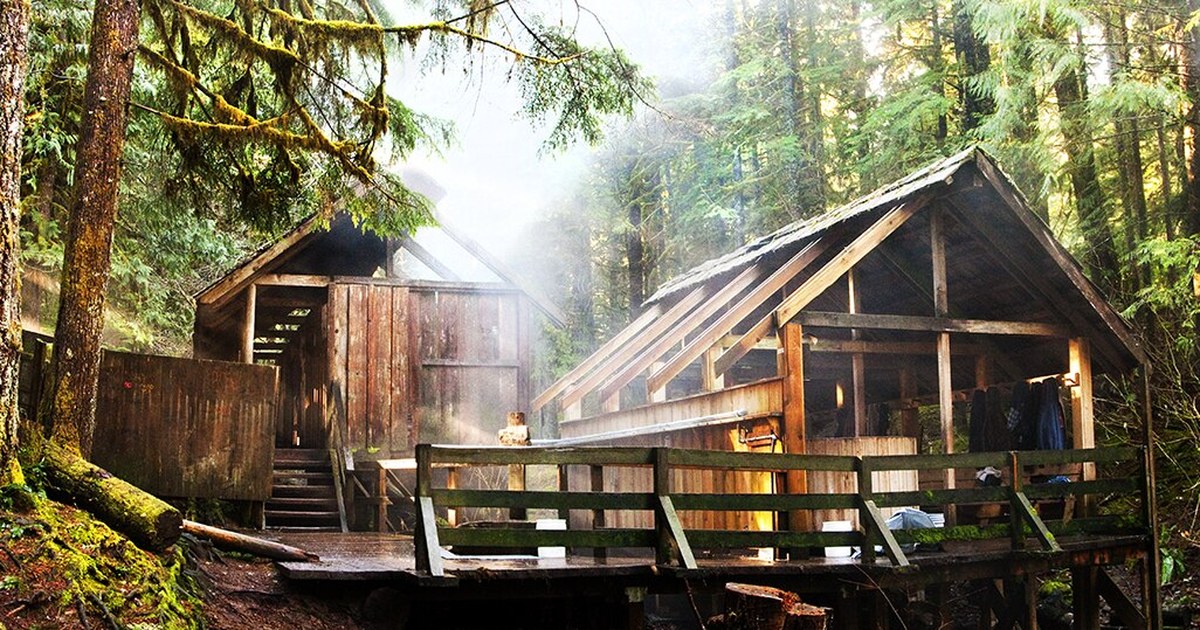
Oregon is one of the best states in the country for hot springs, because it has both kinds: quiet forest pools reached on foot and full-service resorts where you can soak, eat and sleep without driving anywhere. This guide maps 102 Oregon springs from USGS data, from the Cascade Range to the high desert of the east. Four additional thermal sources in the dataset are classed as hazards and are left out of this guide entirely, so everything listed here is a real place you can plan around.
Most Oregon soaks sit in two very different landscapes. The western Cascades hold the forest springs: Bagby, Umpqua, McCredie, Belknap and Cougar Reservoir, all tucked into national forest land within reach of Portland, Eugene or Bend. Eastern Oregon is high desert country, where wide-open sites such as Alvord and Crane sit under big skies and a long way from the nearest town. Between the two, central Oregon around Bend has resort-style pools that work well for a first trip.
One thing to know before you pick a spring: the temperatures in this guide are source temperatures, measured where the water comes out of the ground. Pools and tubs usually run cooler, because the water cools as it flows and mixes with cold water. A source listed at 160 degrees is not a 160-degree pool. Always check current conditions before you visit, since access, fees and facilities change with the seasons.
Planning an Oregon soak trip? Compare places to stay across the state before you pick a spring.
We may earn a commission if you book through the links on this page, at no extra cost to you. That commission helps keep this guide free.
How to use this guide
Start with the table below for the best-known springs, then open the interactive US hot springs map to see every Oregon spring by location. Individual spring pages with directions, access notes and photos will link from this hub as they publish. Gateway cities matter in Oregon: Portland covers the northern Cascades, Eugene covers the southern Cascades, and Bend covers central Oregon and the high desert. Boise, Idaho is the closest large city for the far eastern springs.
Best-known Oregon hot springs
These twelve are the names that come up again and again for Oregon, and they cover the full range of the state: forest bathhouses, resort pools and desert soaks. Temperatures are source temperatures from USGS data. Distances are road miles to the nearest gateway city in our dataset.
| Spring | Source temp | Nearest gateway |
|---|---|---|
| Bagby Hot Springs | 136°F | Portland, 47 miles |
| Umpqua Hot Springs | 117°F | Eugene, 64 miles |
| Breitenbush Hot Springs | 198°F | Bend, 60 miles |
| Belknap Springs | 160°F | Bend, 38 miles |
| McCredie Springs | 163°F | Eugene, 46 miles |
| Cougar Reservoir Hot Springs | 111°F | Eugene, 43 miles |
| Alvord Hot Springs | 174°F | Boise, Idaho, 139 miles |
| Summer Lake Hot Spring | 109°F | Bend, 98 miles |
| Crane Hot Springs | 172°F | Boise, Idaho, 123 miles |
| East Lake Hot Springs | 144°F | Bend, 24 miles |
| Antelope Hot Springs | 104°F | Bend, 135 miles |
| Wall Creek Warm Springs | 106°F | Eugene, 42 miles |
Cascade forest soaks
The Cascade springs are the classic Oregon experience: old-growth forest, a trail walk, and rustic tubs. Bagby Hot Springs, in the Mount Hood National Forest southeast of Portland, is the best documented of them. Three major springs feed bathhouses with hand-hewn cedar log tubs, and the largest spring flows at 138 degrees at the source. Reaching Bagby means a 1.5-mile trail walk from a Forest Service parking area, with only about 200 feet of elevation gain, so the hike is easy but the site is not roadside. There is a per-person soaking fee, paid in cash at the trailhead or by card at the Ripplebrook store on the way in. Camping is not permitted at the springs or along the trail, alcohol is prohibited, and nudity is allowed only inside the bathhouses. Two of the three bathhouses are open; the main private-room bathhouse is closed for safety reasons. Summer weekends and holidays can be busy, and waits for a tub vary with the crowd.
South of Bagby, the same forest belt holds Umpqua Hot Springs near the North Umpqua River, McCredie Springs and Cougar Reservoir Hot Springs near Oakridge and the McKenzie River, and Belknap Springs. These are the springs to look at if you want a forest soak within a day trip of Eugene. Belknap and Breitenbush lean more developed, with lodges and resort facilities, while McCredie and Cougar Reservoir are simpler. Check the managing agency page for each spring before you go, because forest sites change with road conditions, fire season and maintenance closures.
Central Oregon and the high desert
Central Oregon is the practical base for a first hot springs trip. Bend sits within an hour of East Lake Hot Springs and Belknap Springs, and within reach of Summer Lake Hot Spring to the southeast. The resort-style pools here are the easiest option if you want a soak without a hike, a fee box and a wait for a tub.
Farther east, the landscape opens up and the springs get wilder. Alvord Hot Springs sits at the edge of the Alvord Desert, a dry lakebed basin in the far southeast corner of the state, and Crane Hot Springs sits in the same high desert region. These are long drives from any large city, which is part of their appeal and also the reason to plan fuel, water and an overnight stop. Antelope Hot Springs, also in the east, is a milder 104-degree source and a good example of how much Oregon varies: the same state holds near-boiling sources and gentle warm springs within a few hours of each other.
Planning an Oregon hot springs trip
Pick your base first, then your springs. Portland works for Bagby and the northern Cascades. Eugene works for Umpqua, McCredie, Cougar Reservoir and Wall Creek. Bend works for East Lake, Belknap, Summer Lake and the central resorts. For Alvord and Crane, plan around Burns or Ontario, or come in from Boise, and treat the drive as part of the trip.
Seasons change the experience more than most visitors expect. Forest roads in the Cascades can close or go unmaintained in winter, and some sites are only reachable when the roads are clear. The Bagby day-use area and campground stay open as long as the site is accessible to hosts and managers, but once roads become impassable the site is no longer maintained until spring. Summer brings the biggest crowds to the well-known forest springs, so weekday visits and shoulder seasons are calmer. No matter the season, check the current conditions with the Forest Service or the resort before you leave, and carry what you need: remote eastern sites have long gaps between services.
Safety follows the same rule across the state. Source temperatures above 115 degrees can scald, and several Oregon sources run far hotter than that, including Breitenbush at 198 degrees, Alvord at 174 degrees and Crane at 172 degrees. Never assume a source pool is safe to enter. Soak only in developed pools and tubs where the water temperature is managed, test the water before getting in, and keep children close. If a spring has no managed pool, treat it as a place to look at, not a place to soak.
Oregon hot spring temperature guide
Source temperatures in this guide are grouped the way soakers actually feel them. Lukewarm sources under 95 degrees are pleasant on a hot day but will not feel like a hot soak. The classic soaking range runs from the high 90s to about 110 degrees. Sources from 111 to 130 degrees feed the tubs and pools most visitors enjoy, once the water has cooled or been mixed. Anything above 130 degrees at the source is very hot water that must be cooled before it is safe, and several Oregon sources fall in this range. The table above gives the source number for each spring; the pool you step into will read lower.
Etiquette and Leave No Trace
Hot springs etiquette is simple and it matters more at the popular forest sites, where a handful of tubs serve a lot of visitors. Soak quietly, keep your visit to a reasonable length when others are waiting, and leave the tubs as you found them. At Bagby, the Forest Service asks visitors to empty their tub and refill it half full, so the water cools for the next bather. Pack out everything you bring in, including trash, and never leave glass, food waste or personal items at a spring. Stay on trails and out of closed bathhouses, respect nudity rules where they apply, and remember that many Oregon springs sit on national forest or tribal land where the managing agency sets the rules. A clean, quiet soak is what keeps these places open.
Frequently asked questions
Do I need reservations for Oregon hot springs?
It depends on the spring. Developed resorts and lodges usually take reservations and often require an overnight stay for day use. Forest-service sites such as Bagby work on a first-come, first-served basis for tubs, so you may wait on busy weekends. Check the specific spring before you go rather than assuming one rule for the whole state.
Are Oregon hot springs open in winter?
Many are, but winter access is the limiting factor. Forest roads in the Cascades can close in snow, and sites that depend on those roads may be unmaintained until spring. Resorts with plowed access stay open year round. Check road conditions and the site’s current status before a winter trip, and do not drive forest roads once they are snow covered.
Which Oregon hot spring is best for families?
Families usually do best at developed resort pools, where the water temperature is managed, there are amenities, and the rules are clear. Summer Lake, Belknap and Breitenbush are resort-style options. Forest sites with unmanaged water and first-come tubs suit older children and adults who are comfortable with rustic facilities and waits.
Can you camp at Oregon hot springs?
Rules vary by site, so check before you pack a tent. At Bagby, camping is not permitted at the springs or along the trail, although there is a campground near the trailhead. Many forest springs have the same pattern: camp at a designated campground nearby, not at the pools. Resort springs usually pair with lodging rather than camping.
How many hot springs are in Oregon?
This guide maps 102 Oregon springs from USGS data, covering the full range from lukewarm seeps to near-boiling sources. Four additional thermal sources in the dataset are classed as hazards and are excluded from the guide. Individual spring pages with directions and access notes will link from this hub as they publish.
Source temperatures are measured at the spring source; pools and developed areas usually run cooler. Always check current conditions before visiting.