Things to do in Tenerife cover far more than one beach resort. This is the largest of the Canary Islands, with a volcanic mountain in the centre, black sand beaches in the north, golden resort beaches in the south, and villages that feel a world away from the holiday strips. This guide covers the island as a whole, with the south resorts as one part of it, so you can plan a first trip that mixes the famous sights with the quieter corners.
North vs south: the choice that shapes your trip
The first choice in Tenerife is north or south, because the two sides feel like different islands. The south, around Los Cristianos, Playa de las Américas, and Costa Adeje, is drier, sunnier, and built for holidays, with resort hotels, beaches, restaurants, and nightlife close together. The north, around Puerto de la Cruz and Santa Cruz, is greener, cooler, and more local, with older towns, black sand beaches, and a working island feel. If you want sun and convenience, base yourself in the south. If you want greenery and local life, base yourself in the north. Many first trips split the stay, with a few days in each, and that works well if you hire a car.
Teide and the centre of the island
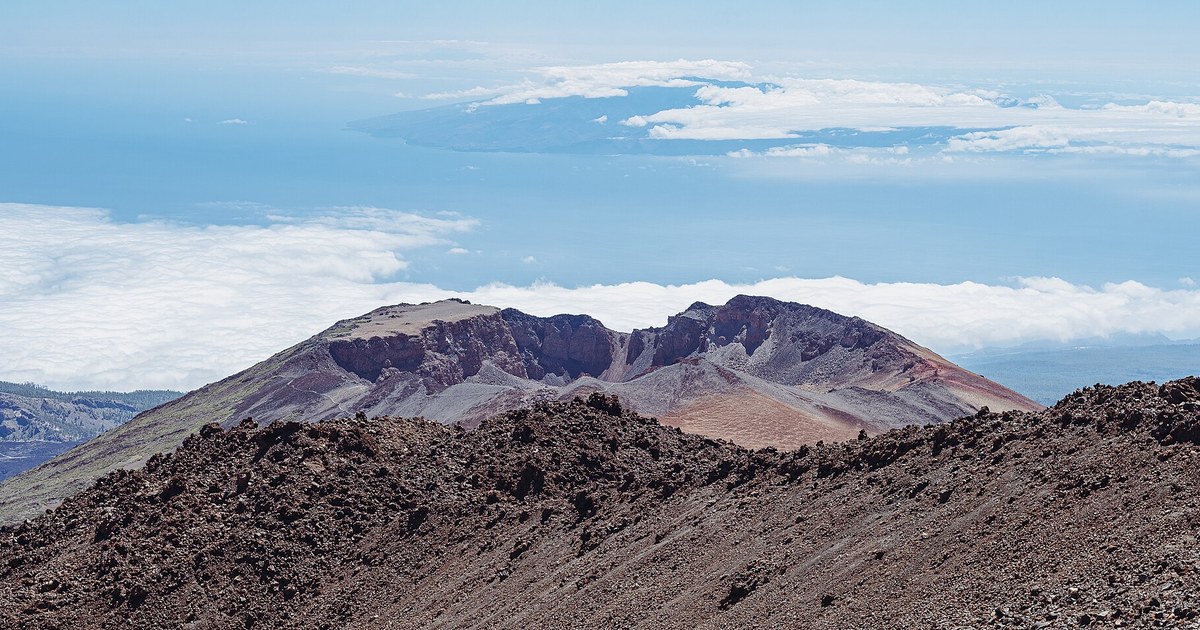
Teide, the volcano at the centre of Tenerife, is the island’s defining sight. Teide National Park covers a high volcanic landscape of lava fields, rock formations, and pine forest, and on a clear day the views stretch across the island and out to sea. You can drive into the park, walk short trails near the visitor areas, or take the cable car up toward the summit area. The summit itself needs a permit, so plan ahead if that is your goal, and do not assume you can walk to the top on the day.
Weather at Teide is very different from the coast. It is colder and windier up high, even in summer, and cloud can sit on the mountain while the coast stays sunny. Bring a warm layer, check conditions before you drive up, and start early, because the park is busiest in the middle of the day. In winter, the mountain can hold snow, which is a striking sight from a warm beach below, but it also means road conditions can change at short notice.
Beaches: black sand in the north, golden sand in the south
Tenerife beaches fall into two kinds, and the difference matters for planning. The north has natural black sand beaches, formed from volcanic rock, with Atlantic waves and a wilder feel. Playa Jardín in Puerto de la Cruz is the best known, with gardens behind the sand and a town within walking distance. Las Teresitas, near Santa Cruz, is the exception in the north: a long golden sand beach, popular with locals at weekends.
The south has the resort beaches most visitors picture: wide, golden, and backed by promenades, restaurants, and hotels. Los Cristianos beach is calmer and more family friendly, Playa de las Américas is livelier and busier, and the beaches around Costa Adeje, including Playa del Duque, are more upscale and quieter. Sea conditions vary by beach and by day, so check local flags and warnings before swimming, especially on the north coast, where waves can be strong.
South resorts: Los Cristianos, Playa de las Américas, and Costa Adeje
These three resorts run into each other along the south coast, and together they form the main holiday base on the island. Los Cristianos keeps the most of its old fishing village character, with a harbour, a promenade, and a calmer pace. Playa de las Américas is the liveliest of the three, with the most nightlife, bars, and entertainment, and it suits visitors who want a busy evening scene. Costa Adeje is the most upscale, with larger resort hotels, quieter beaches, and a more relaxed feel, and it suits families and couples who want comfort without the party strip.
Staying in the south works well as a base for day trips, because the main road runs along the coast and up toward Teide, and the south airport is close by. It also works well without a car, because buses connect the resorts to the main sights, though a car gives you far more freedom in the north and the centre. Choose Los Cristianos for a calmer stay, Playa de las Américas for nightlife, and Costa Adeje for a quieter resort base, and do not expect the three to feel the same, even though they sit side by side.
Puerto de la Cruz and the green north
Puerto de la Cruz is the north’s main resort town, and it is a good counterweight to the south. It has an old town with narrow streets, a harbour, and a livelier local life than the south resorts, plus black sand beaches and gardens. From here you can reach the green Anaga mountains in the northeast, with laurel forest and walking trails, and the town of La Orotava, with historic houses and a viewpoint over the valley. The north is wetter and greener than the south, so pack a light waterproof layer even in summer, and expect cloud on some days.
Family parks and days out
For families, Tenerife has two big parks that most first trips include. Siam Park, in Costa Adeje, is a Thai themed water park, and Loro Parque, in Puerto de la Cruz, is a zoo and animal park with shows and gardens. Both are full day outings, so plan one per day rather than trying to fit both into a single day. Book tickets ahead in peak season, because queues build up, and check opening times on the day, because they vary by season. Neither park is a substitute for the island itself, so balance a park day with a beach day and a Teide day.
Other days out that suit families and adults alike include whale and dolphin watching trips from the south coast, where sightings are common but never guaranteed, and a visit to the pyramids of Güímar, a small archaeological site in the east that sparks debate about its origins. For a quieter day, the villages of Masca, in the northwest, and Garachico, on the north coast, offer dramatic scenery and a slower pace, though Masca’s narrow road needs careful driving.
Hiking and the outdoors
Hiking in Tenerife ranges from easy coastal walks to serious mountain trails. The Anaga mountains in the northeast offer forest walks with sea views, and Teide National Park offers high altitude trails with volcanic scenery. The Masca Gorge walk, in the northwest, is the best known challenge, with a steep descent to the sea, and it needs planning, proper footwear, and a check on current access rules, because the route has been managed and restricted at times. For easier walks, the coastal promenades in the south and the gardens in Puerto de la Cruz give you scenery without a mountain climb.
Whatever you hike, bring water, sun protection, and a layer for wind, because conditions change fast with altitude. Do not hike in trainers on mountain trails, and do not start a long walk late in the day, because daylight and weather both matter more than distance on paper. If you are unsure about a route, ask at a visitor centre or join a guided walk for your first mountain day.
Nightlife and evenings
Tenerife nightlife is concentrated in Playa de las Américas, with bars, clubs, and live music, and it is the liveliest evening scene on the island. Los Cristianos and Costa Adeje offer a quieter evening, with restaurants and bars along the promenade, and Puerto de la Cruz offers a more local evening, with tapas bars and a town square feel. If nightlife is not your priority, the south resorts still give you plenty of evening choice, but you can also escape it by staying in Costa Adeje or the north, where evenings are calmer.
Where to stay, in short
Where to stay in Tenerife depends on the trip you want. South resorts suit sun, convenience, and nightlife, with Los Cristianos calmest, Playa de las Américas liveliest, and Costa Adeje most upscale. Puerto de la Cruz suits a greener, more local stay, and Santa Cruz suits a city base with a beach nearby. A full where to stay guide, with areas compared in detail, is a separate post in the banked list, and this section is only a starting point for choosing a base.
Practical tips for a first trip
A car makes the biggest difference in Tenerife, because buses cover the main routes but not the mountain villages and remote beaches. Hire a car for at least part of your stay, and book ahead in peak season, because rental cars sell out. Drive carefully in the mountains, where roads are narrow and winding, and allow more time than a map suggests. For the south resorts and the main sights, buses are a good backup, and the south airport is close to the resorts, while the north airport serves the north coast.
Tenerife is warm all year, which is why it draws winter visitors, but it is not the same in every month. Summer is hottest and busiest, winter is mild and quieter, and spring and autumn offer a balance of warmth and fewer crowds. Pack sun protection and a warm layer for Teide in every season, and a light waterproof layer for the north. No single month suits every traveller, so choose by what matters most to you: sun, crowds, or walking conditions.
Frequently asked questions
Is Tenerife better in the north or the south?
It depends on what you want. The south is drier, sunnier, and built for holidays, with resort beaches and nightlife. The north is greener, cooler, and more local, with black sand beaches and older towns. Many first trips split the stay between the two.
How many days do I need in Tenerife?
Five days is a good length for a first visit, covering Teide, the south resorts, and one north town. Three days is enough for the south resorts and Teide. Less than three days is only enough for one base, not the whole island.
Do I need a car in Tenerife?
A car is not essential, but it makes the biggest difference, because buses cover the main routes but not the mountain villages and remote beaches. Hire a car for at least part of your stay, and book ahead in peak season.
What is the best time to visit Tenerife?
Tenerife is warm all year, so there is no bad month, only a best fit. Summer is hottest and busiest, winter is mild and quieter, and spring and autumn offer a balance of warmth and fewer crowds. A full best time guide is banked as a separate post.
Are the south resorts all the same?
No. Los Cristianos is calmest and keeps the most fishing village character, Playa de las Américas is liveliest with the most nightlife, and Costa Adeje is most upscale and quietest. They sit side by side, but they feel different.
Final thoughts
Things to do in Tenerife are best planned island-wide, not resort by resort. Start with Teide, add beaches north and south, pick a base that matches your pace, and leave room for a quiet village or a mountain walk. That balance is what turns a beach holiday into a trip that shows you the whole island.