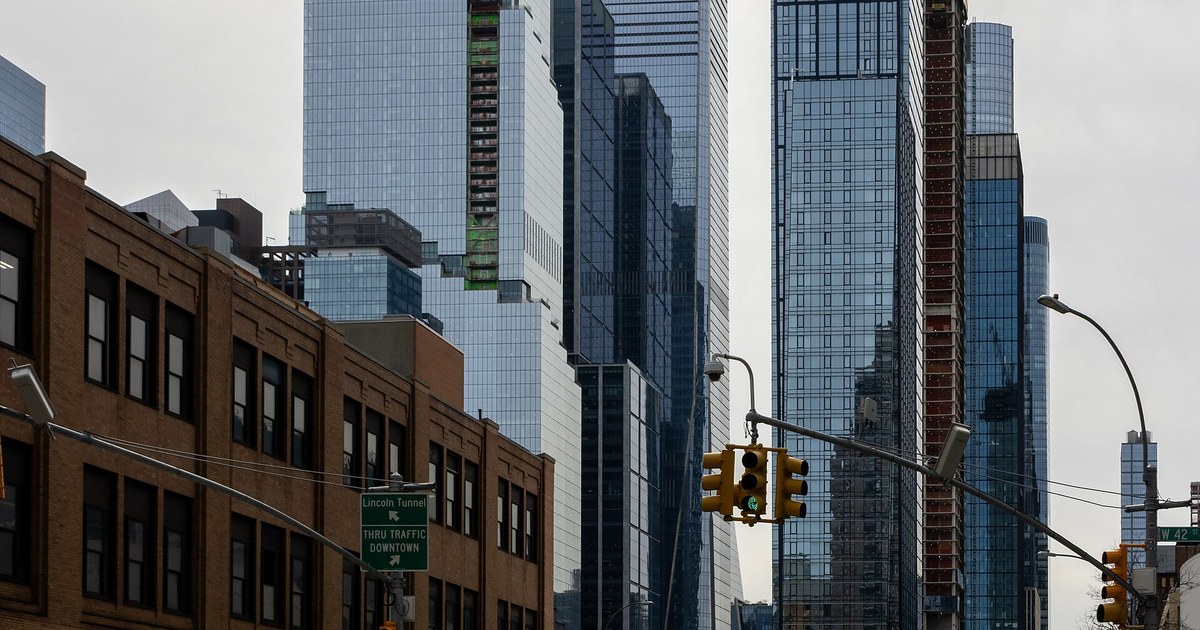
Things to do in New York City can fill a week without repeating a sight, because one city holds world famous landmarks, great museums, a huge park, lively neighbourhoods, and food from every part of the world. The trick on a first visit is not to chase every famous name. Group sights by area, give the Statue of Liberty and the big museums a full morning each, and leave the smaller museums and boroughs for a return visit. This guide gives you the core sights in an order that makes sense, with a 3-day plan, free sights, and practical tips.
Statue of Liberty and Ellis Island
Start with the Statue of Liberty, because it is the symbol most visitors picture first and because it needs the most planning. The statue stands on Liberty Island, and the only way to reach it is by ferry, which also stops at Ellis Island, where millions of immigrants first arrived in America. The ferry ride itself gives you views of the Manhattan skyline and the harbour, and Ellis Island, with its immigration museum, is worth as much time as the statue.
Book ferry tickets ahead, because same day tickets, especially for the pedestal and crown, sell out early, and security checks take time. Arrive early in the morning for the quietest experience, and allow a full morning for both islands. If you only want a view of the statue, the Staten Island Ferry, which is free, passes close by without stopping, and it is a good option for a first evening, though it does not replace a visit to the islands themselves.
Lower Manhattan: history and viewpoints
Lower Manhattan, around the ferry terminal, is the oldest part of the city and a good place to spend the rest of your first day. The 9/11 Memorial, with its two reflecting pools, is a moving place to visit, and the nearby museum tells the story in detail. Wall Street and the Financial District, with their narrow streets and old buildings, give you a sense of the city’s history, and the view from the waterfront, across the harbour to Brooklyn, is one of the best in the city.
Observation decks are another Lower Manhattan and Midtown option, with views over the whole city. Choose one deck rather than trying to visit several, because the views are similar and the time is better spent on the streets below. Go early or late in the day for the clearest light and the shortest queues, and book ahead if you want a specific time.
Midtown landmarks: Empire State Building and Times Square
Midtown Manhattan holds the landmarks most visitors know from films and photographs. The Empire State Building, with its Art Deco lobby and observation decks, is the classic Midtown viewpoint, and it is best visited early or late in the day, when the queues are shorter. Times Square, with its bright signs and crowds, is worth a short visit, especially at night, but it is not a place to spend a whole afternoon. See it, enjoy the energy, and move on to a quieter street.
Fifth Avenue, with its shops and churches, runs through Midtown and is a good walking route between landmarks. St Patrick’s Cathedral, Rockefeller Center, and Grand Central Terminal are all close together, and each is worth a short stop. Grand Central, in particular, is a beautiful building to walk through, with its main concourse, food hall, and whispering gallery, and it is free to enter.
Museums: the Met and the American Museum of Natural History
New York City museums could fill a trip on their own, so choose two and do them well, rather than trying to visit many. The Metropolitan Museum of Art, on the edge of Central Park, is one of the largest museums in the world, with collections from ancient Egypt to modern art. Pick a wing or two in advance, because trying to see the whole museum in one visit is not realistic.
The American Museum of Natural History, on the west side of Central Park, is the other classic first-visit museum, with dinosaur halls, ocean halls, and a planetarium. It works well for families and for visitors who prefer science to art. Both museums are large and busy, so arrive early, book ahead if you can, and allow a full morning for each. Other museums, like the Museum of Modern Art and the Whitney, are excellent, but they belong on a return visit, not squeezed into a first trip.
Central Park: walks, picnics, and viewpoints
Central Park, in the middle of Manhattan, is the best break from sightseeing in the city. It is large enough to feel like an escape, with lakes, woods, meadows, and paths, yet it is close to the museums and Midtown landmarks. Walk the Mall, with its elm trees, visit Bethesda Terrace and Fountain, and climb to Belvedere Castle for views over the park and the city.
Central Park works best as a slow morning or afternoon, with a picnic, a rowboat on the lake in good weather, or a walk through the Ramble, a wooded area that feels far from the city. Walking on your own, with a map, gives you more freedom to stop where you like.
Neighbourhoods: SoHo, Brooklyn, and Harlem
New York City neighbourhoods each have their own character, and visiting a few is the best way to understand the city beyond the landmarks. SoHo, with its cast iron buildings, galleries, and shops, is a good place for a slow afternoon of walking and browsing. Brooklyn, across the East River, is a borough in its own right, with Williamsburg for food and street life, Brooklyn Heights for views of Manhattan, and the Brooklyn Bridge as a walk in itself. Walking the Brooklyn Bridge, early in the morning before the crowds, is one of the best free experiences in the city.
Harlem, in upper Manhattan, has a rich cultural history, with jazz clubs, gospel churches, and historic streets, and it is worth a guided visit if you want to understand its story. Queens, with its diverse food and neighbourhoods, is another borough worth a short visit, especially for food, though it deserves its own guide rather than a rushed stop. For a first visit, choose two or three neighbourhoods and spend time in them, rather than trying to cover every borough.
Broadway: how to choose a show
Broadway is the theatre district in Midtown, and seeing a show is a classic New York City experience. Choose a show based on what you enjoy, whether it is a musical, a play, or a comedy, rather than choosing the most famous name without checking what it is about. Book ahead for popular shows, because same day tickets are limited and often in less good seats, though last minute ticket booths in Times Square can work for less popular shows.
Allow time to get to the theatre, because Midtown is busy in the evening. A show is a good evening activity after a day of sightseeing, and it pairs well with dinner in Midtown or in a nearby neighbourhood.
Food: a short guide, not a restaurant list
New York City food is one of the best parts of a visit, but it deserves its own guide, not a list in a city hub post. Street food, with hot dogs, pretzels, and food trucks, is a quick and cheap option, and bagels, pizza by the slice, and deli sandwiches are classic New York foods worth trying. For a fuller guide to eating well without spending a lot, see our best cheap eats in NYC post, which covers the places and dishes in detail.
Free sights in New York City
Free sights in New York City are plentiful, and they are not just filler. Central Park, the High Line, a former elevated railway turned into a park, and the Staten Island Ferry, with views of the Statue of Liberty, are all free. Walking the Brooklyn Bridge, visiting Grand Central Terminal, and exploring neighbourhoods like SoHo and Williamsburg cost nothing. Many museums have free or pay what you wish hours on certain days, but check before you go, because the rules change and not every museum offers them.
Do not assume a site is free just because it is famous. The Statue of Liberty ferry, observation decks, and most museums are ticketed, so check before you go and plan your free days around parks, bridges, neighbourhoods, and viewpoints, which are genuinely free and genuinely enjoyable.
A 3-day plan for a first visit
Day 1 is Lower Manhattan. Start early at the Statue of Liberty and Ellis Island, spend the afternoon in Lower Manhattan, and finish with a walk along the waterfront. Day 2 is Midtown and Central Park. Start at the Empire State Building or an observation deck, walk Fifth Avenue and Grand Central, visit one big museum, and spend the afternoon in Central Park. Day 3 is neighbourhoods and Brooklyn. Start in SoHo, walk the Brooklyn Bridge, spend the afternoon in Brooklyn Heights and Williamsburg, and finish with a Broadway show in the evening.
If you have only 2 days, cut day 3 and keep the Lower Manhattan and Midtown days, with Brooklyn on the evening of day 2 if you have time. If you have only 1 day, choose Lower Manhattan in the morning and Midtown in the afternoon, and save the museums and Brooklyn for a return visit. Trying to fit the Statue of Liberty, two museums, Central Park, and Brooklyn into one day is a common mistake, and it leaves you tired without enjoying any of them properly.
Practical tips: crowds, walking, and safety
New York City is walkable in Manhattan, and walking is the best way to see it, because the sights are close together and the streets between them are part of the experience. Wear comfortable shoes, because you will walk a lot, and use the subway for longer distances, like Lower Manhattan to upper Manhattan, rather than trying to walk the whole island. The subway is fast and cheap, but check the line and direction before you board, because express and local trains share tracks.
For crowds, the rules are simple. Book the Statue of Liberty ferry and popular museums ahead, arrive early or late in the day, and avoid the middle of the day in summer, when the heat and the crowds are at their worst. Weekdays are usually quieter than weekends. For safety, the main risks in central New York City are pickpockets in crowded areas and around transport, so keep bags in front of you, do not display expensive phones in a crowd, and be careful in less busy areas at night. That advice, followed consistently, covers most situations.
Frequently asked questions
How many days do I need in New York City?
Three days is a good length for a first visit, covering Lower Manhattan, Midtown and Central Park, and neighbourhoods and Brooklyn. Two days is enough for the highlights in Manhattan. One day is only enough for Lower Manhattan and Midtown, not the whole city.
Is New York City walkable?
Yes, in Manhattan. The main sights are close together, and walking is the best way to see them. Use the subway for longer distances, like Lower Manhattan to upper Manhattan, rather than walking the whole island.
What is free in New York City?
Central Park, the High Line, the Staten Island Ferry, the Brooklyn Bridge walk, and Grand Central Terminal are free. Many museums have free or pay what you wish hours on certain days, but check before you go. The Statue of Liberty ferry, observation decks, and most museums are ticketed.
Do I need to book the Statue of Liberty in advance?
Yes. Ferry tickets, especially for the pedestal and crown, sell out early, and security checks take time. Book ahead, arrive early in the morning, and allow a full morning for both Liberty Island and Ellis Island.
Is 1 day in New York City enough?
One day is enough for a taste, not the whole city. Choose Lower Manhattan in the morning and Midtown in the afternoon, and save the museums and Brooklyn for a return visit. Trying to fit everything into one day leaves you tired without enjoying any of it properly.
Final thoughts
Things to do in New York City are best enjoyed in area order, not by fame. Start with the Statue of Liberty and Lower Manhattan, give Midtown and Central Park a full day, spend time in neighbourhoods and Brooklyn, and leave time for food and Broadway. Book the ferry and museums ahead, use the free sights to balance the ticketed ones, and follow the 3-day plan if you have the time. That is how a first visit becomes a trip you want to repeat, not a list you rushed through.