Renting a car in Morocco is the single best decision for travelers who want the country on their own timeline: the High Atlas passes, the Draa Valley, the Atlantic coast road between Agadir and Essaouira. Trains are good between big cities, but they do not reach Chefchaouen, the Sahara, or Essaouira. A car does. These 11 tips cover the requirements, the money traps, and the driving realities, so you sign the contract informed instead of hopeful.
1. Check the Requirements Before You Book
You must be at least 21 years old, and most companies require your license to have been held for at least one year (some ask for two). Bring your physical license and your passport. Whether you need an International Driving Permit depends on your nationality: US, UK, and EU licenses are generally accepted on their own, but travelers from some countries need the IDP, and some rental desks ask for it regardless. Getting one before you fly is cheap insurance against a refused pickup.
2. Book Ahead and Pick Up at the Airport
International chains (Hertz, Avis, Europcar) and solid local agencies all have desks at the major airports. Marrakech airport is where most travelers start; Casablanca, Agadir, Tangier, Rabat, and Fes all have good pickup options too. Book ahead in high season (spring and autumn) when automatics sell out first. Most Moroccan rentals are manual; if you need an automatic, reserve early and expect to pay more.
3. The Deposit and the Excess Are Two Different Numbers
This is the most misunderstood part of renting a car in Morocco. The security deposit (the hold placed on your card at pickup) and the insurance excess (what you pay if the car is damaged) are separate figures, and both can be large. Know both numbers before you sign. Keep the signed condition report and the final receipt until the deposit hold fully disappears from your card, which can take weeks.
4. Bring a Credit Card, Not a Debit Card
Many Moroccan rental stations will not accept a debit card for the security deposit: they need a true credit card to place the hold. Travelers get refused at the counter over this regularly. Confirm the station’s payment rules before you book, especially with local agencies. A small number of no-deposit agencies exist, but they are the exception.
5. Photograph Everything Before You Drive Off
Before leaving the lot, photograph every panel, wheel, tire, window, and the fuel gauge, plus the interior. Damage disputes are the most common rental complaint in Morocco, and time-stamped photos are your only defense. Check the spare wheel, the jack, and the tools while you are at it. Ten minutes here saves ten days of arguing later.
6. Your Car Probably Runs on Diesel
Most economy and mid-range rentals in Morocco run on diesel, called “gasoil” locally. Always check the sticker inside the fuel flap before your first fill-up; putting petrol in a diesel engine ruins the trip and your deposit. Fuel is notably cheaper than in Europe, which is one reason road-tripping Morocco is such good value.
7. Understand the Insurance Before Declining It
Basic third-party liability is legally required and included in every rental. The question is the Collision Damage Waiver (CDW), which reduces your excess if the car is damaged. Many credit cards include rental car coverage that makes the counter CDW unnecessary, but Morocco is one of the countries some card policies exclude, so check your specific policy in writing before declining. Never assume.
8. Pick the Right Vehicle: 2WD vs SUV vs 4×4
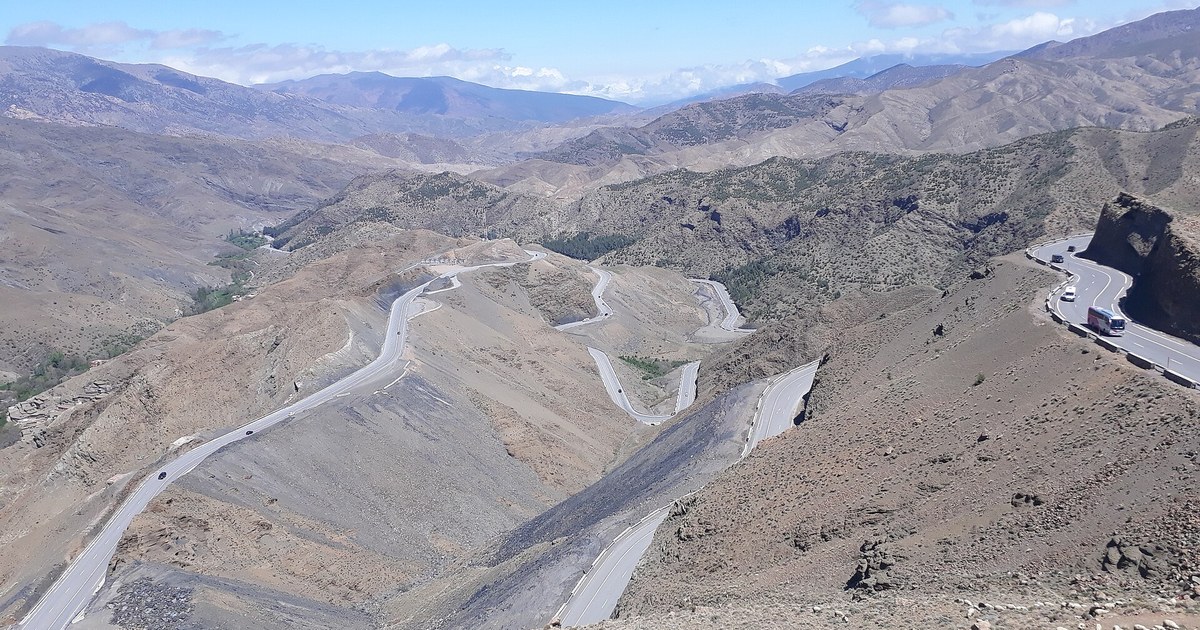
A standard 2WD car handles the vast majority of Moroccan itineraries: cities, the Atlas highways, the coast. A small SUV is the best compromise for comfort on mountain roads and rough shoulders. A true 4×4 is only worth the significant extra cost if your route includes remote desert pistes, deep sand, or difficult mountain tracks. Do not pay for capability you will not use.
9. Tolls Take Cash in Dirhams
The autoroute network (notably the Casablanca-Marrakech-Agadir axis) charges tolls, and cash in Moroccan dirhams is the reliable way to pay. Keep small notes handy. Toll booths are frequent enough that running out of cash mid-motorway is an avoidable stress.
10. Never Drive Inside the Medinas (and Watch Your Speed)
The old medinas of Marrakech and Fes are labyrinthine, partly pedestrian, and emphatically not for rental cars. Park outside and walk or taxi in. Out on the open road, Morocco has an active traffic police presence and speed limits are enforced, including with radar. Livestock on rural roads after dark is a real hazard; plan to arrive before sunset.
11. Where to Pick Up: City by City
Marrakech: the main gateway. Airport pickup is straightforward, but do not drive into the medina; arrange your riad’s parking or a transfer for the first night. Casablanca: best for itineraries heading north to Rabat and Tangier. Agadir: ideal for the southern coast and the Anti-Atlas. Tangier: the choice if you are ferrying in from Spain. Fes: good for the middle Atlas and Chefchaouen loops. One-way drop-offs between cities are possible but carry a fee; price it before committing.
The Routes That Justify the Rental
Three loops make the strongest case for renting. The classic south: Marrakech over the Tizi n’Tichka pass to Ait Benhaddou, through the Dades Valley to Merzouga and the Erg Chebbi dunes, three to four days. The north: Fes to Chefchaouen and the Rif mountains, two days. The coast: Agadir to Essaouira and up to El Jadida, two to three lazy days. All three are awkward or impossible by train, which is precisely why the car earns its keep.
What About Crossing Borders?
Standard Moroccan rental agreements forbid taking the car across international borders. If your itinerary includes the Spanish enclaves or a ferry hop, confirm in writing; the default answer is no.
Frequently Asked Questions
Can I rent a car in Morocco with a US license?
Yes. A valid US license is generally accepted; an International Driving Permit is recommended as backup since some desks ask for it.
What is the minimum age to rent a car in Morocco?
21 years old at most companies, with the license held for at least one year.
Do I need a credit card to rent a car in Morocco?
In most cases, yes. Debit cards are often refused for the security deposit hold.
Is it safe to drive in Morocco?
Yes, with care. Main roads are good, mountain passes are winding, traffic police enforce speed limits, and you should avoid rural roads after dark.
Should I get a 4×4 in Morocco?
Only for remote desert pistes or difficult tracks. A 2WD handles most itineraries; a small SUV is the best all-rounder.
Can I drive a rental car into the Sahara?
To gateway towns like Merzouga, yes on paved roads. Onto actual desert pistes, only with a 4×4 and the rental company’s written permission.
The Bottom Line
Renting a car in Morocco is straightforward once you know the three things that trip people up: the deposit hold needs a credit card, the excess is a separate number from the deposit, and your car probably takes diesel. Get those right, photograph everything, stay out of the medinas, and the country is yours.