Things to do in Rome can fill a week without repeating a sight, because the city layers ancient ruins, Renaissance art, lively neighbourhoods, and great food into a walkable centre. The trick on a first visit is not to chase every famous name. Group sights by area, give the Colosseum and the Vatican a full morning each, and leave the smaller museums and day trips for a return visit. This guide gives you the core sights in an order that makes sense, a 3-day plan, free sights, and the practical tips that help you avoid the busiest times.
Ancient Rome: Colosseum, Forum, and Palatine Hill
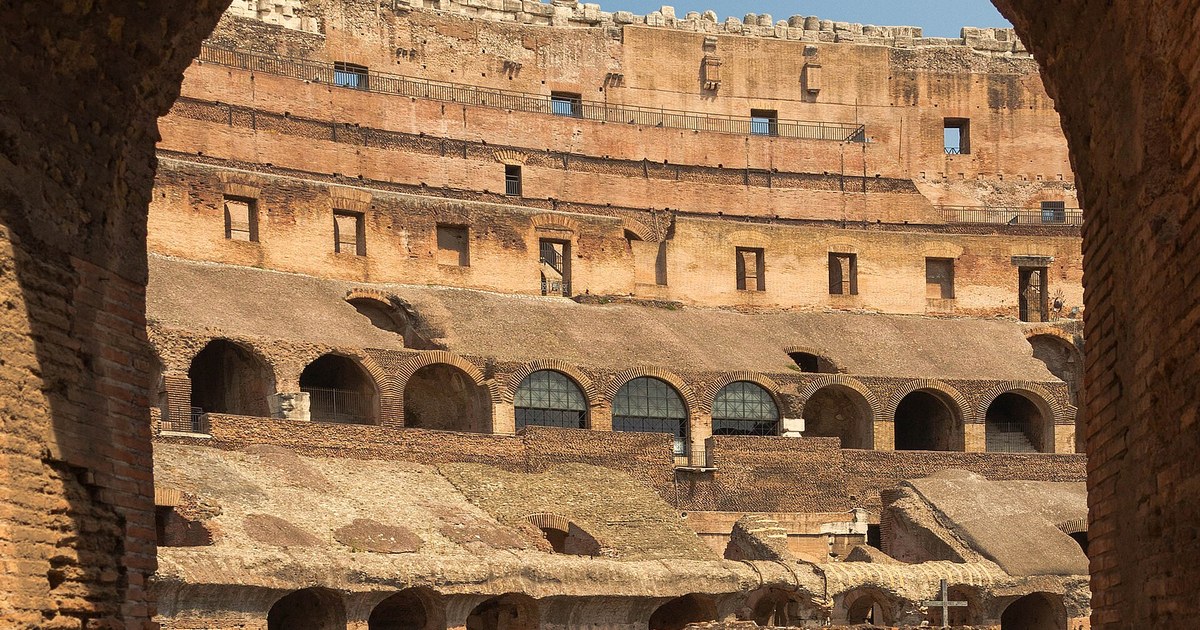
Start with ancient Rome, because it is the reason most people come and because it rewards an early start. The Colosseum is the largest ancient amphitheatre ever built, and it still dominates the area around it. Inside, you can see the arena floor, the seating levels, and the underground passages where gladiators and animals waited. Book ahead, because entry is timed and the queues for same day tickets are long, especially in summer.
Next door, the Roman Forum was the centre of public life in ancient Rome, with temples, basilicas, and market buildings spread across a valley between hills. It takes longer to understand than the Colosseum, because much of it is in ruins, so take time to walk slowly and read the signs, or use a guide if you want the stories behind the stones. Palatine Hill, above the Forum, was where Rome’s emperors lived, and it gives you views over both the Forum and the Circus Maximus. These three sites belong together in one morning, and they are best visited in that order, from the Colosseum through the Forum and up to the Palatine.
Pantheon, piazzas, and the Trevi Fountain
After ancient Rome, walk to the Pantheon, a temple built in Roman times that is still one of the best preserved buildings from that period. Its dome, with an open hole at the top called the oculus, is an engineering feat that builders studied for centuries. From there, the piazzas are the best way to enjoy Rome without a ticket. Piazza Navona, with its fountains and street artists, Campo de’ Fiori, with its daily market, and Piazza di Spagna, at the foot of the Spanish Steps, each have their own character, and walking between them is part of the pleasure.
The Trevi Fountain is the most famous fountain in Rome, and it is at its best early in the morning or late in the evening, when the crowds thin out. Throwing a coin into the fountain is a tradition said to ensure a return to Rome, and the area around it is busy at all hours, so do not plan a long, quiet visit there. See it, enjoy it, and move on to a quieter piazza for a coffee.
Vatican: museums, Sistine Chapel, and St Peter’s
The Vatican deserves a full morning on its own, separate from ancient Rome. The Vatican Museums hold one of the largest art collections in the world, and the route through them ends at the Sistine Chapel, with Michelangelo’s ceiling and Last Judgement. The museums are large and busy, so decide in advance whether you want to see the highlights or spend a full day there. A highlights route, with the Gallery of Maps and the Raphael Rooms on the way to the Sistine Chapel, works well for a first visit.
St Peter’s Basilica, next to the museums, is a separate visit. Entry to the basilica itself is free, though there are queues, and the interior, with Michelangelo’s Pieta and Bernini’s baldachin, is worth the wait. Climbing to the dome gives you views over St Peter’s Square and across Rome, but it involves many steps and is not for everyone. Dress modestly for both the museums and the basilica, with shoulders and knees covered, because the dress code is enforced. Book Vatican Museum tickets ahead, because same day entry is often sold out, and arrive early or late in the day for the quietest experience.
Trastevere: the neighbourhood to linger in
Trastevere, across the Tiber from the historic centre, is the neighbourhood where most first time visitors end up lingering longest. Its narrow streets, ivy covered buildings, and small piazzas feel more lived in than the grand centre, and it is full of trattorias, wine bars, and gelato shops. The Basilica di Santa Maria in Trastevere, with its medieval mosaics, is the main sight, but the real pleasure is wandering without a fixed plan.
Trastevere is best in the evening, when locals and visitors fill the piazzas and the restaurants open for dinner. Eat where the menu is in Italian first, with a short list of dishes, rather than where a tout is calling you in from the street. That simple rule will serve you well across Rome, not just in Trastevere.
Monti and Villa Borghese: quieter corners
Monti, near the Colosseum, is Rome’s oldest neighbourhood and a good contrast to Trastevere. Its streets are full of small shops, vintage stores, and artisan workshops, and it feels more local than the grand centre. It is a good place for a slow afternoon, with a coffee, a walk, and a look in the shops, rather than a list of sights to tick off.
Villa Borghese, the large park above Piazza del Popolo, is the best green escape in central Rome. The gardens are free to walk in, with paths, viewpoints, and a small lake with rowing boats. The Borghese Gallery, inside the park, holds a superb collection of sculpture and painting, but it needs a timed booking and is best visited separately from a park walk. If you only have time for one, choose the park walk for a break from sightseeing, and save the gallery for a return visit.
Food: Roman dishes, markets, and gelato
Roman food is simple, hearty, and worth planning around. Pasta dishes like cacio e pepe, carbonara, and amatriciana are Roman classics, and they taste best in a small trattoria rather than a restaurant with a long, tourist focused menu. Suppli, fried rice balls with a melted mozzarella centre, are a classic Roman street snack, and pizza al taglio, pizza sold by weight from a counter, is a good lunch option.
Markets are a good way to taste Rome without a formal meal. Campo de’ Fiori market, in the morning, and Testaccio Market, in a working class neighbourhood south of the centre, both offer fresh produce, street food, and a look at daily Roman life. For gelato, look for shops with a small range of flavours in covered metal tubs, rather than tall, brightly coloured displays, which usually mean artificial flavours. That rule, like the restaurant rule, will serve you well.
Free sights in Rome
Free sights in Rome are plentiful, and they are not just filler. Walking the piazzas, seeing the Trevi Fountain, and crossing the bridges over the Tiber cost nothing. Many churches are free to enter, including St Peter’s Basilica itself, though some charge for a dome climb, a museum, or a special area. The gardens of Villa Borghese are free to walk in. The Spanish Steps area and the views from the Pincio Terrace, above Piazza del Popolo, are free and are at their best at sunset.
Do not assume a site is free just because it is a church or a piazza. Some famous churches charge for a specific chapel, a crypt, or a museum section, and the Pantheon and the Colosseum are ticketed sites. Check before you go, and plan your free days around the piazzas, churches, parks, and viewpoints, which are genuinely free and genuinely enjoyable.
A 3-day plan for a first visit
Day 1 is ancient Rome. Start early at the Colosseum, walk through the Roman Forum, and climb Palatine Hill. In the afternoon, walk to the Pantheon, Piazza Navona, and the Trevi Fountain, and finish with dinner in Monti. Day 2 is the Vatican and Trastevere. Spend the morning in the Vatican Museums and Sistine Chapel, visit St Peter’s Basilica in the afternoon, and cross to Trastevere for the evening. Day 3 is neighbourhoods and food. Start in Monti, walk through Villa Borghese, visit a market, and spend the afternoon in Trastevere or Campo de’ Fiori, with gelato and a long lunch.
If you have only 2 days, cut day 3 and keep the ancient and Vatican days, with Trastevere on the evening of day 2. If you have only 1 day, choose ancient Rome in the morning and the Pantheon and piazzas in the afternoon, and save the Vatican for a return visit. Trying to fit the Colosseum, the Forum, the Vatican, and Trastevere into one day is a common mistake, and it leaves you tired without enjoying any of them properly.
Practical tips: crowds, walking, and safety
Rome is walkable in the centre, and walking is the best way to see it, because the sights are close together and the streets between them are part of the experience. Wear comfortable shoes, because the cobblestones are uneven and you will walk a lot. For longer distances, use the metro or buses, but do not rely on a car in the centre, where traffic is heavy and parking is difficult.
For crowds, the rules are simple. Book the Colosseum and the Vatican Museums ahead, arrive early or late in the day, and avoid the middle of the day in summer, when the heat and the crowds are at their worst. Weekdays are usually quieter than weekends. For safety, the main risks in central Rome are pickpockets in crowded areas and around transport, so keep bags in front of you, do not display expensive cameras or phones in a crowd, and be careful around Termini station at night. That advice, followed consistently, covers most situations.
Rome at night
Rome at night is quieter and more local than the daytime sights. Walk the piazzas after dark, when the fountains are lit and the crowds have thinned, eat a long dinner in Trastevere, and finish with gelato and a walk along the Tiber. Live music venues and bars in Trastevere and Monti stay open late, and a night walk past the Colosseum, lit up against the dark sky, is one of the best free sights in the city. Avoid the busiest bar streets if you prefer a quieter evening, and use trusted transport late at night rather than walking alone in unfamiliar areas.
Frequently asked questions
How many days do I need in Rome?
Three days is a good length for a first visit, covering ancient Rome, the Vatican, and the neighbourhoods. Two days is enough for the ancient and Vatican highlights. One day is only enough for ancient Rome and the piazzas, not the whole city.
Is Rome walkable?
Yes, in the centre. The main sights are close together, and walking is the best way to see them. Wear comfortable shoes for cobblestones, and use the metro or buses for longer distances, like the Vatican from the Colosseum.
What is free in Rome?
Piazzas, fountains, bridges, and many churches are free, including St Peter’s Basilica itself. Villa Borghese gardens are free to walk in. The Colosseum, the Pantheon, and the Vatican Museums are ticketed, so check before you go and do not assume a famous site is free.
Do I need to book the Colosseum and Vatican in advance?
Yes. Both use timed entry and same day tickets are often sold out, especially in summer. Book ahead, arrive early or late in the day, and allow a full morning for each.
Is 1 day in Rome enough?
One day is enough for a taste, not the whole city. Choose ancient Rome in the morning and the Pantheon and piazzas in the afternoon, and save the Vatican for a return visit. Trying to fit everything into one day leaves you tired without enjoying any of it properly.
Final thoughts
Things to do in Rome are best enjoyed in area order, not by fame. Start with ancient Rome, give the Vatican a full morning, linger in Trastevere, and leave time for food, markets, and piazzas. Book the Colosseum and Vatican ahead, use the free sights to balance the ticketed ones, and follow the 3-day plan if you have the time. That is how a first visit becomes a trip you want to repeat, not a list you rushed through.