Phinda Private Game Reserve is the safari most first-timers have never heard of, which is exactly why it is worth knowing about. Tucked into KwaZulu-Natal between the Indian Ocean and the iSimangaliso Wetland Park, this andBeyond reserve packs seven distinct ecosystems into one property: the Big Five, plus the cheetah and black rhino sightings it is famous for, plus the option to add ocean diving to your safari. Here are the nine things to know before you go.
1. The Seven Ecosystems Are the Whole Point
Phinda markets itself as “Seven Worlds of Wonder,” and for once the marketing is accurate. Across more than 28,000 hectares you move through woodland, grassland, wetland, and forest, plus mountain ranges, river courses, marshes, and pans. The standout is the rare dry sand forest, around 1,000 hectares of it, home to the shy suni and red duiker, tiny antelope you will seldom see anywhere else. No other South African reserve compresses this much habitat variety into one game drive.
2. Come for the Big Five, Remember the Cheetah and Black Rhino
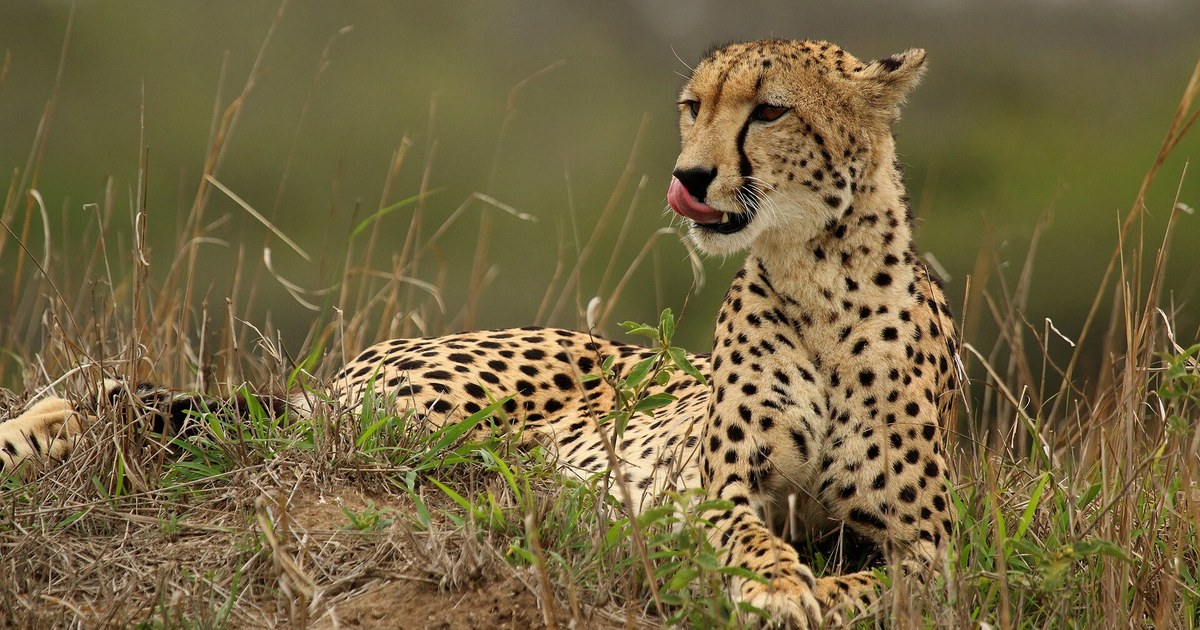
Phinda has the full Big Five: lion, leopard, buffalo, elephant, and rhino. But its reputation rests on two species: one of South Africa’s densest cheetah populations and excellent black rhino sightings. Cheetah are the elegant, elusive hunters most safari-goers miss elsewhere; at Phinda, close-up sightings are the norm rather than the exception. If big cats are your priority, this reserve should be high on your list.
3. The Lodges Are Not Interchangeable
All six andBeyond lodges sit inside the reserve but serve different travelers. Mountain Lodge, perched with views over the Lebombo foothills, is the family pick with cottages that convert to adjoining family units and private plunge pools. Forest Lodge sits inside the sand forest itself. Vlei Lodge overlooks the wetland. Rock Lodge, the Homestead (exclusive-use villa), and Zuka Lodge round out the options from classic safari luxury to private villa. Pick by travel style, not by star rating: they are all excellent.
4. Game Drives Run Twice Daily, Six Guests Max
Morning and afternoon/evening drives in open 4×4 vehicles, led by a professional ranger and tracker, carry a maximum of six guests. Sensitive off-roading practices mean the vehicle can leave the tracks for close-up sightings, which is the difference between watching a leopard at 200 meters and at 20. Night drives with spotlights reveal the nocturnal cast: bush babies, genets, and hunting predators.
5. The Conservation Experiences Are Real
Phinda is known for its conservation work, and guests can join it directly. Depending on timing, you can take part in rhino notching (marking rhinos for monitoring) or pangolin tagging alongside the conservation team. Add a sleep-out under the stars on a raised platform, guided walking safaris with tracking, and Zulu village cultural tours. These are the experiences people talk about years later, more than any single sighting.
6. You Can Add the Ocean
Few safari reserves sit this close to the sea. Phinda lies near the unspoiled beaches of the Indian Ocean and the coral reefs around Sodwana Bay, so bush-and-beach combinations are straightforward: morning game drive, afternoon scuba diving. Seasonal turtle hatching excursions run with a minimum stay. If you have the days, this is the easiest way in South Africa to pair the Big Five with the ocean.
7. Getting There Takes Planning
By road, Phinda is about 3.5 hours (350 km) from Durban on good tarred roads, or around 7 hours (600 km) from Johannesburg. Most international visitors fly into Durban’s King Shaka Airport, then drive or arrange a transfer. The fastest option is a charter flight to the reserve’s own airstrip, often routed via Richards Bay. Self-drivers should note the last stretch is rural: arrive in daylight.
8. Best Time to Visit
Phinda is a year-round destination in KwaZulu-Natal’s warm climate. The dry winter months (May to September) offer the best game viewing as animals concentrate around water and the thinner bush improves visibility. Summer (October to April) brings newborn animals, migratory birds, and lush landscapes, with afternoon thunderstorms. There is no bad month, only trade-offs.
9. Phinda vs Kruger: An Honest Comparison
Kruger is bigger, cheaper, and self-drive friendly; it is the classic first safari and there is nothing wrong with it. Phinda is smaller, fully guided, and luxury-priced, with far fewer vehicles at sightings and the seven-ecosystem variety Kruger cannot match in one area. Choose Kruger for independence and value. Choose Phinda for exclusivity, expert guiding, cheetah, and the bush-and-beach combo. They are different trips, not rivals.
What Does a Phinda Safari Cost?
Honest answer: this is andBeyond luxury, priced accordingly, with rates varying by lodge, season, and length of stay. It sits firmly in the premium tier of South African safaris. What the rate includes matters more than the number: all meals, twice-daily game drives, walking safaris, and most activities are bundled, so the sticker price is closer to the final price than at many lodges. Get a quote from andBeyond or a safari specialist for your dates; shoulder season stretches the budget furthest.
A Sample 3-Day Phinda Itinerary
Day one: arrive by midday, settle into your lodge, and head out on the afternoon game drive as the heat breaks and predators start moving. Dinner under the stars, then an early night. Day two: dawn game drive (the best wildlife hours), back for brunch and a midday rest, then a walking safari or conservation experience in the afternoon followed by a night drive. Day three: final dawn drive, brunch, and departure, or add the ocean excursion if you booked a fourth night. Three nights gives you six game drives, which is the sweet spot: enough for the Big Five plus the cheetah moments Phinda is known for.
One thing first-timers underestimate: the midday break is part of the safari, not dead time. Use it. The guides rest the vehicles, the animals rest in the shade, and you will want to be sharp for the afternoon drive when the bush wakes up again.
Frequently Asked Questions
Where is Phinda Private Game Reserve?
In KwaZulu-Natal, South Africa, between the Indian Ocean and the iSimangaliso Wetland Park, about 3.5 hours north of Durban.
What animals can you see at Phinda?
The Big Five plus cheetah, black rhino, wild dog, hippo, and rare antelope like suni and red duiker in the sand forest.
How many days do you need at Phinda?
Three to four nights. That gives you six to eight game drives plus time for a walking safari or conservation experience.
Is Phinda good for families?
Yes. Phinda Mountain Lodge is set up for families with adjoining cottages, and children are welcome on game drives at the ranger’s discretion.
Is Phinda better than Kruger?
Different, not better. Kruger is bigger, self-drive, and better value. Phinda is guided, exclusive, and stronger for cheetah, with fewer vehicles per sighting.
Can you combine Phinda with the beach?
Yes, easily. The reserve sits near the Indian Ocean coast; ocean excursions like scuba diving and seasonal turtle hatching can be added.
The Bottom Line
Phinda Private Game Reserve is the connoisseur’s alternative to Kruger: smaller, quieter, and packed with more habitat variety per hectare than anywhere else in the country. If cheetah are on your must-see list and you want your safari guided by people who do this at the highest level, this is your reserve.