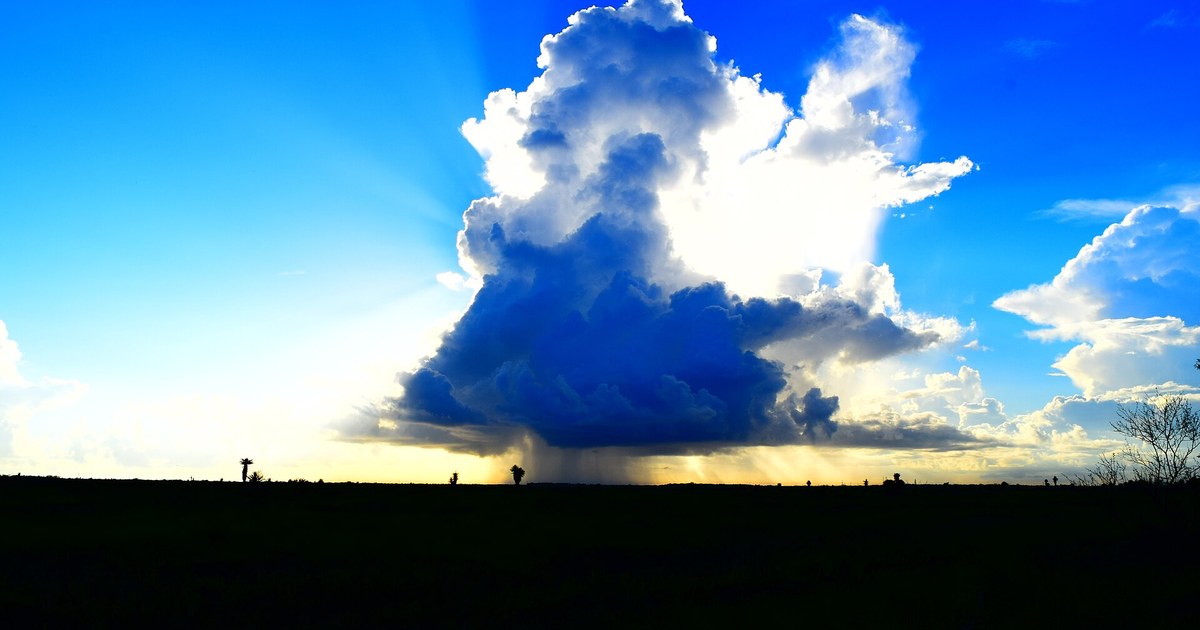
Weather versus climate is a difference that confuses many people, because the two words describe the same atmosphere at different scales. Weather is what happens in a specific place over a short time: today, tomorrow, or this week. Climate is the pattern of that weather over a long time, usually decades, in the same place. The well-known summary captures it: climate is what you expect, weather is what you get. This guide explains the difference, with examples, and it stays with the explainer: it does not become a travel-timing guide or a climate-change guide, because those are separate posts with their own intents.
Weather: short-term and local
Weather is the short-term state of the atmosphere in a specific place: temperature, rain, wind, cloud, and humidity, as they are right now or over the next few days. Weather changes quickly, and it can differ sharply between nearby places: one town can be rainy while the next town over is dry. Weather is what forecasts describe, and it is what you check before deciding what to wear today or whether to go out this weekend. Weather is local and immediate, and it is the scale at which daily life happens.
Climate: long-term and averaged
Climate is the long-term pattern of weather in a place, averaged over decades. Climate describes what a place is usually like: a desert climate is usually dry, a tropical climate is usually warm and wet, and a temperate climate has distinct seasons. Climate does not describe any single day: a desert can have a rainy day, and a cold climate can have a warm week, without either changing the climate. Climate is what you use to plan months ahead, such as choosing a season for a trip, while weather is what you check on the day itself. The two work together: climate sets the expectation, weather delivers the actual day.
Weather and climate: examples and similarities
Weather and climate examples make the difference concrete. A single hot day in London does not make London’s climate hot, because London’s climate is temperate, with mild summers and cool winters, and one hot day is weather, not climate. A rainy week in a desert does not make the desert wet, because the desert’s climate is dry over decades, and one rainy week is weather. The similarities are real too: weather and climate both describe the atmosphere, both use the same elements, temperature, rain, wind, and humidity, and both vary by place. The difference is not what they measure, but how long they measure it for: weather measures days, climate measures decades.
Weather and climate elements are the same building blocks, used at different scales. Temperature, precipitation, wind, humidity, and air pressure describe both weather and climate: a weather report gives today’s temperature, while a climate description gives a place’s average temperature over many years. That shared vocabulary is why the two words get mixed up, but the time scale is the line between them: short-term and local is weather, long-term and averaged is climate.
Forecasting and climate data work at different scales too. A weather forecast predicts the atmosphere for the next few days, using current observations and models, and its accuracy falls as the forecast goes further ahead, because small changes grow over days. Climate data, by contrast, looks backwards over decades, using long records from weather stations, to describe what a place is usually like. A forecast tells you whether to carry an umbrella tomorrow, while climate data tells you whether a place usually needs an umbrella in a given month. Both use the same observations, but one looks forward a few days and the other looks backwards over many years.
Seasons sit between weather and climate, and they help to show the difference. A season is a recurring pattern within a climate: a temperate climate has four seasons, a tropical climate has wet and dry seasons, and a desert climate has hot summers and cooler winters. A single season can be warmer or cooler than usual without changing the climate, because the climate is the pattern over many seasons, not one season alone. That is why a mild winter or a hot summer, on its own, is weather, while a shift in many winters or many summers over decades would be a climate shift.
Measuring weather and climate also differs in practice. Weather is measured right now, by instruments that record temperature, rain, wind, and pressure at a given moment, and those measurements feed forecasts. Climate is built from those same measurements, collected over decades and averaged, so that a place’s climate is a summary of its weather history. The same thermometer can serve both purposes, but the time scale changes what its readings mean: one reading is weather, many years of readings are climate.
Why the difference matters
The difference matters because mixing the two leads to wrong conclusions. A cold winter day does not disprove a warming climate, because one day is weather, while climate is the pattern over decades. A hot summer does not, on its own, prove a climate change, for the same reason: one season is weather, while climate change is a shift in the long-term pattern. This post mentions climate change only in this one paragraph, because climate change is a separate intent with its own posts, and this guide stays with the weather-versus-climate distinction itself. For travel, the same rule applies: climate helps you choose a season, weather helps you pack for the day, and the two together make a better trip than either alone.
Microclimates are a useful final note: a microclimate is the climate of a small area, such as a valley, a city centre, or a hillside, which can differ from the surrounding region. A city can be warmer than the countryside around it, and a valley can be cooler than the hills above it, and those differences are microclimates, not separate climates. Microclimates show the same rule at a smaller scale: weather is the day, climate is the pattern, and microclimate is the pattern for a small place within a larger one.
Frequently asked questions
What is the difference between weather and climate?
Weather is the short-term state of the atmosphere in a specific place, over days, while climate is the long-term pattern of that weather, averaged over decades. Weather is what you get today, climate is what you expect over time.
Is climate just average weather?
Essentially, yes: climate is the average pattern of weather in a place over a long period, usually decades, including typical temperatures, rainfall, and seasons. A single day’s weather can differ from the climate average without changing the climate.
Can weather and climate be different on the same day?
Yes, and they often are: a place with a cold climate can have a warm day, and a place with a dry climate can have a rainy day. That day is weather, and it does not change the place’s climate, which is the long-term pattern.
Final thoughts
Weather versus climate comes down to time: weather is days, climate is decades, and both describe the same atmosphere at different scales. Remember that line, and the two words stop confusing each other: check the weather for today, use the climate to plan the season, and never judge a climate by a single day’s weather.