The short answer
Figuring out where to stay in Venice comes down to one decision: which neighborhood fits your trip. First-time visitors do best in San Marco, steps from St. Mark’s Basilica and the Doge’s Palace. Travelers who want local life at fair prices should look at Cannaregio. Dorsoduro suits art lovers and couples, Castello suits families who want quiet streets, and Mestre on the mainland suits tight budgets. The table below compares every area at a glance, and the guides that follow go deeper.
Where to stay in Venice: area comparison
| Area | Best for | Vibe | Budget |
|---|---|---|---|
| San Marco | First-time visitors, short stays | Iconic and lively | High |
| Cannaregio | Local feel, good value | Relaxed and residential | Mid |
| Dorsoduro | Art lovers, couples | Elegant and calm | Mid to high |
| San Polo | Food lovers, central but calm | Historic and authentic | Mid |
| Santa Croce | Easy arrival, train station access | Practical and quiet | Mid |
| Castello | Families, quiet stays | Residential and green | Mid |
| Giudecca | Views and tranquility | Scenic and peaceful | Mid to high |
| Lido | Beach plus city | Resort-like in summer | Mid |
| Mestre (mainland) | Budget travelers | Urban, not Venetian | Low |
The six sestieri, explained
Venice’s historic center is divided into six districts called sestieri. Each one has its own character, and your hotel address says a lot about what your days will feel like. Here is an honest breakdown.
San Marco: best for first-time visitors
San Marco is the postcard. St. Mark’s Basilica, the Doge’s Palace, and the Grand Canal’s most famous curve are all here. If you want to step out of your hotel and be in the middle of the Venice you have seen in photos, this is the area.
Pros: walk to the main sights, easy to navigate, excellent vaporetto (water bus) connections, the widest choice of restaurants and shops.
Cons: the most crowded district by far, the highest room prices in the city, and very little quiet local life.
Pick it if: it is your first visit, you are staying one or two nights, or you want the classic Venice experience outside your window.
Cannaregio: best for local feel and value
Cannaregio is where many Venetians actually live. It has quiet canals, family-run trattorias, artisan workshops, and the historic Jewish Ghetto. It feels like a real neighborhood because it is one.
Pros: authentic atmosphere, better prices than San Marco, great food scene, still walkable to the center.
Cons: the northern parts feel far from the main sights on foot, and nightlife is low-key.
Pick it if: you want to feel like a temporary local, or you are staying three nights or more and want a calmer base.
Dorsoduro: best for art lovers and couples
Dorsoduro sits across the Accademia Bridge from San Marco. It holds the Gallerie dell’Accademia and the Peggy Guggenheim Collection, plus some of the city’s prettiest canals. It is elegant without being stiff.
Pros: world-class art on your doorstep, romantic and calm, easy walk to San Marco.
Cons: prices run high near the bridge, and the area is small so hotel choice is limited.
Pick it if: museums are a priority, or you want a romantic trip without the San Marco crowds.
San Polo: best for food lovers
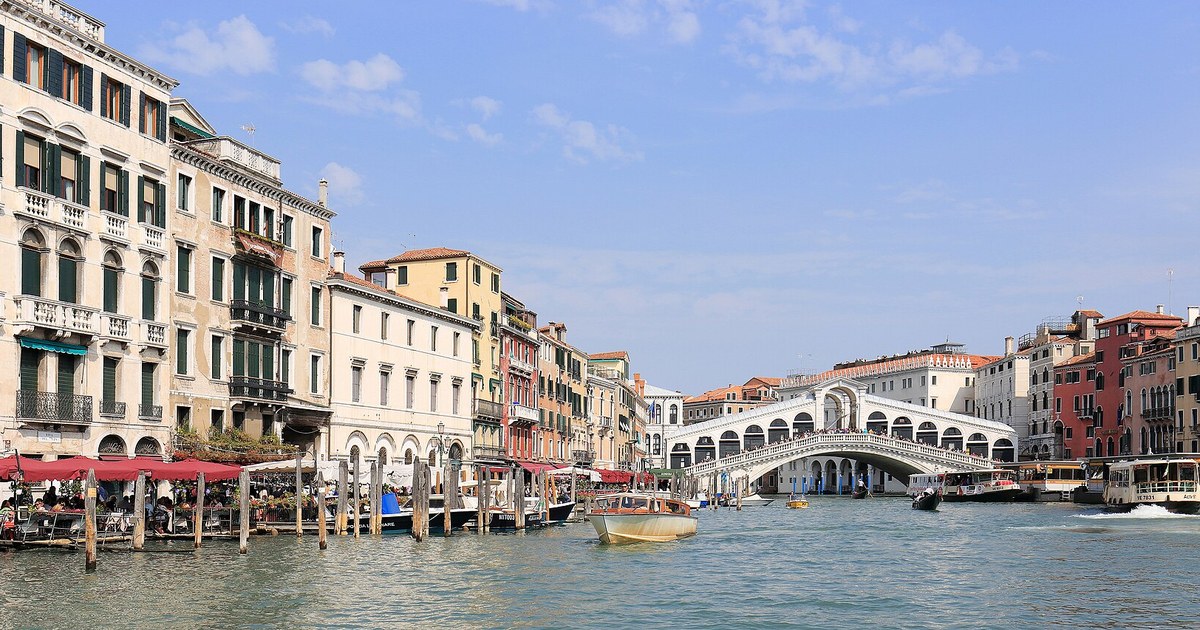
San Polo is home to the Rialto Bridge and the Rialto Market, where Venetians have shopped for centuries. It is central but keeps a working-neighborhood feel, with some of the best bacari (wine bars) in the city.
Pros: excellent food and wine bars, central location, fewer tour groups than San Marco.
Cons: hotel options are thinner here, and the streets around Rialto get busy by day.
Pick it if: eating and drinking well matters as much as sightseeing.
Santa Croce: best for easy arrival
Santa Croce borders the train station and the bus terminal, which makes it the practical choice. Parts of it are plain, but the areas near the San Polo border have real charm.
Pros: easiest district for luggage (flatter, closer to transport), good value, calm at night.
Cons: the least scenic sestiere overall, and some streets near the station feel rough after dark.
Pick it if: you arrive by train or bus and want to drop your bags fast.
Castello: best for families and quiet
Castello is the largest sestiere and the most residential. Its eastern end holds the Giardini della Biennale, the greenest public space in Venice, and wide walkable streets that are rare elsewhere in the city.
Pros: quiet, spacious by Venice standards, genuinely local, fair prices.
Cons: a longer walk or vaporetto ride to San Marco, and fewer dinner options late at night.
Pick it if: you travel with kids, want space to breathe, or are visiting in summer when the center overheats.
Beyond the six sestieri
Giudecca: best for views and tranquility
Giudecca is a long island just south of Dorsoduro, a few minutes by vaporetto from San Marco. It offers some of the best views in Venice, back across the water toward the main island, with a fraction of the crowds.
Pros: peaceful, scenic, good value for the calm you get.
Cons: you depend on the vaporetto for everything, which adds time to every outing.
Pick it if: you want to watch Venice instead of being inside the bustle.
Lido: best for beach plus city
The Lido is Venice’s beach island, a longer vaporetto ride from San Marco. In summer it works as a two-in-one trip: mornings on the sand, afternoons in the city.
Pros: real beaches, family-friendly hotels, space.
Cons: the commute to the sights eats 30 to 45 minutes each way, and it is sleepy outside summer.
Pick it if: you visit between June and September and want a beach holiday with a Venice side trip.
Mestre: best for tight budgets
Mestre is on the mainland, a short train ride from Santa Lucia station. It is not Venice at all, just a regular Italian town, but hotels cost far less and the train into the city takes about 10 minutes.
Pros: the cheapest beds near Venice, easy for drivers (you can actually park here), practical for early trains.
Cons: zero Venetian atmosphere, and you lose the magic of early mornings and late evenings in the city.
Pick it if: budget decides everything, or you arrive by car.
Where to stay in Venice by traveler type
First visit: San Marco for one or two nights, Dorsoduro or Cannaregio for longer stays. You want the sights close while you learn the city.
On a budget: Cannaregio or Castello on the island, Mestre on the mainland. Avoid San Marco entirely.
With kids: Castello for space and quiet, or the Lido in summer for the beach. Look for vaporetto stops nearby so little legs get breaks.
Couples: Dorsoduro for romance, or Giudecca for sunset views across the water.
One night: stay as central as you can afford. San Marco or San Polo. Every minute of transit is sightseeing time lost.
Two nights: San Marco works, but Cannaregio gives you a better feel for the city without much extra transit.
Before a cruise: stay near the cruise terminal in Santa Croce or on Giudecca, and confirm your ship’s actual departure port, since many large ships now dock outside the historic center.
Near the train station: Santa Croce or western Cannaregio. Both keep luggage hauling over bridges to a minimum.
Near the airport: most travelers are better off staying in the city and taking the airport boat or bus. Only stay near Marco Polo Airport for a very early flight.
Venice or Mestre? An honest breakdown
This is the most common budget question about where to stay in Venice, and the honest answer depends on what you value. Mestre saves real money. A mainland hotel can cost half of an island equivalent, parking is simple, and the train to Santa Lucia is short and frequent.
What you give up is the Venice that exists before 9 a.m. and after 8 p.m. The day-trippers leave, the light turns gold on the canals, and the city belongs to the people sleeping there. No train ride gives you that. If Venice is a once-in-a-lifetime trip, stay on the island, even if it means a simpler hotel. If you have been before, or the budget truly does not stretch, Mestre is a sensible base and nothing to be embarrassed about.
Where not to stay in Venice: mistakes to avoid
Do not book “Venice” without checking the map. Some listings say Venice but sit far out on the mainland with an awkward commute. Zoom in before you book.
Do not confuse Venice with Venice Beach. Searches for “where to stay in venice beach” usually mean Venice Beach, California, a completely different place. If your trip is Italy, make sure every booking says Venezia, Italia.
Do not stay far from a vaporetto stop if mobility is limited. Venice has no cars and hundreds of bridges with steps. Check the walking route to the nearest stop, not just the distance to San Marco.
Do not assume the cheapest island option is a deal. A rock-bottom price in a bad micro-location can mean nightly noise, a long walk with luggage, or a room facing a delivery alley. Read recent reviews about the street, not just the hotel.
Practical tips for staying in Venice
Pack light. There are no cars in historic Venice. Everything you bring gets carried over bridges, onto vaporettos, and through narrow alleys. A small bag you can lift easily beats a big suitcase every time.
Learn the vaporetto basics. The water bus is the city’s metro. Buy passes for the length of your stay if you plan more than a couple of rides, and validate every trip.
Know about the city tax and access fee. Venice charges overnight guests a city tax, collected at your accommodation, and runs a day-tripper access fee on set days during the busy season. Overnight guests are exempt from the access fee but generally need to register the exemption. The exact rates and dates change, so check the current rules before you travel. Checked October 2026.
Book early for peak season. Carnival, Easter, and summer weekends fill the well-located hotels months ahead, and prices climb as availability drops. Shoulder seasons (April to May, September to October) give you better choice and calmer streets.
Bring cash for small places. Many bacari and smaller shops prefer cash, and ATMs cluster in the tourist zones. Keep small bills for vaporetto tickets and cover charges.
Frequently asked questions
What is the best area to stay in Venice for a first visit?
San Marco if your stay is short, since the main sights are on foot. For three nights or more, Cannaregio or Dorsoduro give you a better balance of sightseeing and real neighborhood life.
Is it better to stay in Venice or Mestre?
Stay on the island if the budget allows, because early mornings and late evenings are the best part of Venice. Choose Mestre if price is the deciding factor or you arrive by car; the train connection is quick and simple.
Which area is best for families?
Castello for quiet streets and space, or the Lido in summer for beaches. Both keep you away from the densest crowds while staying connected by vaporetto.
How many nights do I need in Venice?
Two full days cover the essential sights. Three to four nights let you add the islands of Murano and Burano and actually experience the city beyond the checklist.
Do I need to stay near St. Mark’s Square?
No. Venice is compact and walkable, and the vaporetto connects everything. Staying one district over often means half the price and twice the charm.