Biscayne National Park, in South Florida near Miami and Homestead, is a national park that is mostly water, with Biscayne Bay, coral reefs, mangrove shorelines, and a chain of barrier islands, plus snorkeling, diving, boating, and fishing that make it one of Florida’s most unusual national parks, since most of the park is reached by boat, not by car. The park protects a large area of Biscayne Bay and the northern Florida Keys, with islands including Elliott Key, Boca Chita Key, and Adams Key, plus coral reefs, shipwrecks, and mangroves, making it a top destination for water lovers, snorkelers, divers, and boaters near Miami. This guide covers Biscayne National Park, Florida, from what it is and its islands to snorkeling, boating, wildlife, seasons, and visiting tips.
What is Biscayne National Park
Biscayne National Park covers Biscayne Bay, a shallow bay between mainland South Florida and the northern Florida Keys, with about 95 percent of the park under water, plus a small land area on islands and at Convoy Point, the park’s mainland visitor center, making it a water park, rather than a drive through park like many national parks. The park includes four main ecosystems: mangrove shorelines, Biscayne Bay, barrier islands, and coral reefs, with each ecosystem supporting different wildlife, from manatees and dolphins in the bay to fish, turtles, and birds on reefs and islands, making Biscayne a diverse, water focused park. Convoy Point, near Homestead, offers a visitor center, a boardwalk, a jetty, and a marina, plus ranger programs and exhibits, making it the main land based starting point for Biscayne, with boat tours and rentals available from Convoy Point and nearby marinas.
Islands: Elliott Key, Boca Chita, and Adams Key
Elliott Key, the largest island in Biscayne National Park, offers hiking trails, camping, picnic areas, and a harbor, plus a history tied to early settlers and pineapple farming, making it a good island for a day trip or overnight camping, reached by private boat or tour boat, with no ferry service in many seasons, so check current transport information before planning an Elliott Key visit. Boca Chita Key, a smaller island, offers a historic lighthouse, a harbor, picnic areas, and camping, plus views over Biscayne Bay and the Miami skyline in the distance, making it a popular boating stop, especially for day boaters from Miami and Homestead. Adams Key, another small island, offers picnic areas and a day use area, plus a quieter atmosphere than Boca Chita, making it a good choice for visitors who want a peaceful island stop, with all islands reached by boat only, so plan transport carefully.
Snorkeling, diving, and boating
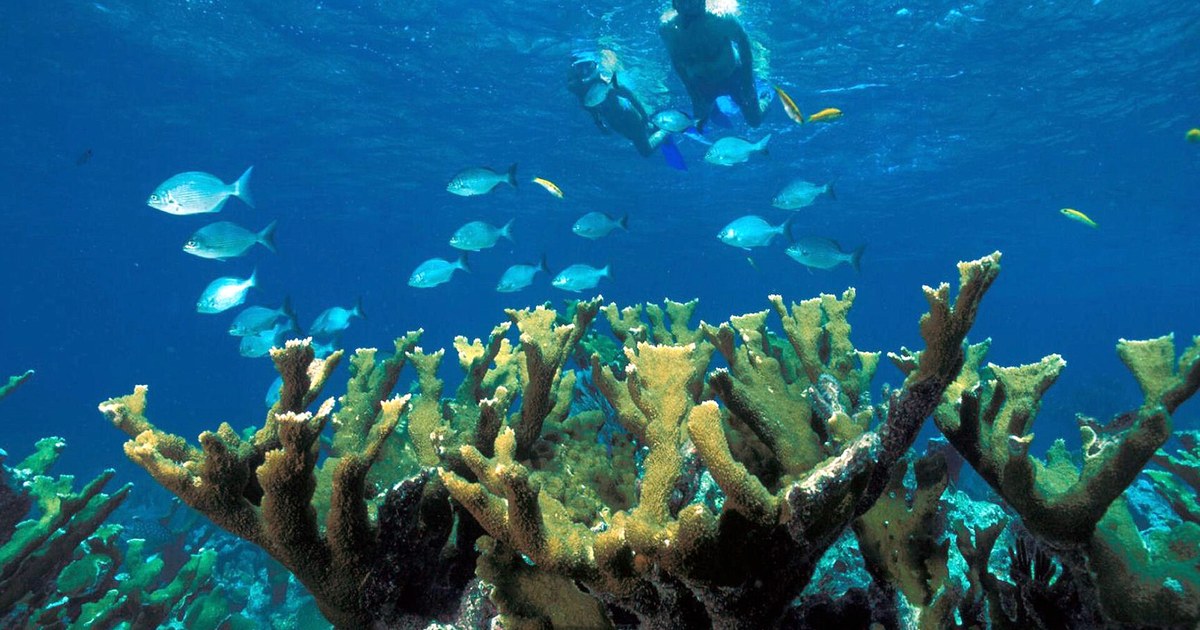
Snorkeling and diving in Biscayne National Park offer coral reefs, shipwrecks, and marine life, with snorkel tours from Convoy Point and nearby marinas, plus dive charters for experienced divers, making the park a top South Florida snorkeling and diving destination, especially in calm, clear water conditions. Shipwrecks in the park, part of a Maritime Heritage Trail, offer dive sites with history, plus coral reefs with fish, turtles, and rays, making Biscayne a good choice for divers who want reefs plus history, with dive conditions that depend on weather, visibility, and season, so check current dive and tour information before booking. Boating in Biscayne offers access to islands, reefs, and fishing spots, with boat rentals, charters, and guided tours available, plus a marina at Convoy Point, so follow boating rules, check weather and tides, and use marked channels, especially for visitors new to Biscayne Bay, where shallow areas and seagrass require care.
Convoy Point and mainland activities
Convoy Point, Biscayne National Park’s mainland visitor center near Homestead, offers a visitor center with exhibits and ranger programs, a boardwalk over mangroves, a jetty for fishing and views, and a marina for boat tours and rentals, making it the best land based introduction to Biscayne, especially for visitors who do not have a boat. Ranger led programs at Convoy Point cover Biscayne ecology, history, and wildlife, with programs that vary by season, so check current program schedules before visiting, and allow time for the visitor center, boardwalk, and jetty together, rather than rushing through in a few minutes, since Convoy Point gives context for the bay, reefs, and islands that boat tours then show in person. Convoy Point also offers picnic areas and a quiet, waterfront atmosphere, making it a good half day for visitors who want to learn about Biscayne without a full boat trip, plus easy access from Homestead and Miami.
Biscayne with kids and beginners
Biscayne National Park works well with kids and beginners, with Convoy Point boardwalk and jetty, plus guided snorkel and boat tours that suit first time snorkelers and boaters, with guides explaining safety, wildlife, and reef care, making Biscayne accessible for families who are new to snorkeling and boating. Beginners should choose guided tours over private boat rentals, since Biscayne Bay has shallow areas, seagrass, and navigation challenges, plus weather and tides that affect conditions, making a guide the safest and most informative choice for a first Biscayne visit. Kids will enjoy Convoy Point exhibits, ranger programs, boat tours, and wildlife viewing, with manatees, dolphins, and birds offering memorable sightings, plus island picnics and beach stops on guided tours, making Biscayne a good family national park near Miami.
Wildlife, fishing, and seasons
Wildlife in Biscayne National Park includes manatees, dolphins, sea turtles, American crocodiles, and a wide range of birds, including pelicans, herons, and osprey, plus fish and coral on reefs, making the park a strong wildlife viewing destination, especially in winter, when manatees and migratory birds visit, and in calm water, when marine life is easiest to see. Fishing in Biscayne is popular, with bonefish, permit, tarpon, and other species in the bay and flats, plus fishing charters and guides, so check current fishing licenses, seasons, and size limits before fishing, since Florida fishing rules change and vary by species, and follow park rules on fishing areas. Seasons in Biscayne mirror South Florida, with winter and spring offering mild weather, calmer water, and good snorkeling and boating, making them the best seasons, while summer offers hot, humid weather with afternoon storms and hurricane season, so check weather before booking, and fall offers a shoulder season with warm weather and fewer crowds.
Visiting tips: getting there and planning
Biscayne National Park is near Homestead and Miami, reached by car to Convoy Point visitor center, plus boat to islands and reefs, with a car recommended for Convoy Point and nearby towns, though islands and reefs require a boat, tour, or charter. Allow at least a full day for Biscayne, including a boat or snorkel tour, plus time at Convoy Point, rather than rushing through in a few hours, and book tours, rentals, and camping early in winter and spring, when Biscayne is busiest. Check current park, tour, and weather information before visiting, since tours, transport, and conditions change seasonally, and pair Biscayne with Miami and the Everglades, using our guide to things to do in Florida for Miami and South Florida planning, and our guide to Florida beaches for nearby shores. Biscayne is a water park that rewards planning, with boat transport, tours, and weather checks essential for a good visit.
Disclosure: This post contains affiliate links. If you book through them, we may earn a commission at no extra cost to you.
Compare hotels near Homestead, Florida on Booking.com for your dates.
Biscayne National Park is South Florida’s water park, with bay, reefs, islands, and wildlife in one place. See our guide to Florida beaches for more shores, and our guide to things to do in Florida for statewide planning.