California Citrus State Historic Park is a state park in Riverside, in the Inland Empire, and it preserves the story of the citrus industry that transformed California. The park covers about 250 acres of citrus groves, with oranges, lemons, and grapefruit, and a museum that tells how the navel orange made Riverside famous and built the towns of Southern California. It is a quiet, green place, and a good stop for visitors who want to see a different side of California history. This guide covers California Citrus State Historic Park, from the navel orange and the groves to what to see, visiting, and where to stay.
The navel orange and Riverside
The story of California citrus begins with the navel orange, and with Riverside. In 1873, Eliza Tibbets planted two navel orange trees in Riverside, grown from cuttings sent from Brazil, and the trees thrived in the warm, dry climate. The navel orange was seedless, sweet, and easy to peel, and it became the basis of a huge industry. Within a few decades, Riverside was the center of the citrus world, and orange groves spread across Southern California.
The citrus industry changed California. It brought railroads, packing houses, and new towns, and it made Riverside one of the richest cities in the state. The orange became a symbol of California, and the groves were a landscape that defined the region. The park preserves that landscape, with groves that still grow fruit, and it tells the story of the people who planted, picked, and packed the oranges.
What to see in the park
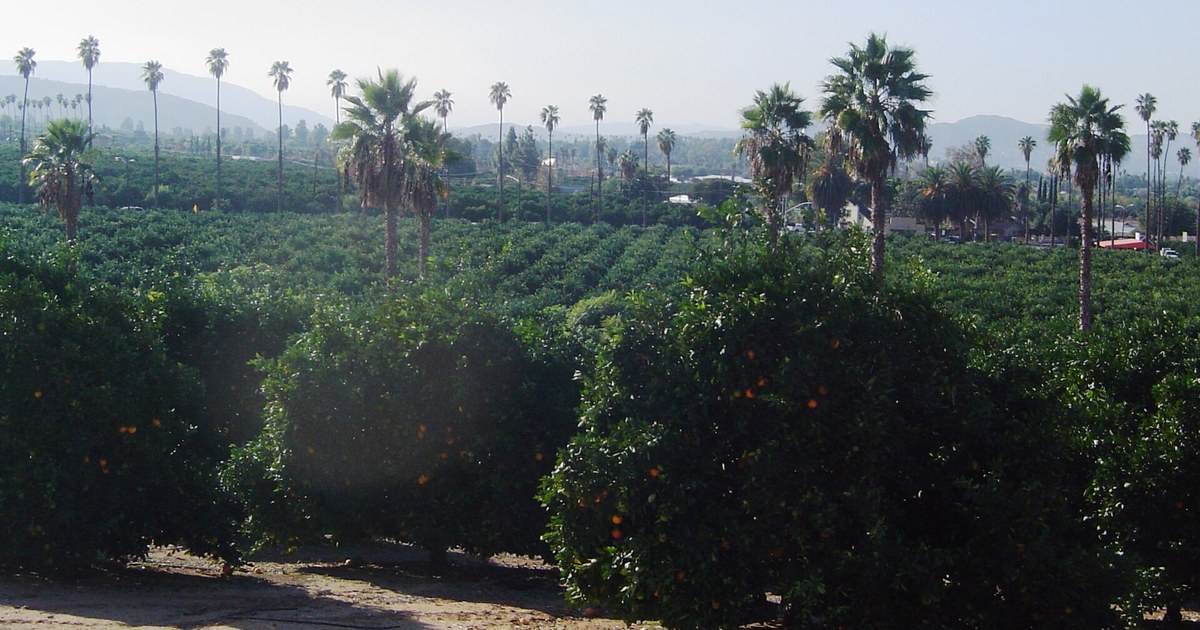
The park’s main feature is the groves themselves, rows of citrus trees that stretch across the park. The groves are planted with oranges, lemons, grapefruit, and other citrus, and they are a green, fragrant landscape, especially in spring, when the trees are in bloom, and in winter, when the fruit is ripe. Visitors can walk the paths through the groves, and the park has signs explaining the trees and the industry.
The visitor center and museum are in a building designed to look like a packing house, and they have exhibits on the citrus industry, the people who worked in it, and the history of Riverside. The park offers guided tours, and in the fruit season, visitors can taste citrus from the groves. The park also has picnic areas, and it is a good place for a walk or a family outing. The groves and museum are free to visit.
The park’s groves and trees
The park’s groves are planted with many kinds of citrus, including navel oranges, Valencia oranges, lemons, grapefruit, and tangerines. The trees are arranged in rows, with irrigation channels between them, in the way that commercial groves were planted a century ago. The groves are a working landscape, and the fruit is harvested and sold, so the park is not only a museum but a farm that still grows citrus.
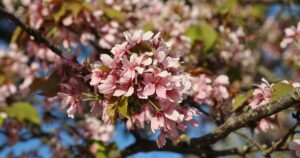
The groves change with the seasons. In spring, the orange blossoms fill the air with a sweet scent, and the trees are covered in white flowers. In winter, the fruit ripens, and the trees are heavy with oranges and lemons. The park’s trees are a reminder of the agricultural landscape that once covered the Inland Empire, and they are a green, living part of the park.
The citrus industry’s impact
The citrus industry shaped Southern California in ways that are still visible. The groves brought water, railroads, and towns, and they created a landscape of green orchards that is now mostly gone, replaced by suburbs and freeways. The park is one of the few places where that landscape survives, and it is a reminder of how the region looked a century ago. The industry also brought workers from many places, including Mexico, Japan, and China, and their stories are part of the park’s exhibits.
Riverside itself owes its existence to citrus. The city grew around the groves, and its downtown, its Mission Inn, and its historic neighborhoods all date from the citrus boom. The park is a good starting point for a Riverside visit, and it pairs well with the Mission Inn, the Riverside Art Museum, and the historic downtown. The citrus story is Riverside’s story, and the park tells it well.
Visiting the park
The park is open during the day, and the groves and museum are the main attractions. The best time to visit is spring, when the orange blossoms are in bloom and the air is fragrant, and winter, when the fruit is ripe and the groves are full of color. Summer is hot in the Inland Empire, so visit in the morning or late afternoon, and bring water and sun protection. The park has picnic tables and grass, and it is a good place for a family outing or a quiet walk.
The park offers guided tours and special events, including citrus tastings in the fruit season and festivals that celebrate the harvest. Check the park’s website for current hours, tour times, and events before you visit, since hours can change. The park is a state park, and it is managed by California State Parks, so it follows the state park rules, including no picking fruit from the trees without permission.
The park is a good place for a picnic, with tables and grass under the trees, and for a walk through the groves. The park has a gift shop with citrus products, including marmalade and juice, and it sells fruit from the groves in season. The park is family-friendly, and children can learn about where oranges come from and how they grow. The park is a quiet place, and it is a good break from the freeways and suburbs of the Inland Empire.
Where to stay near the park
Disclosure: this guide contains affiliate links. If you book through them, we may earn a commission at no extra cost to you.
Riverside has a range of hotels, from the historic Mission Inn in downtown to modern hotels near the freeways. The Mission Inn is a landmark hotel with a Spanish Revival style, and it is a good base for a Riverside visit. The Mission Inn is the most distinctive place to stay, with its historic architecture and central location, and it is a short drive from the park. The city also has motels and chain hotels, and it is a good base for the Inland Empire, including the citrus park, the Mission Inn, and the nearby mountains. Book ahead in spring, when the orange blossoms are in bloom and visitors are most numerous. Search hotels in Riverside on Booking.com
Getting there
California Citrus State Historic Park is in Riverside, in the Inland Empire, about an hour east of Los Angeles and about an hour north of San Diego, depending on traffic. The park is reached by the 91 and 60 freeways, and it is a short drive from downtown Riverside. The park is close to downtown Riverside, so it pairs well with a visit to the Mission Inn and the historic downtown, and it is an easy half-day trip from Los Angeles or Orange County. A car is the best way to reach the park, since public transport is limited. For a wider California trip, see our guide to California trip planning, and for a desert park, see our guide to Bombay Beach.