A California trip takes planning, because the state is large, the regions are far apart, and the best experiences need a car and advance booking. The key decisions are how many days you have, which regions to visit, and which route connects them. This guide covers how to plan a trip to California, from how many days you need and the best routes to when to go, getting around, where to stay, and how to budget.
How many days do you need
California is larger than most visitors expect, and the driving distances are long, so the number of days shapes the trip. A three-day trip works for one city or one region, such as San Francisco and the Bay Area, or Los Angeles and the beaches. A seven-day trip can cover two regions, such as San Francisco plus Yosemite, or Los Angeles plus San Diego and the coast. A two-week trip can cover the coast, two cities, and a national park, but it still will not cover the whole state.
Give each region at least two days. A single day in a region means most of the time goes to driving and checking in, and little goes to seeing the place. Two days lets you see the main sights and have one slow morning or evening. Three days lets you add a day trip or a hike. For a first visit, seven days with two regions is the best balance, and it is better than trying to see everything in the same time.
The best trip routes
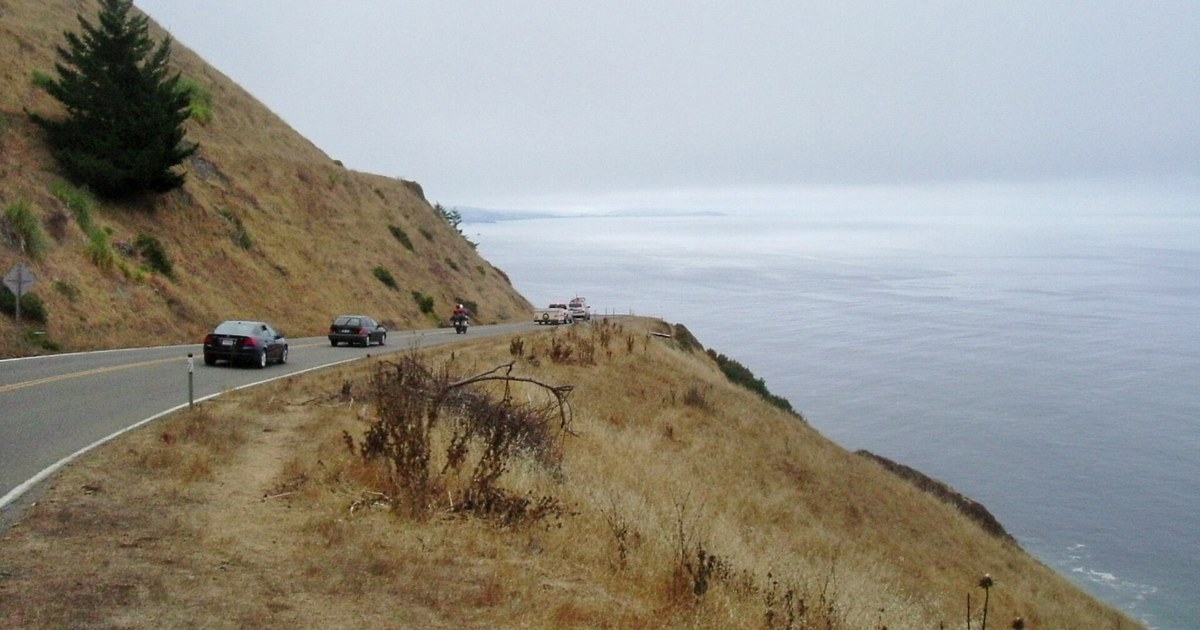
The classic California trip is the coast on Highway 1, from San Francisco south through Big Sur to Los Angeles, or the reverse. The drive takes several days if you stop to see the coast, and the best stops are Monterey, Carmel, Big Sur, Morro Bay, Santa Barbara, and Malibu. For a coastal town stop, see our guide to Morro Bay, a harbor town on the Central Coast. The coastal route is the most scenic drive in the state, and it is the trip most visitors remember best.
A second classic route is the cities and parks loop: San Francisco, Yosemite, and back, or Los Angeles, Palm Springs, and Joshua Tree. Yosemite pairs well with San Francisco, since the park is a few hours east, and Joshua Tree pairs well with Palm Springs and Los Angeles. A third option is the wine country loop, with Napa and Sonoma from San Francisco, plus the redwood coast to the north. Pick one route and do it well, rather than combining all three into one rushed trip.
When to go: the best time by region
The best time to visit California depends on the region. The coast is mild all year, with fog in summer and clear skies in fall. Fall is often the best season for the coast and the cities, with clear weather and fewer visitors than summer. The national parks are best in spring and fall, when temperatures are mild and the waterfalls are running or the leaves are turning. The desert is best in winter and spring, when temperatures are mild, and it is very hot in summer.
Summer is the busiest season, with the most visitors and the highest demand for lodging, especially in the national parks and on the coast. If you travel in summer, book lodging and park reservations well ahead. Winter is the quietest season, with rain on the coast and snow in the mountains, but it is a good time for the desert and for city trips, when the crowds are gone.
Getting around California
A car is the best way to see California. The coast, the parks, and wine country all need a car, and Highway 1 and the inland freeways connect the regions. Rent a car at the airport and return it at the end of the trip, or pick it up in one city and drop it in another if your route is one-way. San Francisco is the exception, where walking, cable cars, and BART cover the city well, so you can skip the car there and rent one when you leave.
Flights connect the main cities, and they save time on long distances, such as San Francisco to San Diego or Los Angeles to the Bay Area. The train runs along the coast on the Pacific Surfliner between San Diego, Los Angeles, and San Luis Obispo, and it is a scenic way to travel the southern coast. For most trips, a mix of flying between regions and driving within them works best.
Sample itineraries
A seven-day coast and city trip could start in San Francisco, drive south on Highway 1 through Big Sur to Los Angeles, and finish in San Diego. A seven-day parks trip could start in San Francisco, spend two days in Yosemite, then drive to Lake Tahoe or Sequoia. A ten-day trip can combine the coast with a park, such as San Francisco, Big Sur, and Yosemite, with a day in each place and driving days in between.
For a shorter trip, pick one region and stay there. Three days in San Francisco, three days in San Diego, or three days in Yosemite each make a complete trip on their own. The key is to resist the urge to add a third region, since the driving will eat the time you would spend seeing the place. Start with the region you most want to see.
Where to stay
Disclosure: this guide contains affiliate links. If you book through them, we may earn a commission at no extra cost to you.
Where to stay depends on the route. For a coastal drive, stay in a different town each night along Highway 1, from Monterey to Big Sur to Santa Barbara. For a city trip, stay central in San Francisco, Los Angeles, or San Diego, near the sights you want to see. For a national park trip, stay in or near the park, and book early, since park lodging fills up fast. For wine country, stay in Napa or Sonoma town, or in a smaller valley town for a quieter base. Search hotels in California on Booking.com
Budget and practical tips
California is one of the more expensive states to visit, and lodging is usually the largest cost, followed by the car and food. Book lodging early, especially for the national parks and the coast in summer, since prices rise and rooms sell out. Staying outside the most popular towns can save money, and a vacation rental or a motel can cost less than a hotel in the city center. Food costs vary, and cooking some meals or eating at casual spots can keep the budget in check.
A few practical tips make a California trip smoother. Book national park lodging and entry reservations as early as you can, since they sell out. Download maps before you drive, since cell service can be patchy in the mountains and the desert. Carry water and sun protection, especially in the desert and on hikes. Check road conditions before a coastal drive, since Highway 1 can close for repairs after storms. For a full list of what to see, see our guide to California what to do.