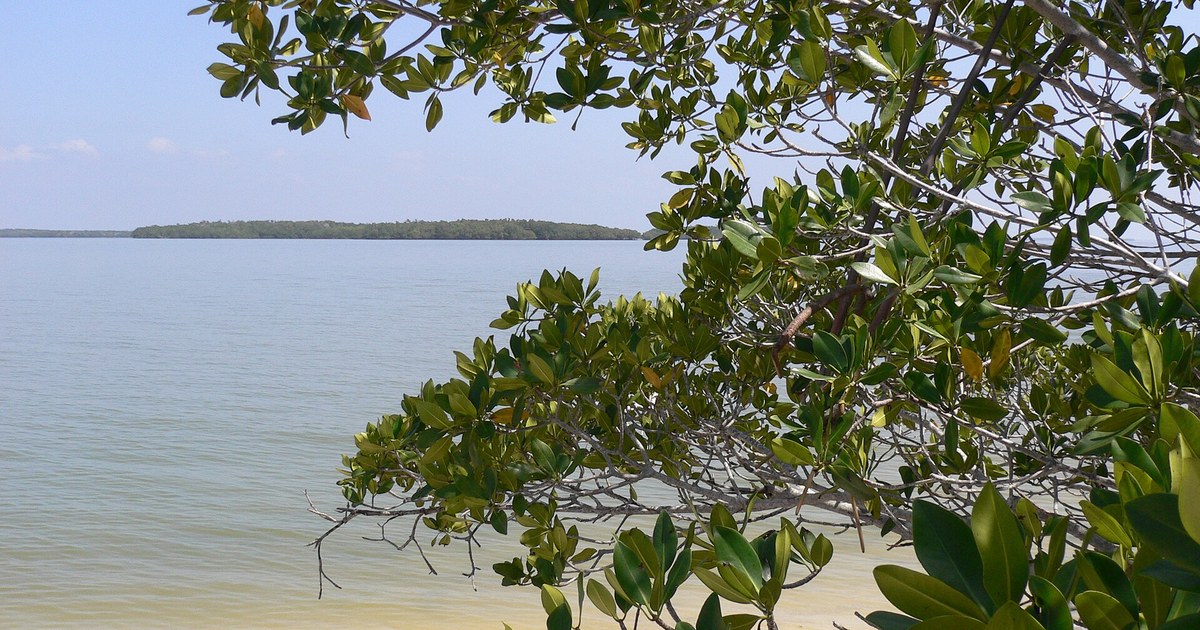
Florida’s Ten Thousand Islands, in southwest Florida near Everglades City and Chokoloskee, are a maze of mangrove islands, tidal creeks, and bays along the Gulf Coast, with wildlife, fishing, kayaking, and remote beaches that make them one of Florida’s wildest places, far from theme parks and city beaches. The name Ten Thousand Islands is a traditional name for the area, not an exact count, with hundreds of mangrove islands of different sizes, plus a National Wildlife Refuge and parts of Everglades National Park, making the area a top destination for nature lovers, paddlers, and anglers. This guide covers Florida’s Ten Thousand Islands, from what they are and wildlife to boating, kayaking, fishing, gateway towns, seasons, and visiting tips.
What are the Ten Thousand Islands
The Ten Thousand Islands stretch along Florida’s southwest Gulf Coast, from the Everglades region south of Naples to the Gulf, with mangrove islands, oyster bars, and tidal channels that change with tides, storms, and seasons, making navigation challenging for visitors new to the area. The islands are largely uninhabited, with no roads, hotels, or services on most islands, plus a mix of National Wildlife Refuge land, Everglades National Park land, and state waters, making the area a protected wilderness, rather than a developed beach destination. Visitors reach the islands by boat, kayak, or guided tour from Everglades City, Chokoloskee, or other Gulf Coast launch points, with most trips starting from a marina or boat ramp, plus a guide recommended for first time visitors, since channels, tides, and weather can be tricky.
Wildlife: manatees, dolphins, and birds
Wildlife is the main draw of the Ten Thousand Islands, with manatees, dolphins, sea turtles, alligators, and a wide range of birds, including pelicans, herons, egrets, osprey, and roseate spoonbills, plus fish and shellfish in the bays and creeks, making the area a strong wildlife viewing destination, especially in winter, when migratory birds visit and manatees gather in warmer waters. Bird rookeries on some islands offer spectacular birding in nesting season, with herons, egrets, and pelicans nesting in mangroves, so keep a respectful distance, follow refuge and park rules on closed areas, and never approach nesting birds or marine mammals, since disturbance can harm wildlife and is against refuge rules. For wildlife viewing, visit early in the morning, when animals are most active, bring binoculars, and go with a guide or on a wildlife tour, since guides know where wildlife gathers and how to view it without disturbance.
Boating, kayaking, and fishing
Boating in the Ten Thousand Islands offers access to remote beaches, mangrove creeks, and fishing spots, with boat rentals, charters, and guided tours available from Everglades City and Chokoloskee, plus a wilderness waterway that runs through the islands, making it a popular route for experienced paddlers and boaters. Kayaking and canoeing offer a quieter way to explore the islands, with paddling trails, mangrove tunnels, and wildlife viewing, plus guided kayak tours for beginners, so check current tour, rental, and launch information before visiting, since tides, weather, and water levels affect paddling conditions. Fishing in the Ten Thousand Islands is world class, with snook, redfish, tarpon, and trout in the bays and creeks, plus fishing charters and guides from Everglades City and Chokoloskee, so check current fishing licenses, seasons, and size limits before fishing, since Florida fishing rules change and vary by species.
Gateway towns: Everglades City and Chokoloskee
Everglades City, a small town on the edge of the Everglades, offers marinas, boat tours, restaurants, and lodging, plus a visitor center and museum, making it the main gateway to the Ten Thousand Islands, with a quiet, fishing town atmosphere that contrasts with Florida’s resort cities. Chokoloskee, a small island community near Everglades City, offers a historic store, marinas, and boat tours, plus a small town feel, making it another gateway to the islands, with a history tied to fishing, trading, and early settlement in the Everglades region. Both towns offer limited services compared to larger Florida cities, so book lodging, tours, and boat rentals early, especially in winter and spring, when the Ten Thousand Islands are busiest, and bring supplies, since shops and restaurants are limited in these small towns.
Ten Thousand Islands National Wildlife Refuge
Ten Thousand Islands National Wildlife Refuge, managed by the US Fish and Wildlife Service, protects mangrove islands, tidal creeks, and bays in the northern part of the Ten Thousand Islands, with a focus on wildlife habitat, bird nesting, and fish nursery areas, making it a key part of the area’s conservation story. The refuge offers wildlife viewing, boating, fishing, and paddling, with refuge rules on closed areas, nesting islands, and wildlife disturbance, so check current refuge information before visiting, since closed areas and rules change with nesting seasons and management needs. Visiting the refuge with a guide or on a refuge approved tour offers the best introduction, with guides explaining the refuge ecology, mangrove importance, and wildlife, plus how to visit without harming the fragile island ecosystem, making the refuge a must for nature lovers who want to understand the Ten Thousand Islands beyond a boat ride.
Seasons and how to spend a day
Winter and spring, from December to May, are the best seasons for the Ten Thousand Islands, with mild weather, lower humidity, fewer mosquitoes, and good wildlife viewing, making it the busiest season for tours and fishing, so book guides and lodging early. Summer, from June to September, is hot, humid, and rainy, with afternoon thunderstorms, more mosquitoes, and fewer visitors, making it a quieter season, but also a harder season for boating and paddling, so plan morning trips, bring water and sun protection, and check weather before heading out, while fall, from October to November, offers a shoulder season with warm weather and fewer crowds. For a day in the Ten Thousand Islands, take a guided boat or kayak tour in the morning for wildlife and islands, lunch in Everglades City or Chokoloskee, then an afternoon fishing charter or beach stop, making the islands a complete wilderness day, with a guide recommended for first time visitors.
Visiting tips: safety and planning
Safety in the Ten Thousand Islands requires planning, since the area is remote, with no services on most islands, plus tides, weather, and navigation challenges, so go with a guide if you are new to the area, tell someone your plan, bring water, sun protection, and a charged phone, and check weather, tides, and refuge or park information before heading out. Allow at least a full day for the islands, including a boat or kayak tour, plus time in Everglades City or Chokoloskee, rather than rushing through in a few hours, and pair the islands with Everglades National Park, using our guide to things to do in Florida for Everglades and South Florida planning, and our guide to Florida beaches for Gulf Coast shores nearby. The Ten Thousand Islands are wild Florida at its best, with mangroves, wildlife, and remote beaches in one place, so plan carefully and go with a guide for your first visit.
Disclosure: This post contains affiliate links. If you book through them, we may earn a commission at no extra cost to you.
Compare hotels near Everglades City, Florida on Booking.com for your dates.
Florida’s Ten Thousand Islands offer mangroves, wildlife, fishing, and remote beaches in a wild Gulf Coast maze. See our guide to Florida beaches for more shores, and our guide to things to do in Florida for statewide planning.