Quick answer: Havana is Cuba’s capital and one of the great city trips in the Americas: a UNESCO-listed old town, 1950s American cars, live music on every corner and a seafront promenade made for sunset. Give it 3 to 4 days. Go between December and April for dry weather. And plan it as a cash trip: bring US dollars or euros, because cards are unreliable and US cards do not work at all. Everything below is the first-timer’s version, with the practical details the listicles skip.
Money in Havana: The 2026 Reality
Havana runs on cash. Cuba’s only currency is the Cuban peso (CUP; the old CUC was abolished in 2021, so ignore any guide still quoting it). US-issued cards have never worked in Cuba, and card acceptance generally is unreliable, with card payments reported suspended island-wide in 2026. Bring every dollar or euro you plan to spend, in clean notes.
On exchange: the official rate is poor value. Independent travelers change cash informally through their casa host or a trusted paladar at the informal rate, which moves fast and ran at roughly 670 CUP to the dollar in mid-2026. The Cuban site elTOQUE publishes the informal rate daily; check it before you land and again in country. Skip street changers entirely, since short-changing tourists mid-count is the classic scam. Americans should read our guide to travel to Cuba for Americans for the legal categories and entry rules before booking anything. Budget-wise, a daily cash spend of about $40 to 70 covers food, local transport and one good paladar dinner.
Old Havana: The Four Plazas
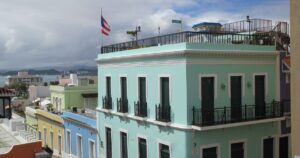
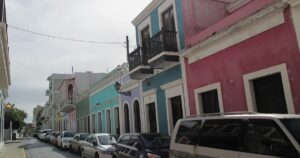
Old Havana (Habana Vieja), founded in 1519 and UNESCO-listed, is where every visit starts. Walk it as a loop of four plazas. Plaza de la Catedral holds the baroque Havana Cathedral. Plaza de Armas, the oldest square, has the book market and the city’s first fort. Plaza Vieja is the prettiest, ringed by restored mansions, cafes and a brewery. Plaza de San Francisco faces the harbor beside the basilica. Between them: cobbled lanes, the Partagás cigar factory, and Hemingway’s two bars, La Bodeguita del Medio and El Floridita, origin of the daiquiri. Just outside the old town stands El Capitolio, the grand 1929 capitol building, now open for tours.
Classic Cars: The Ride Everyone Takes
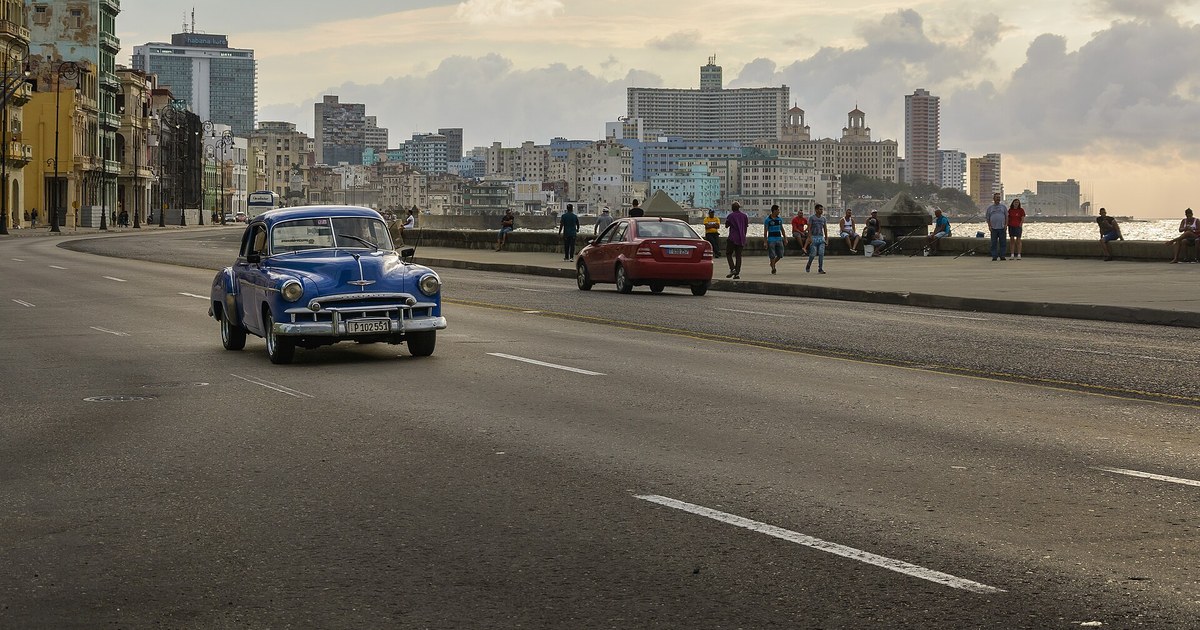
The 1950s Chevrolets and Buicks, called almendrones, survive because Cuba could not import American cars or parts for decades. Today a convertible tour is the signature Havana experience: about an hour past the Malecón, Revolution Square and the mansions of Vedado and Miramar. Agree the full price, the route and the duration before you get in, and pay in cash. Typical asking prices for a convertible run about $30 to 50 an hour (checked October 2026, planning baseline; negotiate, especially outside high season). The cars wait around Parque Central and the Hotel Nacional.
The Malecón, Vedado and Revolution Square
The Malecón, Havana’s 8-kilometer seafront wall, is the city’s living room. Come at sunset, when half of Havana is out fishing, courting and playing guitar. Behind it, Vedado is the leafier, grander district: the Hotel Nacional (take the history tour, then a cocktail on the terrace), the Coppelia ice cream park, and the vast Colón Cemetery, a city of marble in itself. At the top of Vedado, Plaza de la Revolución pairs the José Martí memorial tower with the famous Che Guevara mural on the Interior Ministry. It is a photo stop, not a place to linger, and it pairs naturally with the classic car route.
Music, Food and Nightlife
Eat in paladares, the private restaurants that now do Havana’s best cooking. La Guarida (book ahead; the building alone is famous from the film Fresa y Chocolate) and Doña Eutimia near the Cathedral are the two names to know, and ropa vieja is the dish to order. For music, Fábrica de Arte Cubano, a converted factory mixing galleries, stages and bars, is the best night out in the city. The Tropicana cabaret is the glamorous old-school option, and small bars in Old Havana run live son and salsa most nights. Expect to pay in cash everywhere.
Two More Worth Your Time
Fusterlandia, in the fishing suburb of Jaimanitas, is a neighborhood swallowed by mosaic art, the life’s work of artist José Fuster. It is joyful, strange and worth the taxi ride. Across the harbor, the fortresses of El Morro and La Cabaña guard the bay entrance; go to La Cabaña for the 9pm cañonazo, the cannon ceremony performed in period uniform since colonial times, and stay for the best night view of the city.
Where to Stay (Overview)
Most first-timers choose between Old Havana, for walking out of the door into the sights, and Vedado, for space, quiet and the Nacional end of town. The classic Cuban choice is a casa particular, a private room in a family home, typically $20 to 40 a night with hosts who double as your best source of local advice, including on money changing. The grand hotels (Nacional, Iberostar Parque Central, Gran Hotel Manzana Kempinski, Iberostar Grand Packard) cost many times more and suit travelers who want a full-service base. Book casas and hotels before arrival in high season; our Cuba travel guide covers the country-wide planning.
Beaches: Playas del Este
Havana has no beach in the city itself, but 20 to 30 minutes east lie the Playas del Este, a string of local beaches along one road. Santa María del Mar is the main one, with the most facilities and the liveliest scene. Guanabo, at the far end, is a working beach town with more of a local feel, and little Bacuranao is the quiet first stop. Go by taxi or the tourist bus from Parque Central, bring cash and small notes, and expect a fun, local beach day rather than a resort strip. Varadero’s resort beaches are a separate trip, about 2 hours east.
Getting There and Getting Around
Flights land at José Martí International Airport, about 30 minutes southwest of Old Havana; a pre-booked transfer or an official taxi on arrival is the simple option, paid in cash. Entry needs a tourist visa (e-visa for most nationalities) plus the D’Viajeros form and mandatory travel insurance; the full Cuba entry picture is in the country guide linked above. In the city, Old Havana and Centro are walkable, almendrón taxis and little yellow coco taxis cover the longer hops, and every fare gets agreed before the ride.
Best Time to Visit and How Many Days
For weather, Havana Cuba is best from December to April: the dry season, cooler and drier, with the best walking weather and the Havana Jazz Festival in January as a bonus. May to October brings heat, humidity, afternoon rain and the hurricane season. Three to 4 days cover Old Havana, Vedado, a car tour, Fusterlandia and a beach day at an easy pace. Add a day trip to Viñales (2.5 to 3 hours west) if you have a fifth day; Trinidad, at 4 to 5 hours, is an overnight, never a day trip.
FAQ
Is Havana safe for tourists?
Broadly yes. Violent crime against visitors is uncommon. Expect touts, the occasional pickpocket in crowded areas and taxi overcharging, which you avoid by agreeing every fare before the ride. Use the same street sense as in any big city after dark.
How many days do you need in Havana?
Three to 4 days for the city itself: Old Havana, Vedado, a classic car tour, the fortresses, Fusterlandia and a Playas del Este beach day. Add a day for Viñales.
What currency should I bring to Havana?
US dollars or euros in cash. US cards do not work, card payments generally are unreliable, and the informal exchange rate (tracked daily by elTOQUE) is far better than the official one. Change money through your casa host, not on the street.
Can Americans visit Havana?
Yes, under one of the 12 authorized travel categories; most independent travelers use Support for the Cuban People. Tourism as such is not authorized, US cards do not work, and the rules changed again in 2026, so read the dedicated guide before you book.
What is Havana best known for?
Havana Cuba is best known for Old Havana’s colonial plazas, 1950s classic cars, the Malecón at sunset, live music, rum cocktails and cigars. Those six are the core of almost every list of things to do in havana cuba, and rightly so.
When is the best time to visit Havana?
December to April, the dry season, for cooler weather and reliable walking days. January adds the Jazz Festival. Summer is hot, humid and wetter.