A Kyoto day trip from Osaka is one of the easiest day trips in Japan. Fast trains connect the two cities in about 30 minutes, so you can sleep in Osaka, with its late-night food streets, and still spend a full day among Kyoto’s shrines, temples, and old lanes. The trick is not trying to see everything. One day covers one strong route well, and this guide gives you that route, plus what to drop if you prefer a slower day.
Why base in Osaka and day-trip to Kyoto
Osaka stays lively late, while Kyoto quiets down once temple gates close in the evening. Trains run from early morning to late at night, so you can walk a peaceful shrine in Kyoto in the morning and eat takoyaki in Dotonbori the same night. That flexibility is the real advantage of the Osaka base, and it is why a day trip beats rushing a hotel change for a single night in Kyoto.
Which train: JR or Keihan
Your choice depends on where you start in Osaka. The JR Special Rapid runs from Osaka Station in Umeda to Kyoto Station in about 30 minutes, and it is covered by a JR Pass if you hold one. The Keihan Main Line runs from Yodoyabashi or Kyobashi in central Osaka and drops you beside eastern Kyoto sights like Fushimi Inari and Kiyomizu-dera, which suits this route’s morning plan. Hankyu from Osaka-Umeda runs to central Kyoto at Kawaramachi and Gion, and gives the fastest direct access to Arashiyama in the west. Pick the line that starts nearest your hotel, not the one a guide calls best in the abstract. Check pass coverage and timetables before travel, since pass rules and prices change.
The two-cluster rule
Kyoto’s sights spread across the city, and crossing town eats the day. The route below follows two clusters: the eastern cluster in the morning, Fushimi Inari and the Higashiyama lanes, and the western and northern cluster in the afternoon, Kinkaku-ji and Arashiyama, with Gion in the evening. If you want a slower day, drop one cluster stop, not a little time from every stop. Dropping Kinkaku-ji leaves a relaxed east-plus-Arashiyama day, and dropping Arashiyama leaves a relaxed east-plus-north day. Either cut still leaves a full, satisfying day.
Timed 1-day itinerary
8:00 AM: Fushimi Inari Taisha, first
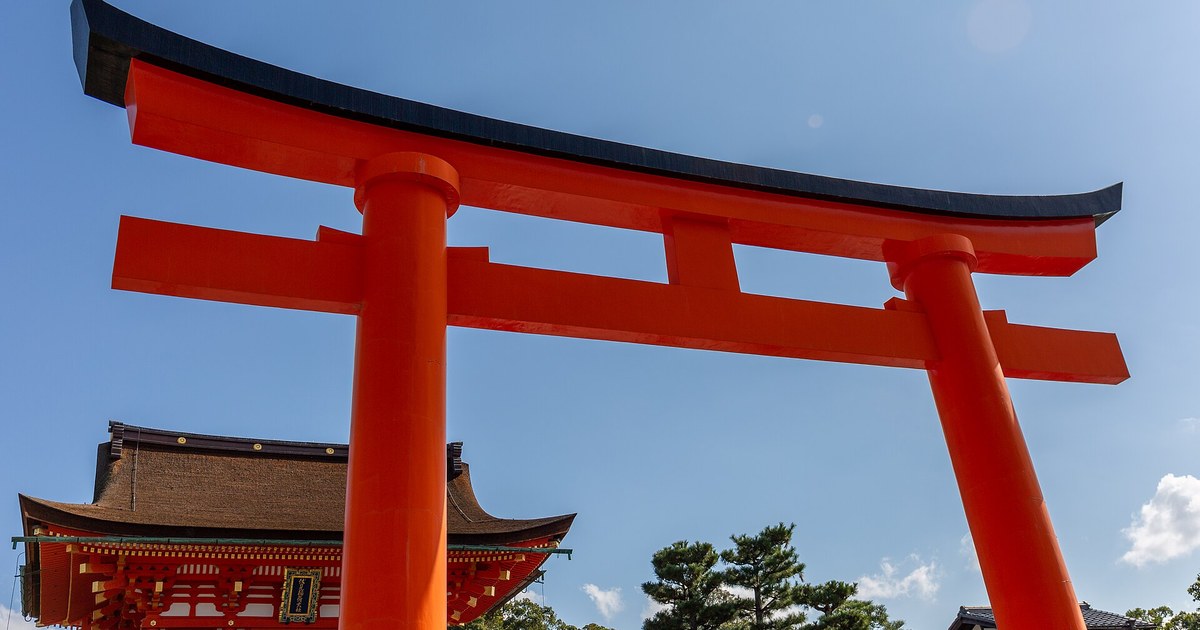
Start at Fushimi Inari, famous for thousands of vermilion torii gates winding up Mount Inari. Arrive early and the lower shrine paths stay peaceful, with morning light filtering through the gates, and the lower circuit takes roughly 45 minutes before tour groups arrive. Fox statues guard the stone stairways along the trail. This is the one stop where early arrival changes the experience most, so do it first, not last.
10:30 AM: Kiyomizu-dera and Higashiyama
Head north to Kiyomizu-dera, known for its wooden stage built without nails, with sweeping views across the Kyoto valley. Walk down afterward through the preserved Ninenzaka and Sannenzaka stone lanes, lined with matcha dessert shops and traditional tea houses. This is the most photogenic walking stretch of the day, and it doubles as lunch territory: duck udon near Kiyomizu-dera or food stalls in nearby Nishiki Market, which holds hundreds of stalls serving grilled seafood skewers and soy milk donuts.
1:30 PM: Kinkaku-ji, the Golden Pavilion
Cross town to northern Kyoto for Kinkaku-ji, whose top two floors shine with gold leaf reflected in the mirror pond. Paths loop around the water past pine gardens and moss gardens. This is the stop to drop if you want a slower afternoon, since it sits apart from both the eastern and western clusters.
3:30 PM: Arashiyama Bamboo Grove
Take the tram west to Arashiyama and walk the bamboo grove in soft late-afternoon light, then cross the Togetsukyo Bridge over the Oi River, where wooden riverboats float against forested slopes. For trail maps and the monkey park route, see our Arashiyama bamboo forest trails guide.
6:30 PM: Gion evening, then back to Osaka
Finish in Gion as lanterns light the preserved wooden teahouse lanes. For shrine and city navigation background, see our exploring Kyoto guide. Then take the Hankyu line from Kyoto-Kawaramachi back to Osaka-Umeda in about 40 minutes, in time for late-night dining in Dotonbori. Note that many traditional Kyoto restaurants close early, around 8 in the evening, which is one more reason the Osaka base works well for dinner.
Making this Kyoto day trip from Osaka work in practice
A few practical choices shape this Kyoto day trip from Osaka more than the route itself. First, leave Osaka early. The 8 AM Fushimi Inari start only works if you are on an early train, and the difference between a 7 AM departure and a 9 AM departure is the difference between quiet torii gates and a queue for the same photo. Second, buy an IC card such as ICOCA before you go. It covers trains and city buses in Kyoto, so you stop buying paper tickets at every change, and the bus ride across town to Kinkaku-ji becomes a tap instead of a transaction.
Third, plan for walking. This route covers shrine steps, temple grounds, bamboo grove paths, and old lanes, so comfortable shoes matter more than a camera upgrade. Carry water in summer, when Kyoto’s humidity is heavy, and a light layer in winter, when mornings at Fushimi Inari are cold before the sun clears the mountain. Finally, keep the evening return simple: know which station you leave from, Kyoto-Kawaramachi on Hankyu or Kyoto Station on JR, before you reach Gion, so the end of the day is a walk to a known platform rather than a tired search through a busy station.
Seasons change the day without changing the route. Cherry blossom season and autumn leaves bring the biggest crowds to Kiyomizu-dera and Arashiyama, so the early start matters even more then. Summer brings heat and sudden rain, so the bamboo grove and temple gardens feel best in the morning and late afternoon. Winter brings thinner crowds and crisp light, at the cost of shorter days, so trim the afternoon cluster first if daylight runs short. The route survives all four seasons; only the pacing changes.
If you have a second day trip
If Kyoto leaves you wanting a second day out of Osaka, Nara is the natural next choice, with its deer park and temples a short train ride away. See our guide to how to get to Nara from Osaka for the JR versus Kintetsu choice. For the wider region, our Kansai guide covers Kyoto, Osaka, and Nara together.
Frequently asked questions
How long does Osaka to Kyoto take by train? About 30 minutes on the JR Special Rapid from Osaka Station to Kyoto Station, and a similar time on other lines depending on your departure station.
Is one day in Kyoto enough? Enough for a strong highlights route like this one, not for the whole city. Treat it as a first taste, and plan a multi-day Kyoto stay for a deeper visit.
What should I do first in Kyoto on a day trip? Fushimi Inari, early. It rewards an early start more than any other stop, and the crowds build fast after mid-morning.
Is a JR Pass worth it for a Kyoto day trip? For a single day trip alone, usually not, since the return fare is modest next to the pass price. It makes sense when the day trip sits inside a longer multi-city rail itinerary. Check current pass prices and coverage before buying.