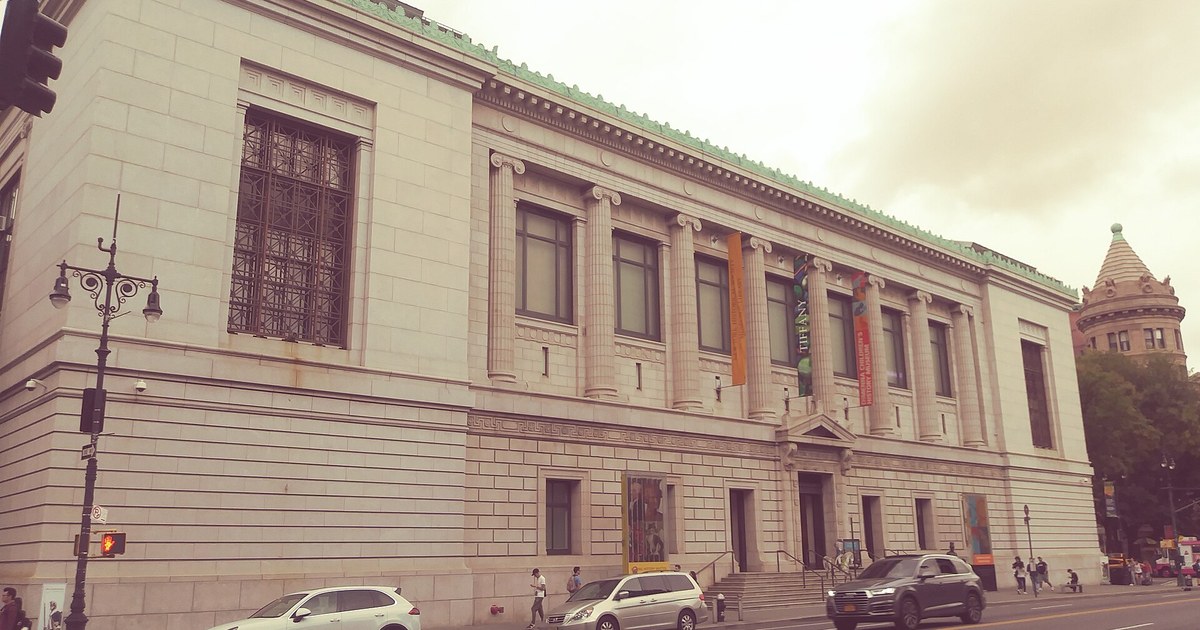
The American Museum of Natural History, on Central Park West in New York City, is one of the world’s largest natural history museums, with dinosaur fossils, animal dioramas, space exhibits, and human culture galleries, all under one roof. It is best for families, science lovers, and anyone who wants a museum that is about the natural world, not art, and it pairs well with Central Park, which sits just across the street. This guide covers the Natural History Museum in New York, from dinosaurs and space to animals, cultures, and visiting tips.
Dinosaurs and fossil halls
The dinosaur and fossil halls are the museum’s most famous galleries, with large dinosaur skeletons, fossil displays, and exhibits on evolution and ancient life, arranged by era and group. Start with the dinosaur halls if you have limited time, since they are the most popular and the most crowded, especially on weekends and school holidays, then move to smaller fossil galleries for a quieter look at ancient mammals and early life. Allow at least an hour for the dinosaur halls alone, and check current gallery hours before you go, since some halls can close for renovation.
Animals, dioramas, and biodiversity
The museum’s animal dioramas, showing animals in their natural habitats, are a classic part of the visit, with mammal halls, bird halls, and ocean life galleries, plus the Hall of Biodiversity, which explores how species are connected and why diversity matters. These galleries work well for children, since animals are life sized and easy to spot, and for adults who enjoy natural history, since dioramas show habitats from around the world in one place. Pair the animal halls with the ocean life gallery, home to a large blue whale model, for a fuller natural world visit.
Space, Earth, and human cultures
The Rose Center for Earth and Space, with the Hayden Planetarium, covers astronomy, planets, and the history of the universe, with space shows and exhibits on Earth science, making it a good contrast to dinosaur and animal halls. Human culture galleries, including halls on Native American peoples, African peoples, and Asian peoples, show tools, clothing, and art from cultures around the world, though these galleries are more text heavy and better for older children and adults. Allow time for both space and culture galleries if you have a full day, since they add depth beyond dinosaurs and animals.
Families and Central Park pairing
For families, start with dinosaurs and animals, since children enjoy those halls most, then add space or a culture gallery if energy allows, rather than trying to cover the whole museum in one visit. Breaks help, especially for younger children, so plan a pause in Central Park, just across Central Park West from the museum, with playgrounds, paths, and open lawns for a rest between galleries. Pairing a museum morning with a Central Park afternoon gives a balanced Upper West Side day, from indoor science to outdoor green space, without adding another ticketed attraction to the same day.
Visiting tips: tickets, hours, and planning
Check current hours, ticket rules, and any timed entry requirements before you go, since the museum is ticketed and popular exhibitions can require advance booking, plus security checks at the entrance. The museum is large, with multiple floors and wings, so pick two or three galleries in advance instead of trying to see everything, and allow half a day for a focused visit, or a full day for a thorough visit. Visit in the morning, when the museum is usually quieter, wear comfortable shoes, and bring water, since walking distances add up. For museum planning across the city, see our guide to best museums in New York and our guide to things to do in New York City for the wider trip.
Disclosure: This post contains affiliate links. If you book through them, we may earn a commission at no extra cost to you.
Compare hotels near Central Park, New York on Booking.com for your dates.
The Natural History Museum rewards picking a few galleries and seeing them well. See our guide to best museums in New York for other museums, our guide to things to do in New York City for the wider trip, and our guide to cheap eats in NYC for affordable meals after a museum visit.