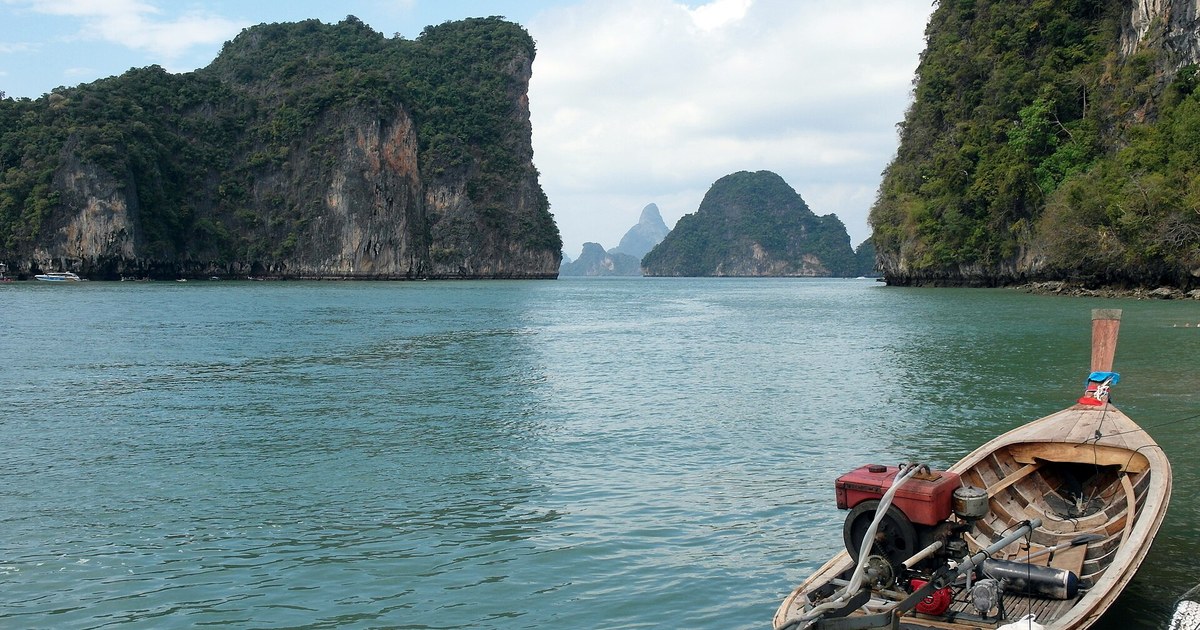
The best beaches in Thailand are spread across two coasts, and that geography decides almost everything about a beach trip: the Andaman Sea on the west, and the Gulf of Thailand on the east, with different weather patterns, different island characters, and different ways of getting around. This guide is the national overview only: it explains the two coasts, how to choose between them, and what to expect from Thailand’s beaches in general, and it points to the regional guides for the detail. It does not try to be a Phuket guide, a Samui guide, an Andaman guide, or a tour guide: those posts own their own regions, and this post stays with the national picture.
Two coasts, two characters
Thailand’s beaches fall into two families, and the first choice for any trip is between them. The Andaman coast, on the west, includes Phuket, Krabi, and the Andaman islands, and it is known for dramatic limestone scenery, clear water, and a lively beach scene, with busy beaches and quieter coves in the same region. The Gulf coast, on the east, includes Koh Samui and the Gulf islands, and it is known for calmer water, palm-fringed shores, and a more relaxed pace, with its own busy and quiet corners. Neither coast is simply better: the Andaman coast suits travellers who want dramatic scenery and a wide choice of beaches and activities, while the Gulf coast suits travellers who want calmer water and a slower pace, and the right choice depends on what the trip is for, not on a ranking.
How to choose: season, scene, and travel style
Choosing a Thailand beach starts with three questions: season, scene, and travel style. Season matters because the two coasts have different weather patterns, so a beach that is calm in one season can be rough in another, and the practical advice is to check the season for the chosen coast at planning time, rather than assuming all of Thailand shares one beach season. Scene matters because Thailand’s beaches range from lively, with nightlife, restaurants, and water sports, to quiet, with few facilities and long empty stretches, and the right scene depends on whether the trip is for nightlife, families, couples, or solitude. Travel style matters because some beaches are easy to reach by road and ferry, while others need a boat and more planning, and the practical advice is to match the beach to the travel style, not to force a difficult journey for a beach that does not suit the trip.
The Andaman coast, in brief
The Andaman coast is Thailand’s best-known beach region, and it is covered in detail by the Andaman coast guide. In brief, it offers limestone cliffs, clear water, and a wide range of beaches, from busy resort beaches to quieter coves, and it suits travellers who want variety in one region. Phuket, the largest island, has its own guide, linked below, and Krabi’s beaches, including the Railay area, are covered by the Andaman guide and by the banked Railay guide, not here. This post gives only this pointer, because the Andaman coast deserves its own guide, and repeating it here would duplicate that post.
The Gulf coast, in brief
The Gulf coast is Thailand’s calmer beach region, and it is covered in detail by the Gulf beaches guide. In brief, it offers palm-fringed shores, calmer water, and a more relaxed pace, and it suits travellers who want a slower beach trip, especially families and couples. Koh Samui, the largest Gulf island, has its own guide, linked below, and the smaller Gulf islands offer quieter alternatives within the same coast. This post gives only this pointer, because the Gulf coast deserves its own guide, and repeating it here would duplicate that post.
Phuket, Koh Samui, and Bangkok-area beaches: pointers
Three regional guides complete the national picture, and each is linked here as a pointer, never as a section. Phuket’s beaches are covered by the Phuket beach guide, which owns Phuket’s beaches, including its busy resort beaches and quieter coves. Koh Samui’s beaches are covered by the Koh Samui beach guide, which owns Samui’s beaches. Beaches near Bangkok are covered by the near-Bangkok beach guide, which owns the Bangkok-area beaches for travellers who want a beach trip without a long journey from the capital. Tours that combine Thailand’s beaches are covered by the southern Thailand and Andaman coast tours guide, which owns tour intent, while this post stays with the beaches themselves.
Quieter beaches: what quiet really means
Quieter beaches in Thailand are a real choice, but quiet means different things, and the practical advice is to be specific about what quiet is wanted. Some quieter beaches are quiet because they are harder to reach, with a boat journey or a long drive, and they suit travellers who accept that journey for empty sand. Others are quiet because they are away from the main resort areas, but still easy to reach, and they suit travellers who want quiet without a difficult journey. Still others are quiet at certain times, such as early morning or low season, but busy at other times, and they suit travellers who can time their visit. This post gives no ranked list of named hidden beaches, because such lists go out of date and overstate how hidden a beach is: the useful approach is to choose a coast, choose a region, and then look for quieter beaches within that region, using the regional guides, rather than chasing a national hidden-beach list.
Beach towns and beach cities
Thailand’s beach towns and beach cities are part of the beach experience, because they provide the restaurants, transport, and accommodation that make a beach trip work. Beach towns suit travellers who want a beach stay with local character, smaller scale, and easy access to the sand, while beach cities suit travellers who want a wider choice of restaurants, nightlife, and services, with the beach as one part of a larger stay. The practical advice is to choose the town or city to match the trip: a quiet beach town for a quiet trip, a beach city for a trip that mixes beach and city life, and to check transport from the town or city to the chosen beach, because a beach that looks close on a map can still need a boat or a long drive.
Frequently asked questions
What are the best beaches in Thailand?
There is no single best beach, because the right beach depends on coast, season, scene, and travel style. The Andaman coast suits dramatic scenery and variety, the Gulf coast suits calmer water and a slower pace, and the regional guides linked above give the detail for each region.
Which coast is better, Andaman or Gulf?
Neither coast is simply better. Choose the Andaman coast for dramatic scenery and a wide choice of beaches, and the Gulf coast for calmer water and a slower pace, and check the season for the chosen coast at planning time.
Are there quiet beaches in Thailand that are not touristy?
Yes, but quiet means different things: harder to reach, away from resort areas, or quiet at certain times. Choose a coast and region first, then look for quieter beaches within that region, using the regional guides, rather than chasing a national hidden-beach list.
Final thoughts
The best beaches in Thailand are best approached as a national choice first, then a regional choice: Andaman or Gulf, season, scene, and travel style, then the regional guide for the chosen area. That order avoids the common mistake of picking a single famous beach without checking whether its coast, season, and scene suit the trip, and it keeps the national overview doing what it should do, which is to point to the right regional guide, not to replace it.