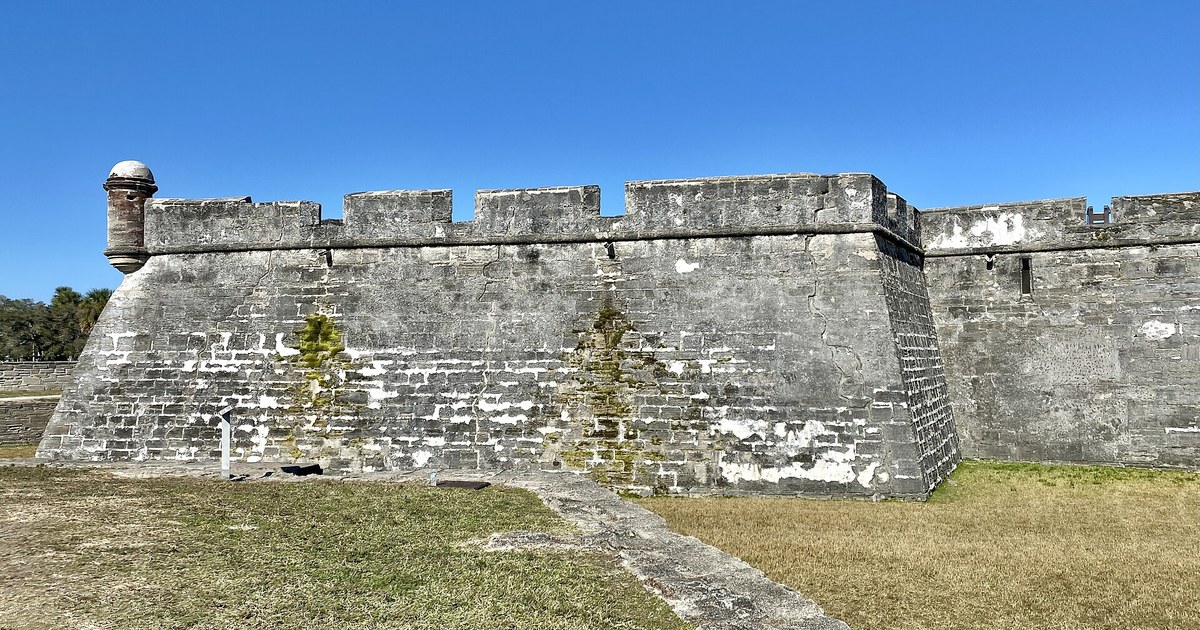
What to do in St. Augustine, Florida, starts with history, since St. Augustine, on Florida’s Atlantic Coast, is the oldest continuously inhabited European established city in the continental United States, founded by Spanish explorers in 1565, with a historic old town, a stone fort, and Spanish colonial streets that make it one of Florida’s most walkable cities. Beyond history, St. Augustine offers beaches, food, ghost tours, museums, and a relaxed coastal atmosphere, making it a good choice for history lovers, couples, and families who want a smaller Florida city with character. This guide covers what to do in St. Augustine, Florida, from the old town and Castillo to beaches, food, tours, seasons, and visiting tips.
Historic old town and Castillo de San Marcos
St. Augustine historic old town, centered on St. George Street, offers a pedestrian friendly area with shops, restaurants, museums, and historic buildings, plus Spanish colonial architecture, courtyards, and gardens, making it the heart of any St. Augustine visit. Castillo de San Marcos, on the bayfront, is a stone fort built by the Spanish in the late 1600s, with walls, bastions, and views over Matanzas Bay, plus ranger programs and exhibits on the fort’s history, making it a must for history visitors, with a National Park Service site that covers Spanish, British, and American periods. The old town also includes historic churches, the oldest wooden schoolhouse, and a historic district with markers and walking tours, so allow at least half a day for the old town and fort alone, rather than rushing through in an hour, and wear comfortable walking shoes, since old town streets are cobblestone and brick in places.
For history lovers, St. Augustine museums cover colonial life, maritime history, and local stories, with a mix of large museums and small historic houses, making it easy to go deep on a specific interest, whether Spanish colonial history, pirate history, or everyday life in old St. Augustine. Walking tours, including historic walking tours and ghost tours, offer guided introductions to the old town, with ghost tours in the evening offering a fun, spooky look at St. Augustine’s reputation as one of America’s most haunted cities, a claim that tour operators make, with stories tied to old buildings and cemeteries, making ghost tours a popular evening activity, especially for couples and groups.
Beaches: St. Augustine Beach and Vilano Beach
St. Augustine Beach, on Anastasia Island, offers a wide Atlantic beach with sand, surf, and a beach town atmosphere, plus a pier, restaurants, and shops, making it the main beach for St. Augustine visitors, with a more relaxed feel than South Florida beaches. Vilano Beach, north of St. Augustine, offers a quieter beach, with fewer crowds, plus fishing and views over the inlet, making it a good choice for visitors who want a peaceful beach day, plus easy access to the old town by car or bike. For more Florida beaches, see our guide to Florida beaches for Gulf, Atlantic, Panhandle, and Keys shores, and our guide to things to do in Florida for statewide planning, including other Atlantic beaches like Daytona Beach and Cocoa Beach.
Food, tours, and evening in St. Augustine
St. Augustine food includes seafood, with fresh fish, shrimp, and oysters in old town and beach restaurants, plus Southern food, Spanish inspired dishes, and casual cafes, making old town St. George Street and the bayfront good areas for meals, especially seafood with a historic atmosphere. Evening in St. Augustine offers ghost tours, live music, and waterfront dining, plus a relaxed nightlife that suits couples and groups, with bars and restaurants in the old town staying busy into the evening, especially on weekends. Day trips from St. Augustine include Anastasia State Park, with beaches, trails, and camping, plus historic sites and nature areas nearby, making St. Augustine a good base for a few days, rather than a single day trip, if you want beaches plus history.
Anastasia State Park and day trips
Anastasia State Park, on Anastasia Island near St. Augustine Beach, offers beaches, trails, camping, and wildlife, with a maritime hammock, dunes, and tidal marshes, making it a good nature complement to the old town, especially for visitors who want hiking, birding, or camping near St. Augustine. The park includes a beach, a nature trail, and a campground, plus kayak launches and picnic areas, making it a full day nature option, or a half day add on to a beach visit, with park conditions and facilities that change seasonally, so check current park information before visiting. Day trips from St. Augustine also include Jacksonville, with museums, a riverwalk, and beaches, plus Daytona Beach, with a boardwalk, motorsports history, and a wide beach, making St. Augustine a good base for Atlantic Coast exploring, with both cities within an easy drive, plus smaller historic towns and nature areas nearby for visitors who want a slower pace.
Seasons and how to spend a day
Spring and fall, from March to May and October to November, are the best seasons for St. Augustine, with mild weather, fewer crowds than summer, and good walking conditions for the old town, making them ideal for history and beach visits alike. Summer, from June to September, is hot, humid, and rainy, with afternoon thunderstorms, plus busy beaches and old town crowds, so plan morning history walks and afternoon beach time, with water and sun protection, while winter, from December to February, offers cooler, quieter conditions, plus holiday lights in the old town, making it a festive season for couples. For a full day, start with Castillo de San Marcos and the old town in the morning, lunch on St. George Street, then beach time at St. Augustine Beach in the afternoon, finishing with a ghost tour or waterfront dinner in the evening, making St. Augustine a complete history plus beach day in one city.
Visiting tips: getting there and planning
St. Augustine is on Florida’s Atlantic Coast, between Jacksonville and Daytona Beach, reached by car from Jacksonville International Airport and other Florida cities, with a car recommended for beaches and day trips, though the old town itself is walkable. Allow at least two days for St. Augustine, including one old town plus fort day and one beach day, rather than rushing through in a single day, and book old town hotels early in spring, fall, and holiday weeks, since the old town is small and popular. Check current fort, museum, and tour hours before visiting, since hours and tour availability change seasonally, and pair St. Augustine with other Atlantic Coast cities, using our guide to Florida beaches for Daytona and Cocoa Beach, and our guide to things to do in Florida for statewide planning. St. Augustine’s small size makes it easy to explore on foot, with most old town sights within walking distance of each other in the historic district.
Disclosure: This post contains affiliate links. If you book through them, we may earn a commission at no extra cost to you.
Compare hotels in St. Augustine, Florida on Booking.com for your dates.
St. Augustine offers history, beaches, food, and ghost tours in a walkable old city. See our guide to Florida beaches for more shores, and our guide to things to do in Florida for statewide planning.