Things to do in Italy stretch from ancient ruins and Renaissance art to coastal walks, mountain hikes, and long lunches that are an experience in themselves. Italy rewards visitors who mix the famous sights with slower pleasures: a morning in a museum, an afternoon in a neighbourhood market, and an evening in a piazza with no agenda at all. This guide covers the best things to do in Italy as experiences, not as a list of destinations, with pointers to the places, seasons, cost, and transport guides where those details belong.
Walk through history, not just past it
History is the first experience most visitors seek in Italy, and the best way to enjoy it is on foot, at a slow pace, rather than rushing from one famous site to the next. Ancient ruins, medieval towns, and Renaissance cities all reward walking, because the streets between the sights are part of the experience: a quiet courtyard, a local bakery, a view that opens suddenly at the end of a lane. In Rome, the ancient centre is best explored on foot, and the full Rome guide covers the detail this Italy-wide guide deliberately does not repeat. In smaller towns, the same rule applies: walk the old centre first, then decide which museum or church deserves your time, rather than planning every hour in advance.
Museums deserve the same slow approach. Italy’s great museums are large, and trying to see everything in one visit is the fastest way to enjoy nothing. Pick one collection or one wing, give it an hour or two, and leave while you still enjoy it. Booking timed entry in advance, where available, saves the longest queues at the busiest museums, and early morning or late afternoon visits are usually quieter than midday. This is not a museum list: it is a way of visiting that works across the country, from the largest national museums to small town collections.
Eat and drink like a local
Food is not a side activity in Italy, it is one of the main things to do, and it changes by region in ways that surprise first-time visitors. Pasta, pizza, and gelato are famous everywhere, but each region has its own dishes, wines, and traditions, and eating regionally is one of the best ways to understand where you are. A long lunch in a family-run trattoria, a morning coffee standing at a bar, and an evening aperitivo in a piazza are all experiences in themselves, not just meals between sights. Markets are the best place to start: they show you what is in season, what locals actually buy, and where the good small restaurants tend to cluster nearby.
Wine and food tours suit visitors who want to learn rather than just taste, and vineyard visits in the countryside offer a slower day than a city, with landscapes that are worth the trip on their own. Olive oil tastings, cheese producers, and cooking classes all give you a skill or a story to take home, which is more than a restaurant meal offers. If you only have time for one food experience, make it a market morning followed by a long lunch, because that combination shows you both the ingredients and the cooking in a single day.
Get outside: coast, countryside, and mountains
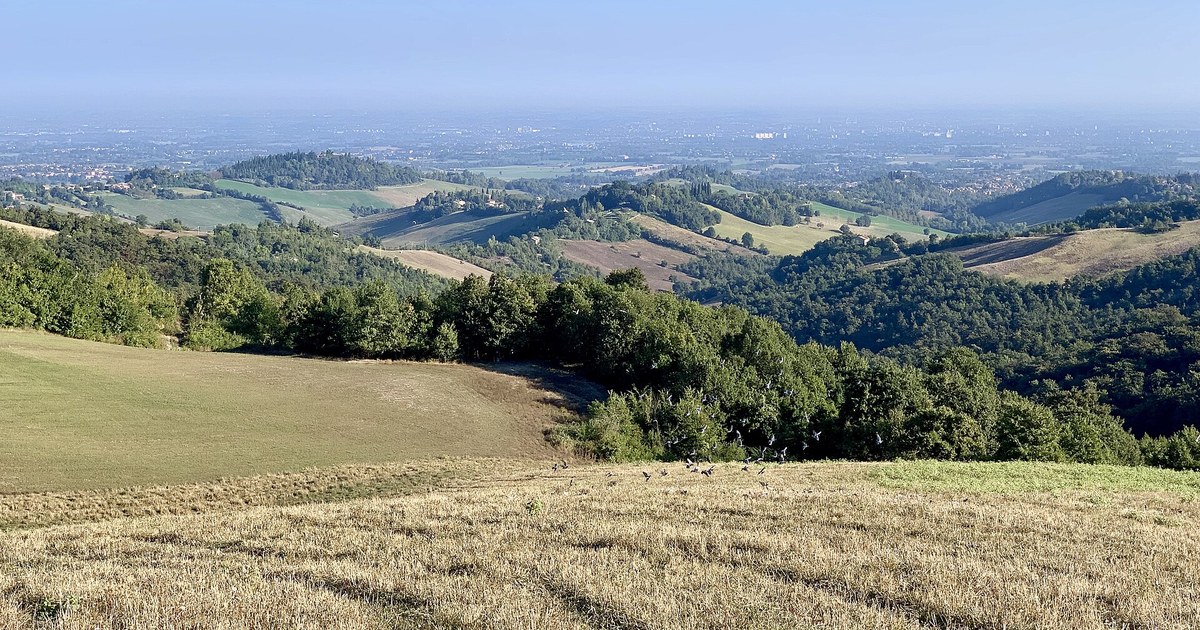
Outdoor experiences are the counterweight to Italy’s museums and cities, and they suit every level of fitness. Coastal walks along cliffs and beaches, countryside paths through vineyards and olive groves, and mountain trails in the Alps and the Apennines all offer a different Italy from the cities, with quieter crowds and wider views. The Tre Cime hike, covered in its own post, is one of the best known mountain walks, and it shows the pattern: a full day outdoors, planned around weather and daylight, rewards you more than a rushed photo stop. Lakes offer a gentler version of the same idea, with boat trips, lakeside walks, and small towns that are easy to explore without a car for a day.
Beaches are a separate experience from coastal walks, and Italy’s beaches range from long sandy stretches to small coves reached on foot. A full Italy beaches guide is banked as a separate post, so this guide only notes the pattern: beach days suit the warmer months, coastal walks suit spring and autumn, and the best time guide covers seasons in detail. Whatever the season, bring walking shoes even for city days, because Italy’s old centres are paved, hilly, and best explored on foot.
Unique Italian experiences
Unique Italian experiences are the ones that do not fit a standard sightseeing list, and they are often the ones visitors remember best. A night walk through an old town after the day crowds leave, a small concert in a church, a workshop with a local artisan, or a festival in a village square all show you Italy at a human scale. Festivals and local events are worth checking before you travel, because they can transform a quiet town into a lively one for a weekend, and they are also the times when accommodation books up earliest. Artisan workshops, from ceramics to leather to paper, suit visitors who want to see how things are made, and they support local makers in a way that souvenir shopping does not.
For a bucket list approach, the Italy bucket list is best built from experiences, not just places: one ancient site, one great museum, one coastal walk, one mountain or countryside day, one food market morning, and one evening in a piazza with no plan. That mix covers the country better than a list of ten famous sights ticked off in a rush, and it leaves room for the unplanned discoveries that make a trip memorable. A full Italy bucket list, built this way, is a blend of this post, not a separate post, because the experiences themselves are the list.
Winter and summer in Italy
Winter in Italy suits visitors who prefer museums, cities, and food without summer crowds. Winter days are shorter and cooler, which makes city walking and museum visits more comfortable, and Christmas markets and winter festivals add a seasonal layer to the cities. Summer in Italy suits beaches, lakes, coastal walks, and long evenings outdoors, though the busiest sights are at their most crowded and the heat makes midday city walking harder. The full season guide, linked below, covers when to go in detail, and this section is only a pointer: winter for cities and culture, summer for coast and outdoors, spring and autumn for the best balance of both.
Planning pointers: seasons, cost, and transport
Planning an Italy trip starts with three questions, and each has its own guide on this site. When to go is covered by the best time to visit Italy post, which covers seasons, weather by month, and crowds. What it costs is covered by the Italy cost post, which covers trip budgets without repeating the transport detail. How to get around is covered by the Italy transport post, which covers trains and local transport in detail. This post deliberately does not repeat those guides: it covers what to do, and it points you to them for when, what it costs, and how to move. An Italy itinerary post and an Italy road trip post are banked as separate posts, so this guide also does not try to be an itinerary: it gives you the experiences to choose from, and the itinerary post will join them into routes when it is written.
Frequently asked questions
How many days do I need for Italy?
Ten days is a good first trip: a few days in one or two cities, a countryside or coastal day, and a slower day with no fixed plan. A week is enough for one region done well, not for the whole country. Two weeks lets you add a second region or a mountain or island stay without rushing.
What is the best first experience in Italy?
A morning walk through an old town centre, followed by a market visit and a long lunch, shows you history, food, and daily life in a single day. It works in almost any Italian city or town, and it is a better first experience than a rushed tour of famous sights.
Is Italy better in summer or winter?
Summer suits beaches, lakes, and long evenings outdoors, while winter suits cities, museums, and food without crowds. Spring and autumn balance both. The best time post covers seasons in detail, and this post does not repeat it.
Do I need a car in Italy?
Not for cities, where trains and walking cover most trips. A car helps in the countryside, for vineyards, small towns, and mountain areas, but it is a burden in city centres. The Italy transport post covers trains and local transport in detail.
What should I not miss in Italy?
One ancient site, one great museum, one coastal or countryside day, one market morning, and one evening in a piazza. That mix covers the country’s main experiences better than a long list of famous sights ticked off in a rush.
Final thoughts
Things to do in Italy are best chosen as a mix, not a checklist: history on foot, food in markets and trattorias, one outdoor day, and one unplanned evening in a piazza. Start with those four, add a museum or a coastal walk where they fit, and let the seasons, cost, and transport guides handle the planning around them. That balance shows you Italy as a place to experience, not just a list of sights to photograph.