The best time to visit Italy depends on what you want from the trip, because Italy does not have one best season: it has four different trips, one per season, and the right one depends on whether you prefer cities, coast, mountains, or festivals. This guide covers when to visit Italy by season, what the weather is like in general terms, how crowds change, and which season suits which kind of trip, with pointers to the places, things-to-do, cost, and transport guides for the detail this timing guide deliberately does not repeat.
The short answer, by trip type
For most first-time visitors, spring and autumn are the best balance: mild weather for walking cities, fewer crowds than summer, and countryside and coast that are pleasant without summer heat. For beach and lake trips, summer is the obvious choice, with long days and warm water, though the busiest sights are at their most crowded. For cities, museums, and food, winter is the quietest and most comfortable for walking, with shorter days and cooler weather as the trade-off. For mountains, the best time depends on the activity: hiking suits late spring through early autumn, while winter sports suit the coldest months. If you only have one rule, make it this: spring and autumn for cities and countryside, summer for coast, winter for quiet cities.
Italy in spring
Italy in spring brings mild days, flowers in the countryside, and cities that are busy but not yet at summer levels. Walking old centres is comfortable, outdoor cafes fill up, and the countryside is at its greenest. Spring suits a first trip that mixes cities and countryside, and it suits walking holidays and food trips, because markets are full of spring produce. Rain is possible, especially in the north, so a light waterproof layer is worth packing, but long spells of bad weather are not the norm. Easter and public holidays can bring short crowd peaks, so check holiday dates when you book, rather than assuming spring is always quiet.
Italy in summer
Italy in summer is hot, especially in the south and in cities, with long days, warm evenings, and the busiest sights of the year. Summer suits beach and lake trips, coastal walks in the early morning or late afternoon, and festivals and outdoor events that only happen in the warm months. For city sightseeing, summer needs a plan: start early, rest in the middle of the day, and return in the evening, because midday heat makes walking hard and queues longest. Book accommodation and popular sights well in advance for summer, because the best places fill up earliest, and expect higher prices than in the quieter seasons, which the cost post covers in detail.
Italy in autumn
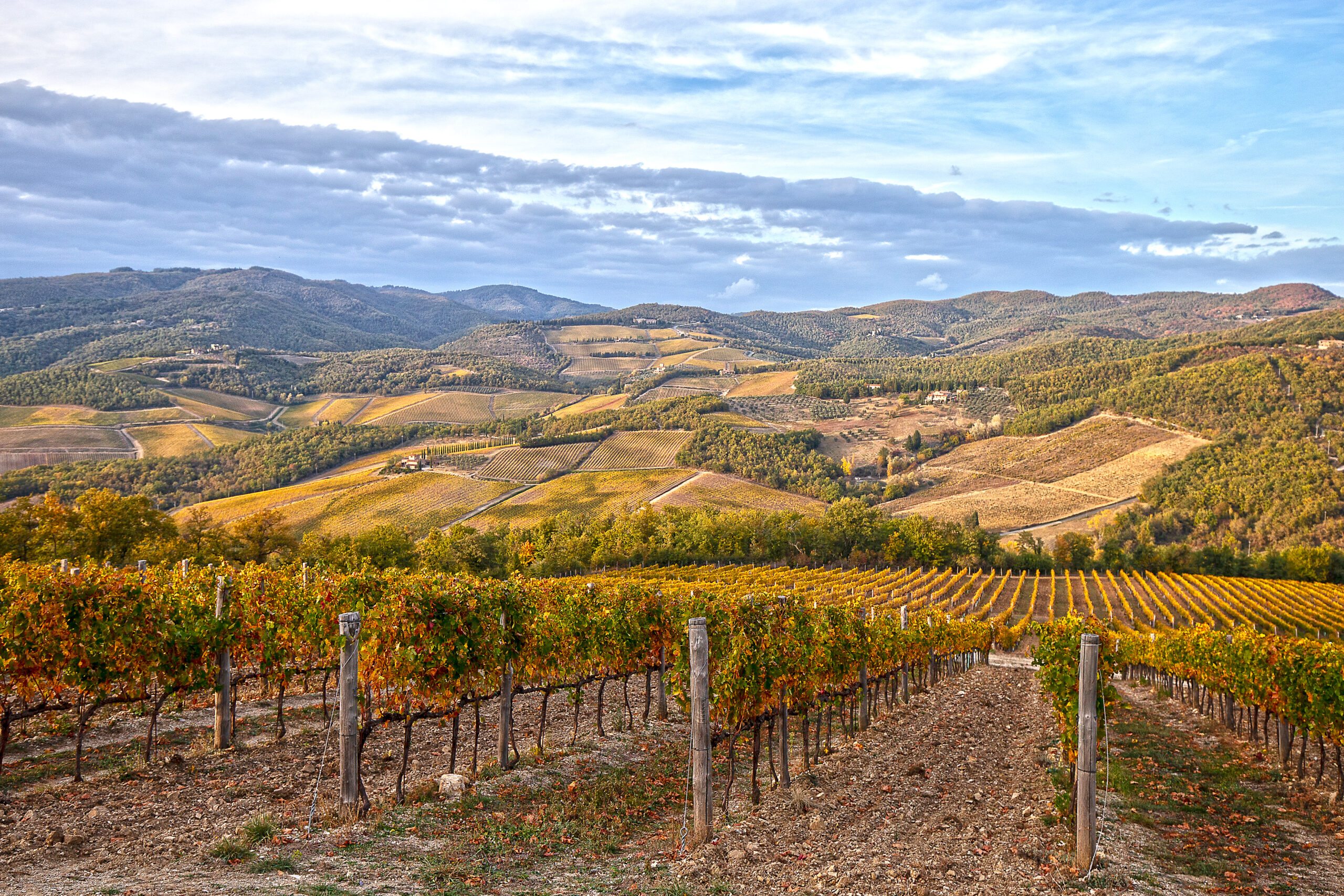
Italy in autumn is often the favourite season for repeat visitors: warm days in the early part, cooler days later, harvest food and wine events, and crowds that thin after summer. Autumn suits cities, countryside, and food trips, with grape harvests and truffle and mushroom seasons adding a food layer to the trip. The countryside changes colour, which suits walking and photography, and the coast is still pleasant in early autumn, though beach swimming becomes less reliable as the season goes on. Rain increases as autumn progresses, especially in the north, so the same light waterproof layer as spring is worth packing.
Italy in winter
Italy in winter is the quietest season for cities, with the shortest queues, the most comfortable walking temperatures for sightseeing, and Christmas markets and winter festivals in December. Winter suits museums, food, and city breaks, and it suits visitors who prefer a calm trip to a crowded one. Days are short, some coastal and island services run less often, and mountain areas are cold, so winter is not the season for a beach trip or for island-hopping without checking services first. For a city-only trip, winter is often the best value season, with lower accommodation demand than summer, which the cost post covers.
Italy weather by month, in general terms
Italy weather by month follows a simple pattern, with regional differences that matter: the north is cooler and wetter than the south, the mountains are colder than the coast, and the islands are milder in winter than the mainland. Rather than a table of exact temperatures, which would be misleading across such a varied country, use this seasonal summary: spring is mild and green, summer is hot and dry in most places, autumn is mild then cooler with more rain, and winter is cool in the cities, cold in the mountains, and mild on the southern coast and islands. For a specific city or region, check a local forecast close to departure, because a national average hides the differences between, say, Milan and Sicily.
Crowds, prices, and booking timing
The Italy tourist season peaks in summer, with the busiest months also the most expensive for accommodation and the hardest for popular sights. Shoulder seasons, spring and autumn, offer a balance of pleasant weather and thinner crowds, while winter offers the quietest cities and the lowest demand. Booking timing follows the same pattern: summer needs the earliest booking, shoulder seasons need advance booking for popular places but less urgency, and winter is the most flexible. This guide does not repeat prices or budgets, because those change and belong in the cost post, but the pattern is stable: peak season costs more and books earlier, quiet season costs less and books later.
Best time for cities, regions, and combined trips
Best time to visit Rome follows the national pattern: spring and autumn are most comfortable for walking the ancient centre, summer is hot and crowded, and winter is quiet. Best time to visit Venice is similar, with spring and autumn best for walking, summer busy, and winter quiet but with the chance of high water in the lagoon, which is worth checking before a winter visit. Best time to visit Tuscany is spring and autumn for countryside and walking, summer for long evenings and festivals, and winter for quiet towns. These are sections only, not city guides: Rome, Venice, and Tuscany each have their own guides or banked posts, and this guide only covers their timing.
Best time to visit southern Italy is longer than the north: spring starts earlier, autumn stays warm later, and summer is hotter, so shoulder seasons are even more valuable in the south. Best time to visit the Dolomites depends on activity: hiking from late spring through early autumn, winter sports in the cold months, with the in-between months quietest. Best time to visit Sardinia is late spring through early autumn for beaches, with winter quiet and some services reduced. Best time to visit Italy and Greece on a combined trip is late spring or early autumn, when both countries are warm without summer crowds, and ferry and flight connections are frequent.
Planning pointers: places, things to do, cost, and transport
Once you have chosen a season, the other guides take over. Where to go is covered by the Italy places post, which lists cities, towns, coast, and countryside. What to do is covered by the Italy things-to-do post, which covers experiences rather than destinations. What it costs is covered by the Italy cost post, and how to get around is covered by the Italy transport post. This guide deliberately does not repeat those guides: it covers when to go, and it points you to them for where, what, what it costs, and how to move.
Frequently asked questions
What is the best month to visit Italy?
There is no single best month: May and September are the most popular answers for a balance of weather and crowds, June suits coast trips, and December suits quiet cities and Christmas markets. Choose by trip type, not by a single month ranking.
When is Italy least crowded?
Winter, outside Christmas and New Year, is least crowded in the cities. Late autumn and early spring are the next quietest, with shoulder-season weather that is still pleasant for walking.
Is summer a bad time to visit Italy?
No, summer is the best time for beaches, lakes, and festivals, but it is the worst time for crowded city sightseeing in the heat. Plan city days around early mornings and evenings, book ahead, and summer works well.
Does it rain a lot in Italy?
Rain is most likely in spring and autumn, especially in the north, and least likely in summer. A light waterproof layer is worth packing in every season except high summer, when a sudden shower is still possible.
When should I book for a summer trip?
As early as you can, especially for popular cities and coastal accommodation. Summer is the peak season, and the best places book up months ahead, while winter and shoulder-season trips are far more flexible.
Final thoughts
The best time to visit Italy is the season that matches your trip: spring and autumn for cities and countryside, summer for coast and festivals, winter for quiet cities and food. Pick the season first, then use the places, things-to-do, cost, and transport guides to build the trip around it, and check a local forecast close to departure for the specific region you are visiting. That order, season first, details second, gives you the best version of Italy for the trip you actually want.