Choosing where to stay in Hawaii matters as much as choosing which island, because the islands are spread out and each one has different hotel areas, prices, and trade offs. This guide covers Hawaii hotels by island, from Waikiki resorts on Oahu to condos on Maui, resort areas on Big Island, and the sunny and green sides of Kauai, plus budget tips and booking advice that apply across all four main islands. It names areas and hotel types rather than specific properties, so the advice stays useful even as individual hotels change.
Oahu: Waikiki, North Shore, and Ko Olina
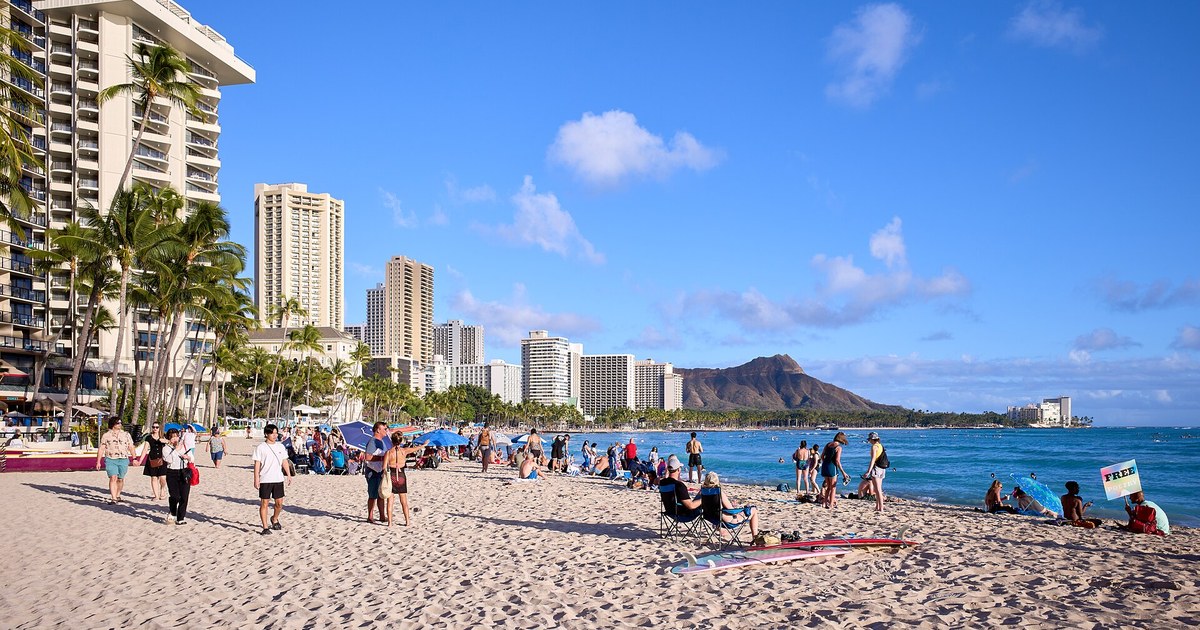
Oahu has the widest hotel choice in Hawaii, and most first time visitors stay in Waikiki. Waikiki is walkable, with beachfront resorts, smaller hotels a few blocks back from the beach, restaurants, and bus connections to Pearl Harbor, Diamond Head, and Ala Moana. It is also the busiest hotel area in the state, so expect crowds at the beach and on the main strip. For a quieter Oahu stay, the North Shore offers surf town lodging and vacation rentals around Haleiwa, with a slower pace and bigger waves in winter. Ko Olina, on the west side, is a planned resort area with calm lagoons, good for families who want a resort stay away from Waikiki crowds.
Maui: Kaanapali, Wailea, Kihei, and Hana
Maui hotels cluster in three main areas. Kaanapali and Wailea, on the west and southwest coasts, hold the large beachfront resorts, with pools, restaurants, and direct beach access. Kihei, just north of Wailea, has more condos and smaller hotels, and it is usually the more budget friendly base on Maui, with a central location for day trips. Hana, at the far end of the Road to Hana, has small inns and a remote feel, best as a short add on rather than a whole trip base, since the drive in takes time and services are limited.
Big Island: Kohala Coast, Kona, and Hilo
Big Island is large enough that where you stay shapes what you can see. The Kohala Coast, around Waikoloa, holds the main resort area, on the sunny and dry side of the island, with beaches and golf courses. Kona town, on the west coast, is walkable, with mid range hotels, restaurants, and coffee farms nearby, and it works well as a base for the west side sights. Hilo, on the east side, is wetter and greener, with smaller hotels and a lower price level, and it is the better base for Hawaii Volcanoes National Park and the east side waterfalls, though it rains more often than the west side.
Kauai: Poipu, Princeville, and Lihue
Kauai hotels split between the sunny south and the green north. Poipu, on the south shore, is the sunniest hotel area, with resorts and condos near swimmable beaches. Princeville, on the north shore, is greener and rainier, with resorts and vacation rentals near Hanalei Bay and the Na Pali Coast viewpoints. Lihue, near the airport, has smaller hotels and a central location, useful if you want to split time between north and south without moving hotels. Kauai is smaller than Big Island, but driving between north and south still takes time, so pick the side that matches the weather and sights you want most.
Budget tips for Hawaii hotels
Condos are often the best value in Hawaii, especially for families or longer stays. A condo with a kitchen and laundry saves on restaurant meals and lets you pack lunches for beach days, and many condo complexes sit on or near the same beaches as the resorts. Shoulder season, from September to November, is the quietest time in Hawaii, with fewer visitors and generally lower hotel rates than winter or summer. Book early for peak season, especially winter holidays and summer, when the best located rooms sell out first. Before you book, check whether the property charges a resort fee on top of the room rate, and what it covers, since resort fees vary widely and are not always clear in the headline price.
Booking tips: split stays and island hopping
Many visitors combine two islands in one trip, usually Oahu plus one other, or Maui plus Big Island. Two islands in a week is comfortable. Three islands in a week means most days are spent travelling between hotels and airports. If you split a trip across islands, book the interisland flight and the second hotel together so the arrival day lines up, and leave a buffer on the last day before your flight home, since interisland delays can cascade. Within one island, moving hotels mid trip costs half a day each time, so it is usually better to pick one base per island and do day trips from there, unless you specifically want both sides of a large island like Big Island or Kauai.
Disclosure: This post contains affiliate links. If you book through them, we may earn a commission at no extra cost to you.
Compare hotels in Hawaii on Booking.com for your island and dates.
For help picking the island first, see our guide to the Hawaii islands, our guide to Hawaii Volcanoes National Park for Big Island planning, and our guides to things to do on Big Island and things to do in Kauai for what to do once you have booked.