Hokkaido in winter is Japan at its coldest and most distinctive: light, dry powder snow, known to skiers as Japow, deep snow on traditional villages, and a festival and wildlife calendar that exists nowhere else in the country. This guide covers the winter season complete: when to go, the snow festival, onsen towns, skiing, drift ice, winter wildlife, and a workable 7-day route for a first trip.
When to go: December to February, with February as the peak
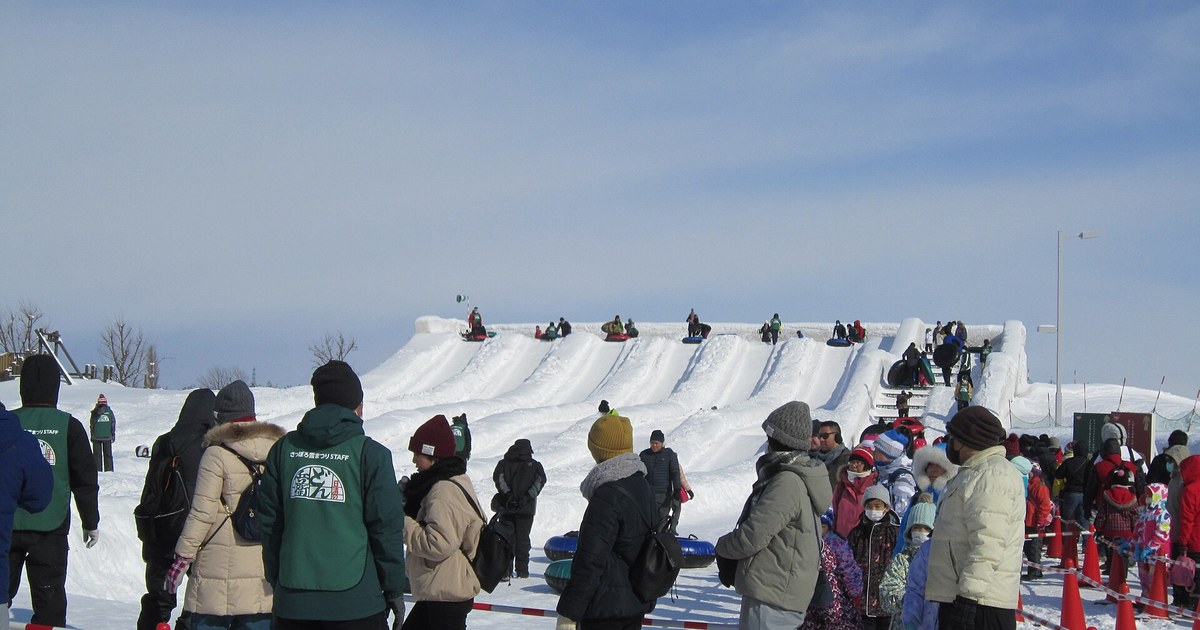
The snowy season sets in reliably in early December across the central valleys, and peak snowfall and festival activity run from mid-January to late February, when snow conditions stay most stable across mountain towns. February is the classic month: the Sapporo Snow Festival fills Odori Park with colossal snow and ice sculptures, and coastal sea ice reaches its maximum density along the northern coast. If your trip centers on one event, build it around the festival in early February and book early, since Sapporo fills up fast that week. For year-round places coverage, see our guide to the best places to visit in Hokkaido.
Sapporo and Otaru: the city winter
Start in Sapporo, the prefectural capital, where historic brick buildings stand against snow-covered parks and shopping streets, and ramen alleys offer exactly the right dinner after a frosty walk: rich miso ramen, followed by fresh seafood from icy northern seas in a cozy izakaya. A morning day trip west to Otaru adds the romantic canal, lined with historic stone warehouses and lit by floating glass lanterns in winter, plus music box museums and fresh sushi. Otaru also gives access to the winter coastline, where snow meets ocean waves, a rare sight covered in depth in our Hokkaido snow beach guide.
Winter onsen: Jozankei, Noboribetsu, and Sounkyo
An open-air rotenburo bath is the essential Hokkaido winter ritual: cold snowflakes melt on your shoulders while your body stays warm in mineral-rich thermal water. Jozankei Onsen sits in a dramatic river ravine near Sapporo, making it the easiest onsen night from the capital. Noboribetsu offers sulfurous steam vents in the valley nicknamed Jigokudani, Hell Valley, with a boardwalk through the steaming ground. Sounkyo Gorge pairs towering frozen waterfalls with hot spring lodges in a mountain gorge. Dedicating several evenings to baths, ideally with an overnight ryokan stay, changes the whole trip: winter days are for the cold, and winter evenings are for the water.
Skiing, snowshoeing, and ice fishing
Downhill skiing and snowboarding at Niseko and Rusutsu rank among the finest alpine experiences in the world, thanks to that light, dry powder. Beyond the resorts, groomed cross-country trails wind through silent silver birch forests, and guided snowshoe excursions open up national parks that are hard to reach on foot in deep snow. On frozen lakes in the Akan-Mashu area, local guides drill fishing holes through thick ice and fry the catch on the spot. For planning frameworks and things to do beyond winter, see our things to do in Hokkaido planning guide.
Drift ice and winter wildlife
From late January to March, massive Ryuhyo drift ice sheets float down from Siberia across the Sea of Okhotsk toward Abashiri and Monbetsu. Boarding a specialized icebreaker ship puts you among crushing pack ice, and guided drift ice walking excursions in dry suits let adventurous travelers walk among the floes along the shore. Wildlife watchers should look for Steller sea eagles resting on frozen plates, and add two more winter wildlife stops if time allows: the Asahiyama Zoo penguin walk in Asahikawa, and red-crowned cranes at Tsurui in the Kushiro marshland, both at their best in deep winter.
A workable 7-day Hokkaido winter itinerary
Winter weather can cause rail delays, so this route keeps daily travel realistic. Days 1 to 2: arrive at New Chitose Airport, transfer into Sapporo, explore Odori Park and the TV Tower, and eat in the ramen alleys. Day 3: day trip to Otaru for the canal, music box museums, and sushi. Day 4: travel to Jozankei or Noboribetsu for an overnight ryokan stay and evening onsen soaking in deep snow. Days 5 to 6: take a limited express train to Abashiri, ride the icebreaker cruise, and visit the Prison Museum. Day 7: return to Sapporo for souvenir shopping before your flight home. If you have more days, add the Asahikawa and Tsurui wildlife stops or a second ski day at Niseko rather than rushing another city.
Getting around in winter: trains first, car second
For a first Hokkaido winter trip, trains are the safer default. The Sapporo, Otaru, Noboribetsu, and Abashiri stops in this route all sit on rail lines, and a train removes the hardest winter problem, which is driving on snow and ice in unfamiliar conditions. If you do rent a car, treat winter driving as a skill of its own: roads ice over, daylight ends early, and distances that look short on a map take much longer in a snowstorm. Keep the driving days few, stay on main roads, and never plan a long rural drive after dark. The 1071 planning guide covers the train-versus-car choice in more detail, and its verdict matches this one: no car needed for the western corridor, a car only earns its keep in the centre and the east.
Winter with children works well if the pace stays honest. The snow festival, the penguin walk, and onsen towns all suit families, but small children tire fast in sub-zero wind, and every outdoor stop needs a warm indoor break built in afterward. Pack extra gloves and socks for children, since wet hands end a day faster than cold air, and pick hotels near stations so a tired afternoon can end early without a long transfer. Families who keep days short and onsen evenings long tend to enjoy Hokkaido winter more than families who try to match an adult-paced itinerary stop for stop.
What to pack for a Hokkaido winter
Sub-zero temperatures demand real winter gear, not a warm jacket over city clothes. Pack insulated, waterproof boots with grip for icy streets and snow-covered trails, thermal base layers, a windproof outer layer, gloves that let you operate a camera, and a hat that covers your ears. Hand warmers help on long outdoor days, especially at the snow festival and on drift ice cruises, where wind off the sea cuts through layers. For camera protection in snow and cold, see our travel photography gear guide. Keep batteries warm in an inside pocket, since cold drains them fast, and bring a dry bag for the transition between snowy outdoors and steamy onsen towns.
Frequently asked questions
What is the best month to visit Hokkaido in winter? February, for the Sapporo Snow Festival and peak drift ice, with mid-January to late February the prime window overall.
Is Hokkaido good for a family winter trip? Yes, with planning: the snow festival, penguin walk, and onsen towns suit families well, but build in warm indoor breaks and keep daily travel short, since winter days are short and cold for small children.
Can you see drift ice without a cruise? You can see ice from shore at Abashiri and Monbetsu on good days, but the icebreaker cruise gets you among the floes, and guided dry-suit walking is the closest experience of all.
Do trains run normally in a Hokkaido winter? Usually, but heavy snow can delay limited express trains, so keep buffer time on travel days and check service updates each morning.