Quick answer: The best things to do in Hokkaido are seasonal: lavender fields and hiking in summer, Japan’s earliest autumn colour in September, volcanic onsen towns all year, and serious food in every city. Plan on at least 5 days for the western corridor (Sapporo, Otaru, Noboribetsu, Hakodate) and 10 for the full island. Fly into New Chitose, ride trains between the cities, and rent a car only for the centre and the east. Below: the experiences worth building around, two itineraries that actually work, and the month-by-month truth about timing.
Hokkaido at a Glance
| Question | Answer |
|---|---|
| Fly into | New Chitose (CTS), about 40 minutes by rapid train to Sapporo |
| How long | 5 days minimum for the west; 10 days for the grand route; the east deserves its own trip |
| Best time | Late June to August for flowers and hiking; September for colour and calm; December to March for snow |
| Getting around | Trains between cities; a rental car for Furano, Biei and the eastern parks |
| Rail pass | JR Hokkaido Rail Pass (5, 7 or 10 days) if you are city-hopping without a car |
| Top experience | A sightseeing boat under Shiretoko’s cliffs, watching for bears on the shore |
This guide covers the things to do in hokkaido and how to plan them properly. For the island laid out region by region, see our guide to the best places to visit in Hokkaido; the two pages are designed to work together.
The Experiences Worth Building a Trip Around
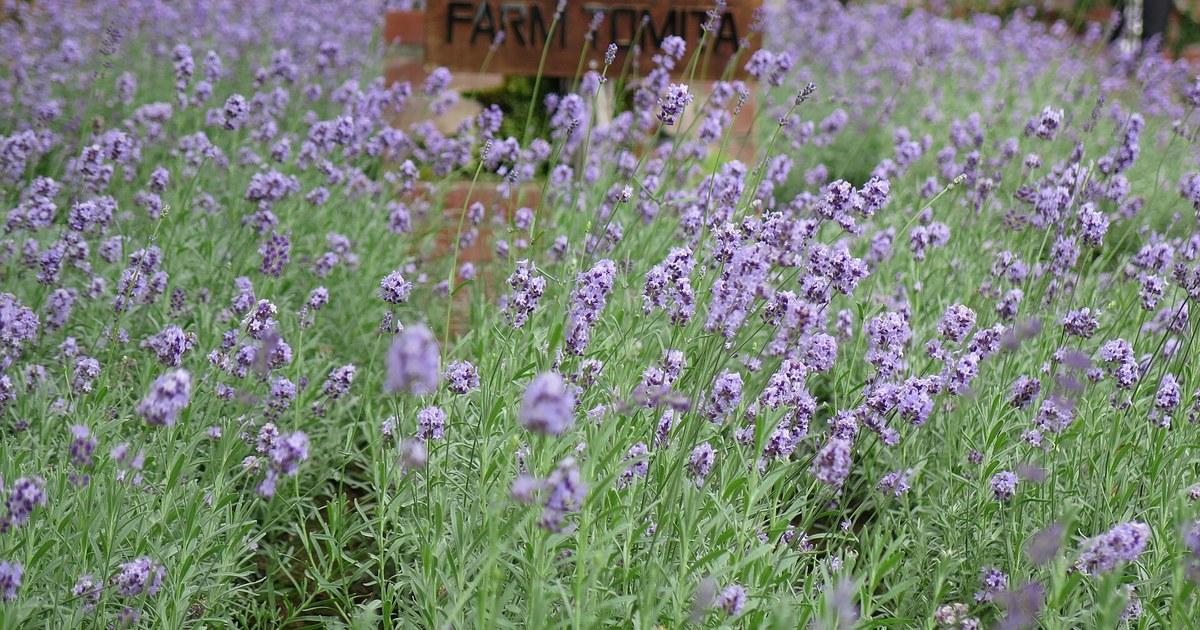
Chase the flower season in Furano and Biei. For a few weeks each summer the centre of the island turns into striped fields of lavender, poppies and melons. Farm Tomita’s lavender peaks around mid-July; Biei’s patchwork hills and the Blue Pond reward an early start before the tour buses. This is the single most time-sensitive thing on the island: a week late and the peak is gone.
Take a boat under the Shiretoko cliffs. On the far northeast peninsula, sightseeing boats run below waterfalls and roadless cliffs where brown bears forage on the shore. The season is short, roughly late April or May to October, and the peninsula has almost no train service; it is the strongest argument for a car or a tour on the whole island.
Soak in a volcanic onsen town. Noboribetsu, about 1 hour 15 minutes from Sapporo, is the classic: a steaming Hell Valley you can walk through, then a dozen mineral baths to choose from. Jozankei, in the hills behind Sapporo, is the easy version; Lake Toya pairs lakeside baths with volcano views. An onsen night is also the natural rest day in any itinerary.
Eat through the cities. Hokkaido’s food is a reason to come on its own: miso ramen and soup curry in Sapporo, a seafood rice bowl at Hakodate’s morning market, sushi on Otaru’s sushi street, and soft-serve ice cream made with Hokkaido milk everywhere. Plan one market breakfast and one ramen dinner per city and the trip is half built.
Learn the Ainu story. Hokkaido’s indigenous culture is not a footnote. Upopoy, the national Ainu museum and park at Shiraoi (about an hour from Sapporo), and the Ainu Kotan village at Lake Akan give the island’s history a depth the scenery alone cannot. Most visitors skip both and miss the point of the place.
Hike the roof of Hokkaido. Daisetsuzan, the island’s largest national park, delivers alpine hiking without Honshu’s crowds, and it turns red in mid-September, the earliest autumn colour in Japan. Asahidake, its highest peak, has a ropeway that puts casual walkers above the treeline in good weather.
Two Itineraries That Actually Work
A list of experiences is only half the job; a hokkaido itinerary has to sequence them around real train times and real distances. These two do, with no backtracking.
The 5-day western corridor (trains only, any season). Day 1: arrive at New Chitose, settle into Sapporo, ramen dinner. Day 2: Sapporo properly, markets, beer museum, soup curry. Day 3: Otaru as a day trip (30 to 40 minutes by train): canal, glass shops, sushi lunch. Day 4: train to Noboribetsu for Hell Valley and an onsen night. Day 5: continue to Hakodate (about 3 hours), morning market if you arrive early, Motomachi slopes and the night view from Mount Hakodate; fly or ride out the next morning. This route never backtracks and needs no car.
The 10-day grand route. Days 1 to 3: Sapporo with the Otaru day trip. Days 4 to 5: Asahikawa (zoo, shoyu ramen) then Furano and Biei by local train or rental car; in July this is lavender time, in September the start of colour. Day 6: back south to Noboribetsu for the onsen night. Day 7: Lake Toya and Mount Usu. Days 8 to 9: Hakodate, with Onuma Park if the weather is kind. Day 10: out of Hakodate or back to Sapporo. The honest note: the east (Lake Akan, the Kushiro marshes, Shiretoko) does not fit honestly into 10 days alongside the west. Give it its own trip, or swap the centre out for it.
Best Time to Visit Hokkaido, Month by Month
There is no single best time to visit hokkaido; there are four different islands wearing the same name. December to March is the snow island: powder, festivals, drift ice (covered in full in our winter guide, linked below). April is the weakest month, muddy and between seasons, except for late cherry blossom in the south around Matsumae. May is fresh green and quiet. June brings early flowers and long days without Honshu’s rainy season. July is peak: lavender, hiking, festivals, and peak prices to match, so book cars and beds early. August stays warm and busy, with flowers past their best by late month. September is the connoisseur’s pick: autumn colour starts mid-month in Daisetsuzan, the crowds thin, and the food harvest lands. October finishes the colour in the lowlands. November is cold, dark and cheap, a shoulder to skip unless the snow comes early.
How to Get to Hokkaido
From Tokyo you have three real options. Fly: about 1 hour 30 minutes to New Chitose, with frequent budget airlines; for most trips this is fastest and often cheapest. Shinkansen: the Hayabusa runs Tokyo to Shin-Hakodate-Hokuto in about 4 hours, then a limited express takes about 3 hours 40 minutes more to Sapporo; the train wins if Hakodate is your first stop or you hold a rail pass and enjoy the ride. Ferry: overnight boats (for example Oarai to Tomakomai, around 18 hours) are the slow, cheap, quietly fun option, and they take cars.
Getting Around: Train or Car?
Getting around hokkaido splits cleanly in two. The cities (Sapporo, Otaru, Asahikawa, Noboribetsu, Hakodate) are chained together by limited express trains, and a JR Hokkaido Rail Pass pays off quickly on that circuit. The countryside is different: Furano and Biei are manageable by local train plus buses, but Shiretoko, Lake Akan and the eastern parks have sparse buses and no useful trains, so a rental car (or a tour) stops being a luxury there. Verdict: no car for the 5-day west; add a car for the centre in the 10-day route; do not attempt the east without one.
A Word on Winter
Winter is Hokkaido’s most famous season (powder snow, the Sapporo Snow Festival, drift ice off Abashiri, red-crowned cranes in the Kushiro marshes) and it is big enough to have its own guide. If your trip falls between December and March, plan from our dedicated guide to Hokkaido in the winter, which covers the festivals, the ski areas, the ice and the winter driving rules in full.
FAQ
How many days do you need in Hokkaido?
Five days is the honest minimum for the western corridor by train. Ten days runs the grand route through the centre to Hakodate. The east is a separate trip for most people; trying to squeeze it in is the classic Hokkaido mistake.
Can you do Hokkaido without a car?
Yes for the west and the city circuit: the 5-day itinerary above is entirely trains. The centre is doable with patience. The east, Shiretoko and Akan especially, is genuinely hard without a car or a booked tour.
What is the one thing not to miss?
It depends on the month by design: the Furano lavender in July, a Shiretoko boat in summer, Daisetsuzan’s colour in September, an onsen night in any month at all. If forced to pick one year-round answer: Noboribetsu’s Hell Valley followed by a soak.
Is Hokkaido worth a separate trip from Tokyo and Kyoto?
Yes, and it is better that way. It is Japan’s second-largest island, about the size of Austria, with its own food, history and seasons. Bolting two rushed days onto a Honshu trip wastes the flight and the island.
What is the best base for a first trip?
Sapporo, without contest: the airport train ends there, day trips radiate from it (Otaru, Jozankei, Noboribetsu at a stretch), and it has the island’s best food scene for the evenings.