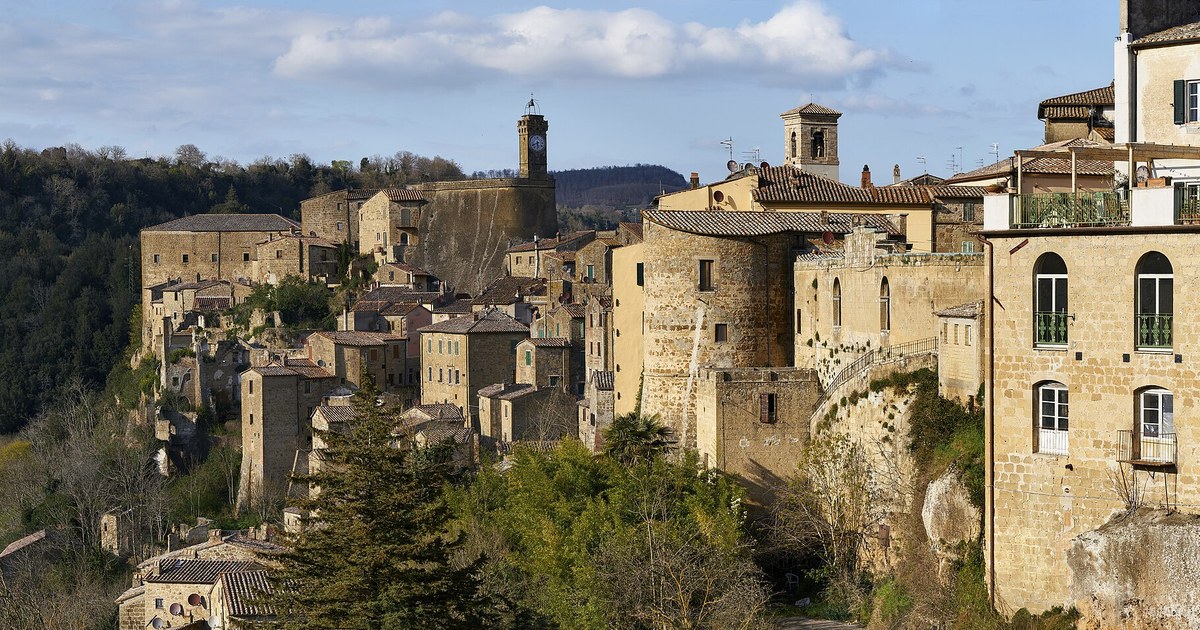
Places to visit in Italy range from world-famous cities to small towns, islands, and mountain valleys, and the hardest part of planning a first trip is choosing between them. This guide is a places guide, not an activities guide and not a season guide: it tells you where to go, what each place is known for in one line, and which detailed guide covers it next. The best places to visit in Italy are not all cities, and the best trip usually mixes a city, a smaller town, and a coast or countryside stay.
The great cities, in one line each
Rome is the ancient capital, with ruins, churches, and museums that need days, not hours, and the full Rome guide covers it in detail, so this guide does not repeat it. Venice is a lagoon city of canals, bridges, and narrow lanes, and its areas and hotels are covered in their own guides, so this guide only places it on the map for you. Florence is the Renaissance city, with art, architecture, and a compact centre that suits walking, and a full Florence guide is banked as a future post. Milan is the modern, fashion-led city in the north, with a cathedral, galleries, and a very different feel from the historic south. Naples is the lively southern city near the coast, with pizza, street life, and a gateway to the islands and the Amalfi region. Bologna is the food city of the north, with arcaded streets and a university atmosphere that suits a slower stay.
Each of these cities deserves its own trip on a return visit, and none of them should be squeezed into a single day on a first trip. Pick one or two great cities for a first visit, add a smaller town or a coast stay, and leave the rest for next time. That is a better trip than five cities in seven days, because Italy’s cities reward walking and lingering, not rushing between stations.
Beautiful places beyond the cities
Beautiful places in Italy beyond the cities include the Amalfi Coast, with cliff towns above the sea, and the Cinque Terre, with five small coastal villages linked by paths and trains. Tuscany’s countryside, with rolling hills, vineyards, and small hill towns, suits a slower stay and a car, while the Lake District in the north, including Lake Como, suits lakeside walks and boat trips. Sicily, the large island in the south, mixes ancient sites, beaches, and its own food traditions, and it needs its own trip rather than a day added to a mainland route. Sardinia, the other large island, offers beaches and a quieter, wilder interior, and it also suits its own trip.
Smaller towns are where many visitors find their favourite Italy. Matera, in the south, is famous for its ancient cave dwellings, and its own post covers it in detail. Hill towns in Umbria and Tuscany, coastal towns in Puglia, and mountain villages in the Dolomites all offer the same pattern: a walkable centre, local food, and a slower pace than the great cities. Italy towns to visit are best chosen by region, not by a national ranking, because a town that suits a Tuscany route may not suit a southern route, and vice versa.
Northern Italy and southern Italy
Best places to visit in northern Italy include Milan, Venice, Florence, Bologna, the lakes, and the Dolomites, with a cooler climate, alpine scenery, and a strong food and design culture. Best places to visit in southern Italy include Naples, the Amalfi Coast, Puglia, Matera, and Sicily, with a warmer climate, coastal scenery, and a more relaxed pace. The north suits a first trip that mixes cities and mountains, while the south suits a first trip that mixes cities and coast, and neither is better than the other: they are different trips, and choosing between them is the first planning decision.
A north-to-south route is possible on a longer trip, usually by train, and the transport post covers trains in detail, so this guide does not repeat it. On a first trip of ten days, a north route or a south route, not both, is the honest recommendation. On a trip of two weeks or more, a route from the north to Rome and then south becomes realistic, with a night or two in each stop rather than a new city every day.
Places for a first visit
Best places to visit in Italy for the first time are the ones that are easy to reach, easy to walk, and forgiving for a first-time visitor: Rome, Florence, and Venice are the classic trio for a reason, because they are well connected by train, walkable in their centres, and full of sights that reward even a short stay. Adding one smaller place, such as a Tuscan hill town, a Cinque Terre village, or a coastal town, gives the trip a contrast that the cities alone do not offer. A first-time Italy post is banked as a future post, so this section is only a starting point, not the full first-time guide.
Italy destinations for a second or third visit are the ones this guide only names: Puglia’s white towns, the Dolomites’ mountain valleys, Sardinia’s beaches, and Sicily’s ancient sites. Each of those needs its own seed run and its own post before it can be covered properly, and none of them is given a full section here, because a full section would compete with the future post that owns it. This guide’s job is to place them on the map and point you onward, not to replace their own guides.
Planning pointers: what to do, when to go, cost, and transport
Once you have chosen places, the other guides take over. What to do in each place is covered by the Italy things-to-do post, which covers experiences rather than destinations. When to go is covered by the best time to visit Italy post, which covers seasons, weather by month, and crowds. What it costs is covered by the Italy cost post, and how to get around is covered by the Italy transport post. This guide deliberately does not repeat those guides: it covers where to go, and it points you to them for what to do, when, what it costs, and how to move.
Frequently asked questions
What are the must-see places in Italy?
Rome, Florence, and Venice are the classic must-see trio, with the Amalfi Coast and Tuscany as the most popular additions. A must-see list is personal, though: a food lover’s must-see list looks different from a hiker’s, and this guide’s city and region lines help you build your own.
Where should I go in Italy for the first time?
Rome, Florence, and Venice, plus one smaller place such as a Tuscan hill town or a coastal village, is the safest first trip. It is well connected by train, walkable, and forgiving, and it leaves the south, the islands, and the mountains for a return visit.
Is northern or southern Italy better?
Neither is better: the north offers cities, lakes, and mountains, while the south offers cities, coast, and a more relaxed pace. Choose by trip length and by whether you prefer mountains or coast, and leave the other half for next time.
How many places can I visit in ten days?
Three or four bases in ten days is realistic: two cities, one smaller town or coast stay, and a slower day with no move. More bases than that means most days are spent travelling rather than visiting.
Do I need to visit every famous place?
No. Italy rewards depth over breadth, and a trip that visits fewer places well is better than a trip that ticks off famous names in a rush. Use this guide to choose, then use the detailed guides for the places you actually pick.
Final thoughts
Choosing where to go in Italy is best done as a mix: one or two great cities, one smaller town, and one coast or countryside stay. Start with Rome, Florence, and Venice if this is a first trip, add a region that suits your interests, and let the things-to-do, best-time, cost, and transport guides handle the rest. That balance gives you Italy’s famous places without turning the trip into a race between them.