Honolulu is where most Hawaii trips begin, and it is also a destination in its own right. As the state capital and the largest city in Hawaii, it packs beaches, history, museums, hikes, and some of the best food in the islands into one walkable city on the south shore of Oahu. This guide covers the top Honolulu attractions for a first trip, from Diamond Head and Pearl Harbor to Waikiki Beach, Iolani Palace, and the snorkeling at Hanauma Bay, plus how to get around and where to base yourself.
Diamond Head: the crater above Waikiki
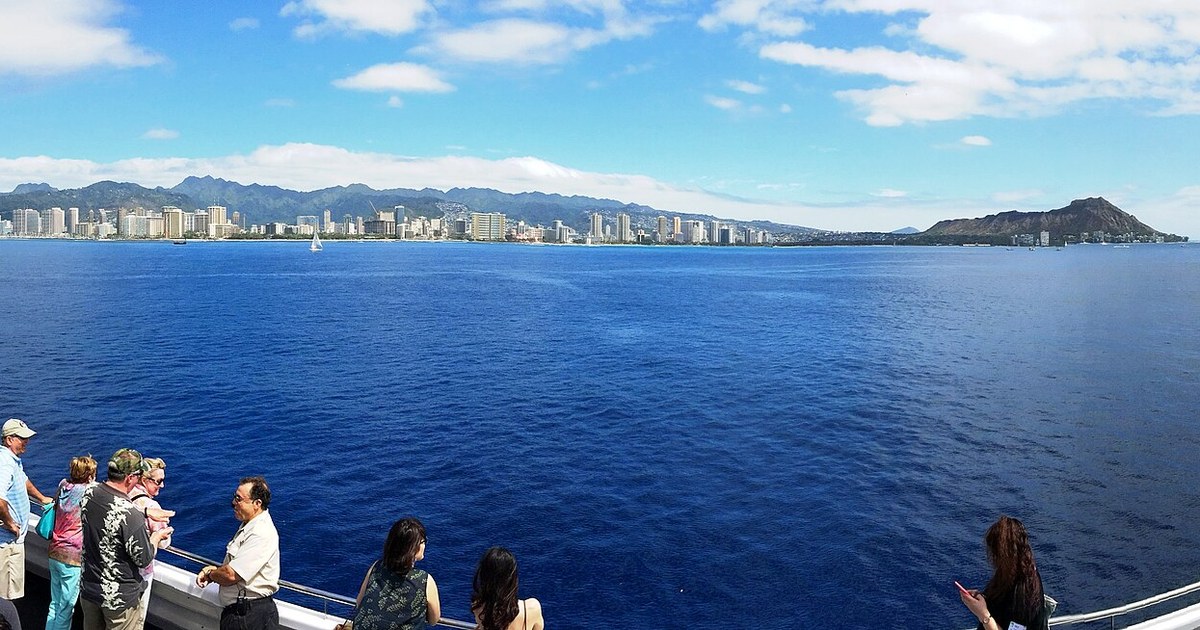
Diamond Head, known in Hawaiian as Leahi, is the volcanic crater that rises above Waikiki and defines the Honolulu skyline. The hike to the summit is moderate, with a trail, stairs, and a tunnel near the top, and the reward is a wide view over Waikiki, the south shore, and the ocean. Go early in the morning to beat the heat and the crowds, bring water, and wear shoes you can walk uphill in. The crater is a state monument, so check current opening hours and reservation requirements before you go, as both have changed in recent years.
Pearl Harbor: the memorial and the museums
Pearl Harbor is the most visited historic site in Honolulu, and it deserves a full morning. The USS Arizona Memorial program is free, but timed entry reservations are required and should be booked in advance, as same day availability is limited. The memorial itself is a quiet, moving place, reached by boat from the visitor center. The wider Pearl Harbor site also includes the Battleship Missouri, the USS Bowfin submarine museum, and an aviation museum, each with separate admission. If you only have time for one, make it the Arizona Memorial, and arrive early.
Waikiki Beach and Ala Moana
Waikiki Beach is the beach most people picture when they think of Hawaii: a long stretch of sand backed by hotels, restaurants, and shops, with gentle waves that suit first time surfers. It is busy, especially at sunset, but it is also the easiest beach in Honolulu to enjoy without a car. For a calmer alternative, head west to Ala Moana Beach Park, a local favorite with a protected lagoon, picnic areas, and room to spread out. Nearby Ala Moana Center is one of the largest open air shopping centers in the United States, useful for anything you forgot to pack.
Iolani Palace and downtown history
Iolani Palace, in downtown Honolulu, is the only royal palace in the United States, and it is the best place to understand Hawaiian history before the islands became a state. Guided tours walk through the restored rooms and explain the monarchy, the overthrow, and the palace restoration. Check current tour times before you go, as they vary by day. Nearby, the Bishop Museum holds the largest collection of Hawaiian and Pacific artifacts in the world, and it is worth adding if you want the deeper history behind the palace, the islands, and the culture you will see everywhere in Honolulu.
Hanauma Bay: snorkeling in a nature preserve
Hanauma Bay, on the southeast shore past Diamond Head, is a sheltered bay inside a volcanic crater, and it is the best easy snorkeling spot near Honolulu. The water is calm, the reef fish are close to shore, and the bay is managed as a nature preserve, so entry is limited and reservations are required. Book ahead, arrive at your reserved time, and check the current closure day before you go, as the bay closes one day a week for maintenance. Bring reef safe sunscreen, and do not stand on the coral.
Manoa Falls and the rainforest hikes
For a break from the beach, drive inland to the Manoa Valley, where the Manoa Falls trail leads through rainforest to a waterfall. The trail is short and popular, but it can be muddy, especially after rain, so wear shoes you do not mind getting dirty and carry water. The valley is cooler and wetter than Waikiki, which is why it stays so green. If you want a longer hike, the trails above Manoa connect into the wider Honolulu watershed trail system, but check trail conditions and closures before setting out, as rain can close sections.
Chinatown, Kakaako, and Honolulu food
Honolulu food is one of the best reasons to stay in the city rather than just passing through. Start in Chinatown, where historic buildings hold markets, noodle shops, and bakeries, and the area comes alive in the evening. Then walk through Kakaako, the warehouse district now known for its large murals and street art, farmers markets, and casual eateries. Across the city, try poke, shave ice, and plate lunch, three Honolulu staples that are cheap, filling, and easy to find. Skip the hotel restaurant for at least one meal and eat where locals queue.
Getting around Honolulu and where to stay
Waikiki and downtown Honolulu are walkable, and the public bus system, called TheBus, covers the city and the main sights, including Pearl Harbor, Ala Moana, and Hanauma Bay. A rental car is worth it for day trips to the North Shore or to Kailua on the windward side, but you do not need one for a first few days in Honolulu itself, and parking in Waikiki is limited. For a first trip, base yourself in Waikiki for the beaches, restaurants, and bus connections, and add a day trip to Pearl Harbor and one to Hanauma Bay or Manoa Falls.
Disclosure: This post contains affiliate links. If you book through them, we may earn a commission at no extra cost to you.
Compare hotels in Honolulu on Booking.com for your dates.
Honolulu is the gateway to the rest of Hawaii. See our guide to the Hawaii islands for how Oahu compares with Maui, Big Island, and Kauai, our guide to Hawaii Volcanoes National Park for the Big Island volcanoes, and our guides to things to do on Big Island and things to do in Kauai for the next islands on most itineraries.