Maui is the island most people choose for a honeymoon or a family holiday, and it is easy to see why. It has long sandy beaches, resort towns, a slow coastal drive past waterfalls, a dormant volcano for sunrise, and snorkeling at a volcanic crater offshore. This guide covers the top things to do in Maui for a first trip, from the Road to Hana and Haleakala to the beaches, snorkeling spots, Iao Valley, and winter whale watching, plus how to fit them into a week without rushing.
Road to Hana: the slow coastal drive
The Road to Hana is a slow coastal drive along the northeast shore, past waterfalls, small towns, and rainforest, ending in the remote town of Hana. It is a full day trip, not a quick drive, because the road is narrow and winding with many single lane bridges, and the stops are the point. Highlights include Wainapanapa State Park, with its black sand beach, and the waterfalls along the way. Start early, drive carefully, do not stop in the middle of the road for photos, and plan fuel and food before you leave, since services thin out past the halfway point.
Haleakala: sunrise, sunset, and the summit
Haleakala is the dormant volcano that forms the eastern half of Maui, and its summit is the island’s most famous sunrise spot. Sunrise visits require advance reservations, which should be booked as early as possible, since they sell out. Sunset is a quieter alternative, with similar views and fewer people. The summit is cold, even in summer, so bring a warm layer, and give yourself time to adjust to the altitude. On a clear day the view runs from the crater floor to the ocean, and on a cloudy day you may find yourself above the clouds, which is part of the experience.
Beaches and snorkeling: Kaanapali, Wailea, Molokini, Honolua
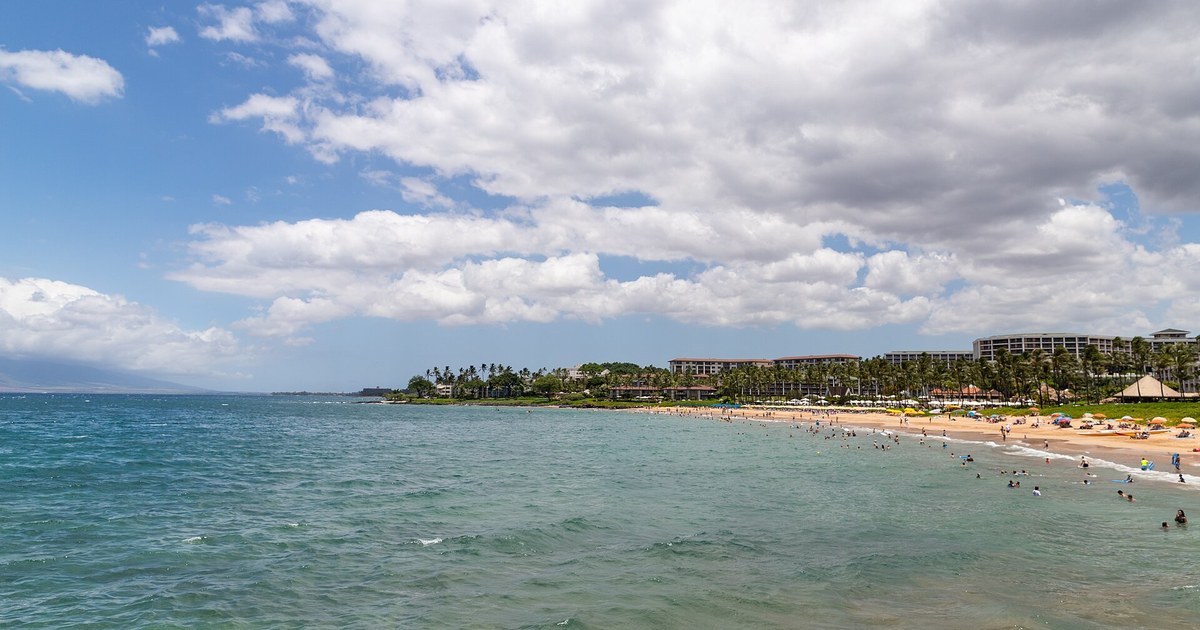
Maui beaches split between resort beaches and wilder snorkeling spots. Kaanapali and Wailea, on the west and southwest coasts, are the main resort beaches, with wide sand, calm water in summer, and restaurants nearby. For snorkeling, Molokini, a crescent shaped volcanic crater offshore, is reached by boat and offers clear water and reef fish. Honolua Bay, on the northwest coast, is a marine preserve with good snorkeling when surf is down. Winter surf can be dangerous on the north and west shores, so check conditions on arrival and do not enter the water if surf is up.
Iao Valley and Upcountry Maui
Iao Valley State Monument, in central Maui, holds the Iao Needle, a tall rock pinnacle rising from the valley floor, surrounded by rainforest and streams. It is a short, easy stop that shows a greener side of Maui than the beaches. Upcountry, on the slopes of Haleakala, is cooler and rural, with farms, the cowboy town of Makawao, and views back down to the coast. Upcountry makes a good half day from the resort areas, especially if you want a break from the beach and a look at how local Maui lives outside the resorts.
Whale watching in winter
From roughly December to April, humpback whales migrate past Maui, and whale watching is one of the best seasonal activities on the island. Boat trips leave from Lahaina harbor, Maalaea harbor, and Kaanapali, and whales are often visible from shore as well, especially from west Maui viewpoints. Book boat trips in advance in peak whale season, bring sun protection and a layer for the wind on the water, and choose a reputable operator that follows whale watching guidelines and keeps a respectful distance from the animals.
Note: Lahaina town is still rebuilding after the 2023 wildfires. Check current visitor information before planning a stop there, as access and services continue to change.
Disclosure: This post contains affiliate links. If you book through them, we may earn a commission at no extra cost to you.
Compare hotels on Maui on Booking.com for your dates.
Maui is one island in a wider Hawaii trip. See our guide to the Hawaii islands for how Maui compares with Oahu, Big Island, and Kauai, our guide to Hawaii Volcanoes National Park for Big Island planning, and our guides to things to do on Big Island and things to do in Kauai for the next islands on most itineraries.