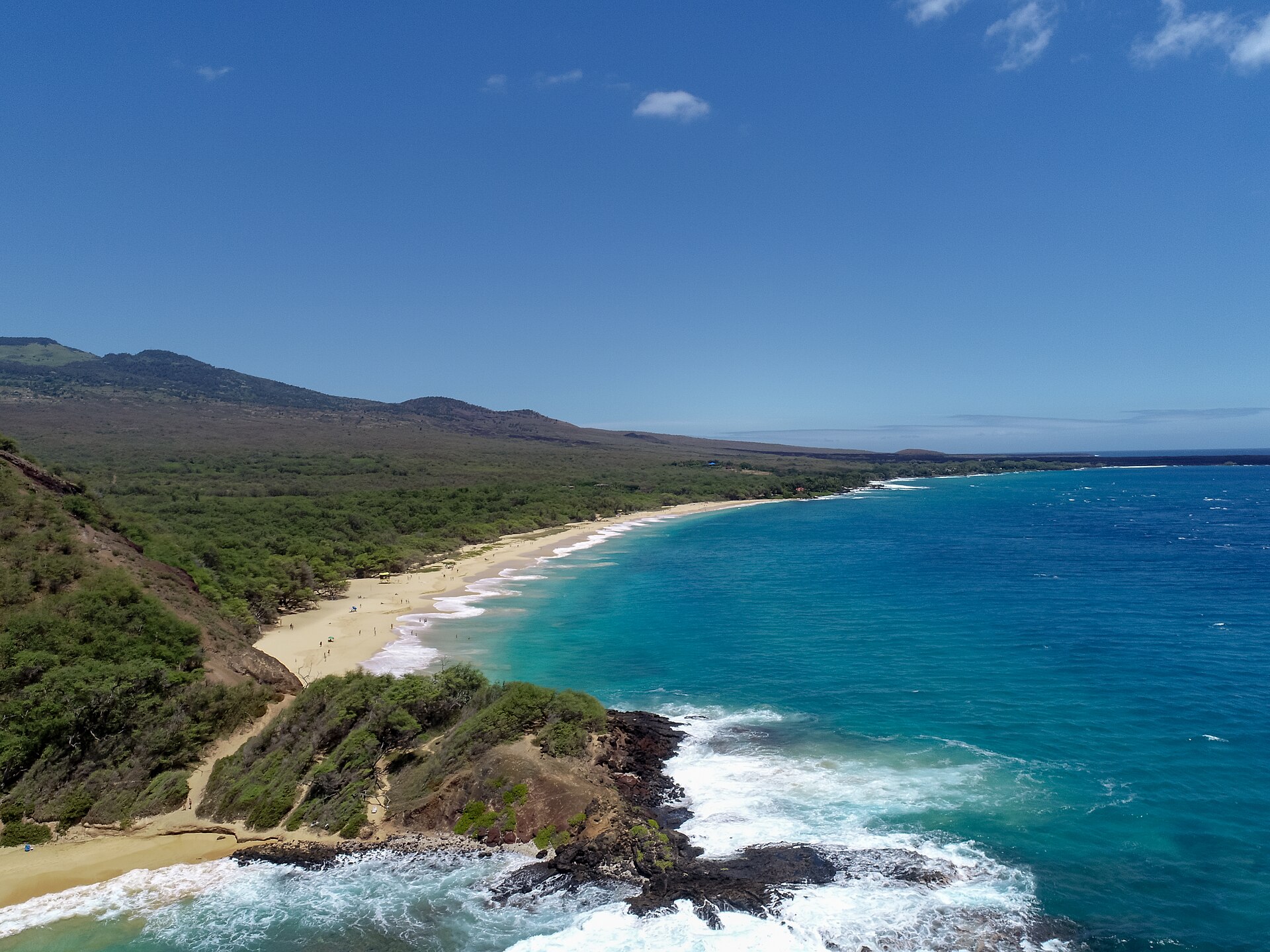
Planning a trip to Hawaii takes a few big decisions before the small ones. Which islands, how many days, when to go, and where to stay matter more than which beach to visit first. Get those right and the rest of the trip falls into place. This guide covers the decisions in order, so you can plan a Hawaii trip that fits your time and budget.
How many days do you need?
A week works well for one or two islands. Ten days to two weeks suits three islands, or two islands at a slower pace. Each island move costs most of a day once flights, airport transfers, and check in are counted, so two islands in a week is comfortable and three islands in a week means most days are spent travelling. First time visitors often pair Oahu with Maui, or Maui with Big Island. If you have only a few days, pick one island and explore it properly rather than rushing between two. See our Hawaii islands overview to compare the islands before you choose.
When to go and when to book
Hawaii is warm year round, with the driest weather from April to October and whale season from December to April. Winter and summer are the busiest seasons, so flights and hotels for those months should be booked early. September to November is the quietest season, with fewer visitors and lower hotel rates. Shoulder months, April to May and September to November, suit visitors who want good weather without peak crowds. Book interisland flights and rental cars early too, especially on the smaller islands where availability is limited.
Flights and getting between islands
Most visitors fly into Honolulu on Oahu, with direct flights from the US mainland, Japan, Australia, and other Pacific destinations. Interisland flights connect Oahu, Maui, Big Island, and Kauai, with several flights a day on the main routes. Ferries run between Maui and Lanai, and between some other island pairs, but there is no ferry network covering all six islands, so most island hopping is done by air. Allow time between flights for transfers, and pack light if you plan to hop islands, as interisland baggage rules vary.
Where to stay
Pick one base per island and explore from there, rather than moving hotels every night. On Oahu, Waikiki suits first time visitors who want beaches and restaurants on foot, while the North Shore suits a quieter stay. On Maui, Kaanapali and Wailea are the main resort areas. On Big Island, the west side near Kona suits beaches and resorts, while the east side near Hilo suits volcanoes and rainforest. On Kauai, the south shore near Poipu suits beaches, while the north shore near Princeville suits scenery. Book early for peak season, and check cancellation terms before you commit.
What to pack
Pack light, breathable clothes, swimwear, and sun protection. Reef-safe sunscreen is worth bringing, as some beaches and shops encourage it to protect coral. Bring layers for higher elevation: Haleakala on Maui and Mauna Kea on Big Island are much cooler than the coast, especially at sunrise. Hiking shoes suit the trails, including the crater hikes in Hawaii Volcanoes National Park and the coastal paths on Kauai. A reusable water bottle and a small day pack cover most day trips.
A sample 7-day plan
As an example, a week split between Oahu and Maui could look like this: three days on Oahu for Waikiki, Diamond Head, and the North Shore, then four days on Maui for beaches, the Road to Hana, and Haleakala. A ten day trip could add Big Island for volcanoes and black sand beaches, including Punaluu Black Sand Beach. These are structures, not fixed itineraries: swap days to match your interests, and leave unscheduled time for beaches and spontaneous stops, which are often the best parts of a Hawaii trip.
Keeping costs down
Hawaii can be expensive, but a few choices keep costs in check. Mix eating out with groceries and farmers markets, especially for breakfast and lunch. Choose beaches, hikes, and viewpoints, which are free or low cost, over paid attractions every day. Travel in shoulder season for lower hotel rates. Share a rental car rather than booking tours for every outing, and book activities with free cancellation so plans can change without losing money. For more island detail, see our guide to things to do on Big Island.
Disclosure: This post contains affiliate links. If you book through them, we may earn a commission at no extra cost to you.
Compare hotels in Hawaii on Booking.com for your island and dates.