Bishop Museum, in Honolulu, is the Hawaii State Museum of Natural and Cultural History, founded in 1889 by Charles Reed Bishop in memory of his wife, Princess Bernice Pauahi Bishop. It holds one of the largest collections of Hawaiian artifacts in the world, plus natural history exhibits on Hawaiian plants, animals, and volcanoes, all in historic buildings in Honolulu. This guide covers what to see at Bishop Museum, from Hawaiian Hall and the planetarium to the gardens, plus visiting tips for a first trip.
What Bishop Museum holds
Bishop Museum covers both natural history and cultural history. The natural history collections include Hawaiian plants, animals, insects, and geology, with a focus on volcanoes and how the islands formed. The cultural collections include Hawaiian artifacts, royal regalia, kapa, which is traditional bark cloth, feather work, and everyday objects from Hawaiian life. Together they tell the story of Hawaii from its volcanic origins to its kingdom era, which is why Bishop Museum is the best single museum for understanding Hawaii, not just Honolulu.
Hawaiian Hall, science, and the planetarium
Hawaiian Hall is the main exhibit, spread across three floors, with Hawaiian culture, history, and artifacts, including royal objects and a full size Hawaiian hale, or house, inside. The Science Adventure Center covers volcanoes, ocean, and Hawaii’s natural environment, with hands on exhibits that work well for families. The J. Watumull Planetarium offers shows on Hawaiian navigation by the stars, which connects to how Polynesians voyaged to Hawaii, plus general astronomy shows. Allow time for all three, since they cover different sides of Hawaii and each deserves more than a quick walk through.
Hawaiian Hall spans three floors, moving from Hawaiian gods and creation stories to daily life, crafts, and the kingdom era, with royal objects and artifacts throughout. Bishop Museum is also a research institution, with scientists studying Hawaiian natural history, from plants and insects to marine life, which is why the exhibits feel current, not just historical. If you are interested in a specific topic, from volcanoes to feather work, ask staff, since researchers often contribute to the displays and can point you to the most relevant exhibits.
Gardens and historic buildings
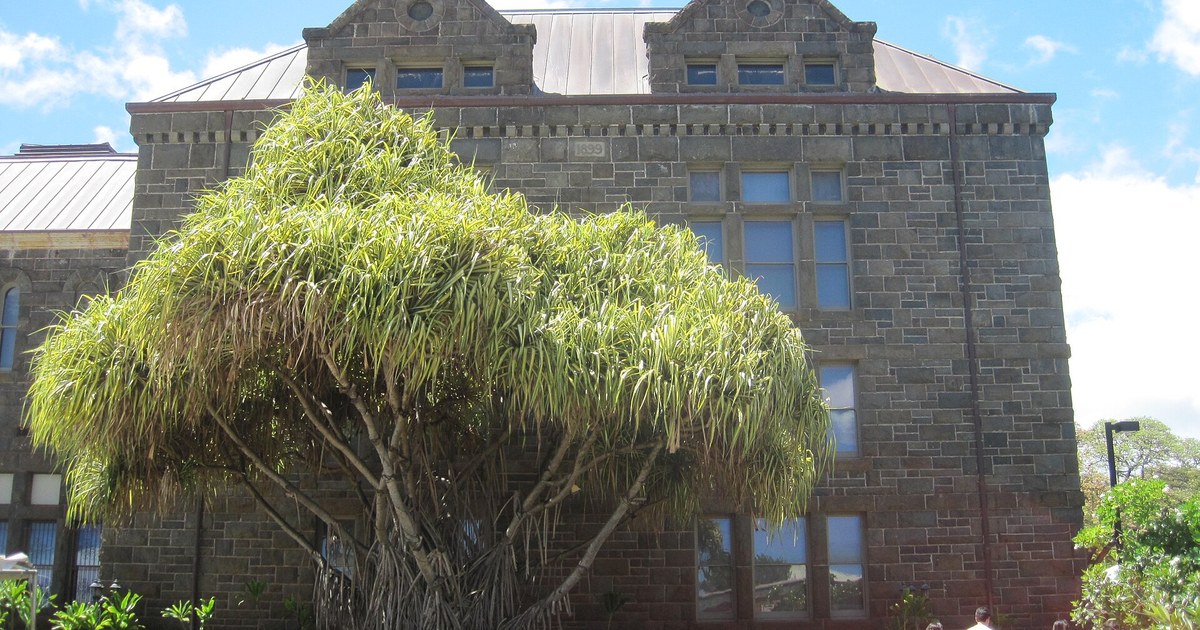
Outside, the Native Hawaiian Garden showcases plants native to Hawaii, including many that are rare or endangered, with labels explaining their traditional uses. The museum buildings themselves are historic, with the main building dating to 1889 and built in Richardsonian Romanesque style, with stone walls and arched windows. Walking the grounds is part of the visit, not just an extra, since the buildings and gardens show how Bishop Museum itself is a piece of Hawaiian history, not just a container for it.
Visiting tips
Bishop Museum is in Honolulu’s Kalihi neighborhood, a short drive from downtown Honolulu and Waikiki, with parking on site. Check current hours and admission before you go, since both can change, and allow half a day for a full visit, not just an hour, since Hawaiian Hall, the science center, and the planetarium each take time. If you are short on time, prioritize Hawaiian Hall, which is the heart of the museum, then the planetarium if a show fits your schedule. Bring water, wear comfortable shoes, and plan lunch nearby, since the museum is in a residential area, not a resort district.
Weekdays are usually quieter than weekends, so visit on a weekday if you can, especially for the planetarium, which can fill up. Combine Bishop Museum with Iolani Palace, also in Honolulu, for a full day of Hawaiian history, since the palace covers the kingdom era from the royal residence side, while Bishop covers it from the collections side. Together they give a fuller picture of Hawaii than either alone.
Disclosure: This post contains affiliate links. If you book through them, we may earn a commission at no extra cost to you.
Compare hotels in Honolulu on Booking.com for your dates.
Bishop Museum is one highlight of a Honolulu trip. See our guide to things to do in Honolulu for the city’s other sights, our guide to the Hawaii islands for how Oahu compares with Maui, Big Island, and Kauai, and our guides to things to do on Big Island and Hawaii Volcanoes National Park for the next islands on most itineraries.