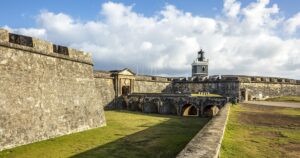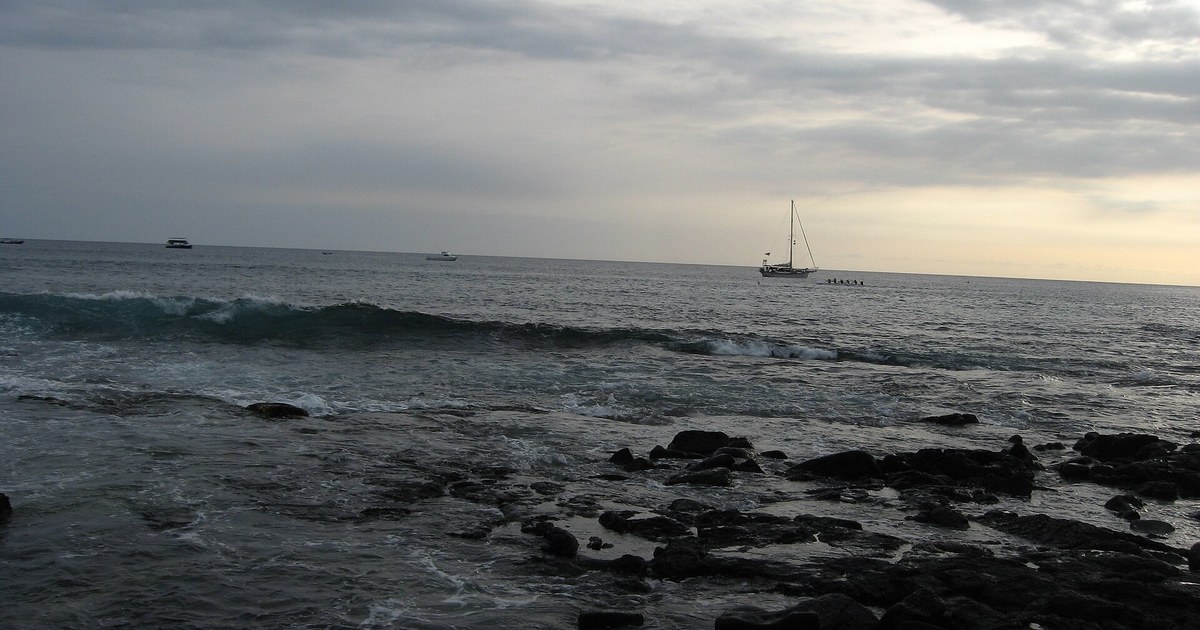
Kona, properly Kailua-Kona, is the main town on Big Island’s west coast, on the sunny, dry leeward side, where the ocean is calmer and the sunsets are over the water. It is the base for Kona coffee farms, some of Hawaii’s best snorkeling, manta ray night swims, and historic sites, all within a short drive of town. This guide covers the top things to do in Kona, from coffee and snorkeling to history and beaches, plus how to fit them into a Big Island trip.
Kona coffee: farm tours and tastings
Kona coffee is grown on the slopes of Hualalai, above Kailua-Kona, and it is one of the most famous coffees in the world. Many farms offer tours and tastings, where you can see how coffee is grown, harvested, and roasted, and taste the difference between roasts. Visiting a farm is the best way to understand Kona coffee, and buying direct from a farm supports the growers. Plan a farm visit in the morning, when it is cooler, and allow time to browse, since many farms also sell coffee, chocolate, and local crafts.
Snorkeling: Kealakekua Bay and Two Step
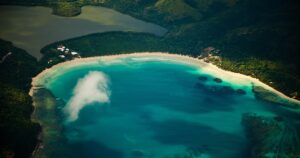
Kealakekua Bay, south of Kona, is a marine preserve with clear water, reef fish, and the Captain Cook monument on its shore. It is reached by boat, kayak, or a steep hike, and mornings are calmest for snorkeling. Closer to town, Two Step, at Honaunau Bay, is a popular shore snorkeling spot, named for the two natural rock steps into the water. Both spots are best in the morning, before wind picks up, and both require reef safe sunscreen and care not to stand on coral. Check conditions on arrival, since south shore surf can make snorkeling unsafe in winter.
Manta ray night snorkel
Kona is famous for manta ray night snorkeling, where boats take visitors out after dark, shine lights into the water to attract plankton, and manta rays come to feed, gliding close to snorkelers. It is one of the most memorable wildlife experiences in Hawaii, and it runs year round, though conditions vary. Book with a reputable operator that follows manta ray guidelines, keeps a respectful distance, and does not touch the animals. Bring a warm layer for the boat ride back, since nights on the water can be cool, even in summer.
History: Hulihee Palace and Pu’uhonua
Hulihee Palace, in Kailua-Kona, was a former royal residence and is now a museum, with period rooms, Hawaiian artifacts, and gardens overlooking the ocean. It is a short, easy stop in town, and it shows how Hawaiian royalty lived in the 1800s. South of Kona, Pu’uhonua o Honaunau National Historical Park preserves a place of refuge in ancient Hawaii, where those who broke sacred laws could seek safety. See our guide to Hawaii national parks for Pu’uhonua and the other park sites on Big Island and Maui.
Beaches and town: Ali’i Drive and Magic Sands
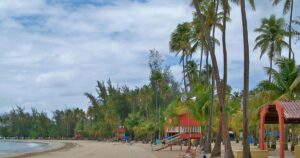
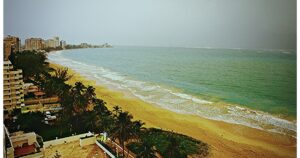
Kailua-Kona town centers on Ali’i Drive, the waterfront street with shops, restaurants, and ocean views, perfect for a sunset walk after a day of snorkeling or coffee tours. Magic Sands Beach, also called White Sands, in Kona, is a small sandy beach with good swimming when surf is down, though it can lose its sand in winter surf, which is how it got its name. Kona faces west, so sunsets here are over the ocean, and they are one of the main reasons to stay in town for dinner, rather than driving back to a resort elsewhere on the island.
Disclosure: This post contains affiliate links. If you book through them, we may earn a commission at no extra cost to you.
Compare hotels in Kona on Booking.com for your dates.
Kona is one stop on a wider Big Island trip. See our guide to things to do on Big Island for the island’s other sights, our guide to Hawaii national parks for Pu’uhonua and Volcanoes, and our guides to the Hawaii islands and Hawaii Volcanoes National Park for planning the rest of your trip.